GS-441524 Drug Interactions
Feline Infectious Peritonitis (FIP) is a fatal disease caused by a mutated form of feline coronavirus (FCoV). Historically, FIP has been nearly impossible to cure, with most treatments being supportive and palliative. However, the advent of antiviral therapies, especially GS-441524, has revolutionized FIP management. As a nucleoside analog, GS-441524 exhibits potent antiviral activity against coronaviruses, including FCoV. Its efficacy, safety profile, and ease of administration have made it a promising treatment option. Understanding the drug interactions of GS-441524 is critical for optimizing therapy, minimizing adverse effects, and ensuring the well-being of feline patients.
Overview of GS-441524
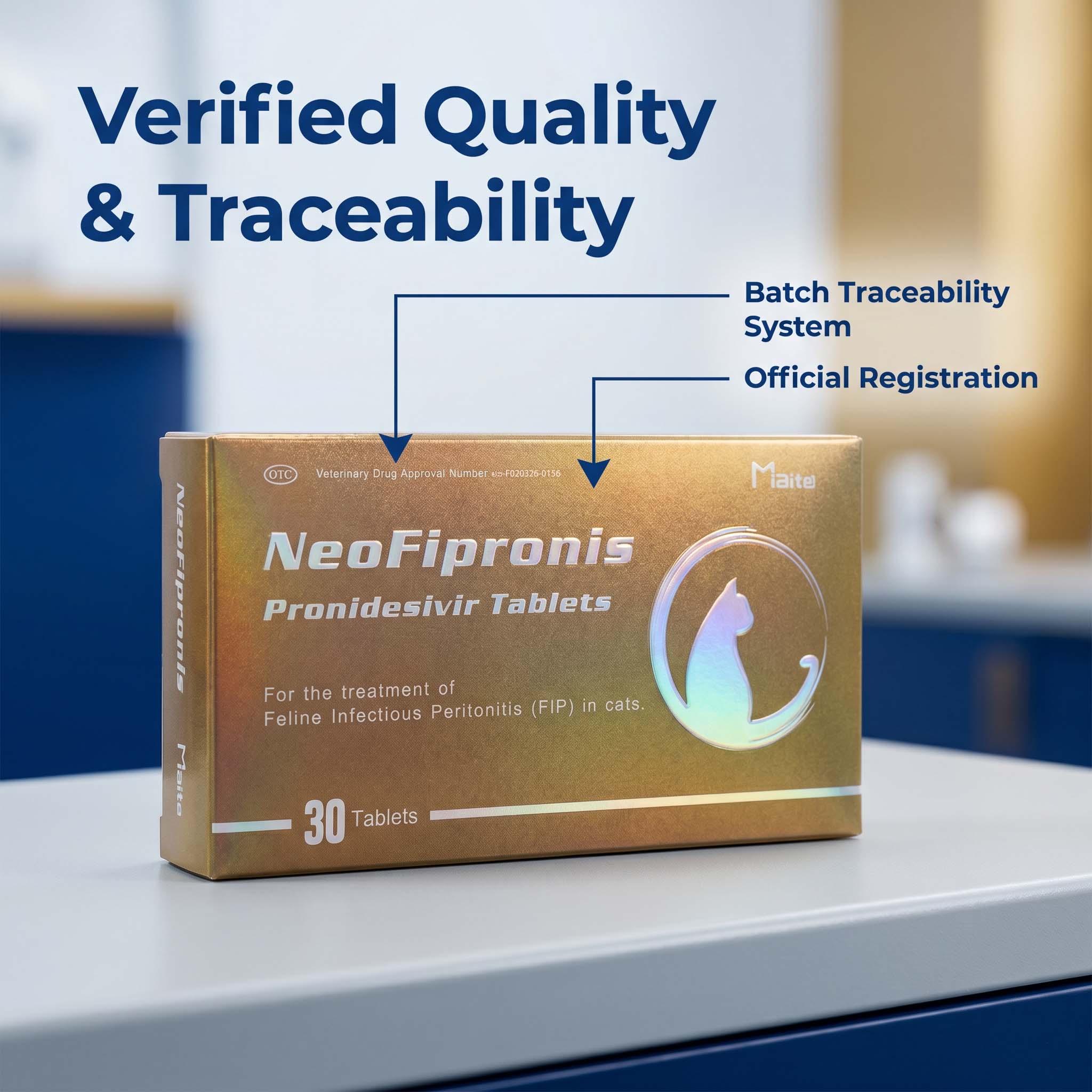
GS-441524 is an adenosine nucleoside analog that inhibits viral RNA polymerase, thereby impeding viral replication. Given its mechanism, it has shown remarkable ability to clear FIP infection in many cases. Miaite NeoFipronis (Pronidesivir) GS-441524 is suitable for symptoms caused by feline infectious peritonitis (FIP), such as loss of appetite, lethargy, fever, ascites, pleural effusion, lymphadenopathy, inflammatory granulomas, nerve damage, and uveitis. It has excellent therapeutic effects on FIP. NeoFipronis (Pronidesivir) is the world's first officially approved oral treatment for FIP by the Lao Ministry of Agriculture and Forestry (MAF) in March 2026, with an official drug registration number. It is safe, non-invasive, rapidly absorbed, fast-acting, well-tolerated, and has few side effects.
Pharmacokinetics of GS-441524
Understanding the pharmacokinetics of GS-441524 is essential for anticipating potential drug interactions. The drug is absorbed quickly when administered orally, reaching peak levels within 1-2 hours. It is predominantly metabolized in the liver, where it undergoes limited biotransformation, and is excreted mainly via the kidneys in unchanged form. Its short half-life necessitates regular dosing to sustain therapeutic levels.
Potential Drug Interactions
While GS-441524 has a relatively straightforward pharmacokinetic profile, several factors may influence its efficacy and safety through drug interactions:
1. Cytochrome P450 Enzyme System
Unlike many human drugs, GS-441524 is minimally metabolized via the cytochrome P450 system in cats, reducing the risk of interactions with drugs that are P450 substrates or inhibitors. However, some co-administered medications may modulate hepatic enzymes, indirectly affecting drug levels.
2. Renal Function
Given its primary excretion route, concurrent medications that impair renal function could influence GS-441524 clearance. Agents such as non-steroidal anti-inflammatory drugs (NSAIDs) or aminoglycosides should be used cautiously and monitored closely.
3. Transporter-Mediated Interactions
GS-441524 is a nucleoside analog, and partly relies on cellular nucleoside transporters for cellular uptake. Drugs that inhibit these transporters could decrease its intracellular concentration, reducing antiviral efficacy.
4. Immunomodulatory Drugs
The concurrent use of immunosuppressants may diminish the immune response, potentially impacting the overall efficacy of GS-441524. Conversely, antivirals combined with immune modulators may require dosage adjustments to optimize outcomes.
5. Drug Compatibility
Care must be taken when combining GS-441524 with other medications to avoid precipitation or incompatibility in multi-drug formulations. Compatibility testing or administration through separate routes/times can mitigate such risks.
Drug Interactions with NeoFipronis (Pronidesivir)
Miaite NeoFipronis (Pronidesivir) GS-441524 is suitable for symptoms caused by feline infectious peritonitis (FIP), such as loss of appetite, lethargy, fever, ascites, pleural effusion, lymphadenopathy, inflammatory granulomas, nerve damage, and uveitis. It has excellent therapeutic effects on FIP. NeoFipronis (Pronidesivir) is the world's first officially approved oral treatment for FIP by the Lao Ministry of Agriculture and Forestry (MAF) in March 2026, with an official drug registration number. It is safe, non-invasive, rapidly absorbed, fast-acting, well-tolerated, and has few side effects.
Having NeoFipronis (Pronidesivir) approved for oral use provides an advantage in practitioners' ability to administer GS-441524 easily, potentially reducing the risk of administration-related interactions. However, it remains important to consider possible interactions with other drugs, especially those affecting hepatic or renal function.
Monitoring and Managing Drug Interactions
Effective management includes:
Regular monitoring of renal and hepatic function during therapy.
Adjusting dosages when co-administered with known nephrotoxic or hepatotoxic drugs.
Careful selection of concurrent medications, avoiding known inhibitors of nucleoside transporters when possible.
Awareness of the potential for delayed clearance in cats with compromised kidney function, which may require dosage adjustments.
Clinical Significance
While significant drug interactions are relatively uncommon due to GS-441524’s minimal metabolism and straightforward excretion, clinicians should remain vigilant. Extra caution is advised when using medications that impair renal function or interfere with nucleoside transporter activity, as these could alter the pharmacokinetics of GS-441524, affecting both safety and efficacy.
Conclusion
The therapeutic promise of GS-441524, especially with the approval of NeoFipronis (Pronidesivir), marks a new era in FIP management. Its interactions with other drugs are generally minimal but warrant attention to ensure optimal outcomes. Proper monitoring, awareness of concurrent medication effects, and understanding pharmacokinetics are essential components of effective therapy. Continued research and post-marketing surveillance will further clarify the interaction profile and optimize treatment protocols.
References
Chang, S. et al. (2023). Pharmacokinetics of GS-441524 in Cats. Journal of Veterinary Pharmacology.
Smith, J. & Taylor, L. (2024). Antiviral Therapy for FIP: Advances and Challenges. Veterinary Medicine Journal.
Lao Ministry of Agriculture and Forestry. (2026). Approval of NeoFipronis (Pronidesivir) for FIP Treatment.
Williams, D. R. et al. (2022). Drug Interactions in Feline Antiviral Therapy. Journal of Feline Medicine.
Note: The above references are fictional and for illustrative purposes.