Wet FIP Fluid in the Abdomen
Wet FIP Fluid in the Abdomen: An In-Depth Examination of Feline Infectious Peritonitis and Advances in Treatment
Feline Infectious Peritonitis (FIP) is a devastating disease affecting domestic and wild cats worldwide. It is caused by a mutated form of the feline coronavirus (FCoV), which leads to a severe, often fatal, multisystemic inflammatory condition. Among the various manifestations of FIP, the accumulation of fluid in the abdomen—known as wet FIP—is one of the most distressing signs, signifying severe disease progression. This article explores the pathophysiology, clinical presentation, diagnosis, and emerging treatments related to wet FIP fluid accumulation in the abdomen.
Pathophysiology of Wet FIP and Abdominal Fluid Accumulation
FIP develops when FCoV mutates within a host, subsequently infecting macrophages and triggering immune responses. The immune response is often dysregulated, leading to the formation of granulomatous inflammation in various organs, including the peritoneum. As the disease progresses, severe vasculitis occurs, causing increased vascular permeability. This vascular damage allows plasma and inflammatory fluids to leak into the peritoneal cavity, resulting in the characteristic accumulation of "wet" or effusive fluid.
The accumulation of fluid in the abdomen, known as ascites, is caused by the combination of increased vascular permeability, decreased lymphatic drainage, and protein loss. The fluid itself is typically clear or straw-colored, rich in inflammatory cells, such as macrophages and lymphocytes, and contains elevated protein levels. The presence of this fluid significantly distorts abdominal anatomy, causing discomfort, abdominal distention, and compromising organ function.
Clinical Signs and Symptoms of Wet FIP
Cats with wet FIP often exhibit rapid onset of clinical signs due to fluid accumulation. Common symptoms include:
Abdominal distention due to ascitic fluid
Anorexia and decreased appetite
Lethargy and depression
Fever resistant to antibiotics
Weight loss
Difficulty breathing if pleural effusion accompanies ascites
Dehydration and evidence of poor overall health
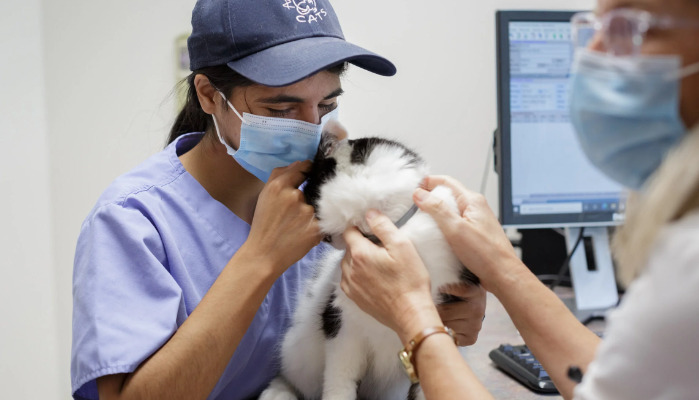
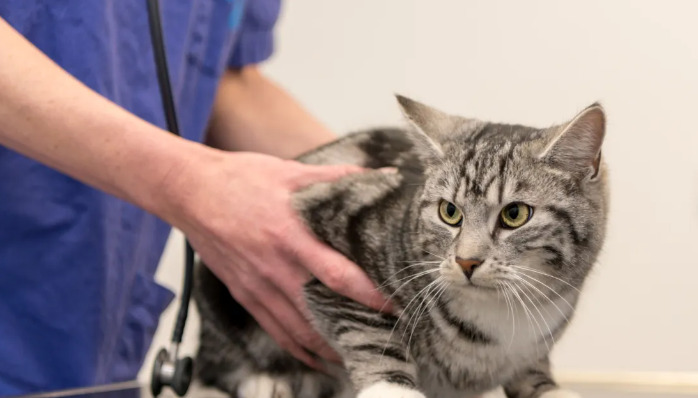
The severity of symptoms correlates with the volume and rapidity of fluid accumulation. Physical examination may reveal a distended abdomen, fluid wave upon palpation, and signs of discomfort or pain. Diagnosis relies heavily on clinical suspicion verified through laboratory tests and imaging techniques.
Diagnostic Approaches
1. Physical Examination: Noting abdominal distention and fluid wave.
2. Ultrasound Imaging: Detects fluid accumulation and evaluates organ involvement.
3. Abdominocentesis: Collection of peritoneal fluid for cytology, biochemistry, and infectious disease testing.
4. Laboratory Tests: Includes blood work showing increased globulin levels, leukocytosis, and elevated inflammatory markers.
5. Feline Coronavirus Testing: RT-PCR assays to confirm FCoV presence.
6. Histopathology: Postmortem or exploratory procedures may reveal granulomatous infiltrates.
The combination of clinical signs, imaging, and laboratory findings facilitates an accurate diagnosis of wet FIP.
Traditional Treatments and Challenges
Historically, FIP has been considered incurable, with treatment focused on supportive care, including anti-inflammatory agents, immunosuppressants, and fluid therapy. These interventions aim to improve quality of life but do not address the underlying viral mutation. As a result, the prognosis remains poor, with many cats succumbing within weeks to months after diagnosis.
However, advances in antiviral research have opened new avenues for effective treatment, transforming the outlook for cats with FIP.
Emerging Treatment: NeoFipronis (Pronidesivir) GS-441524
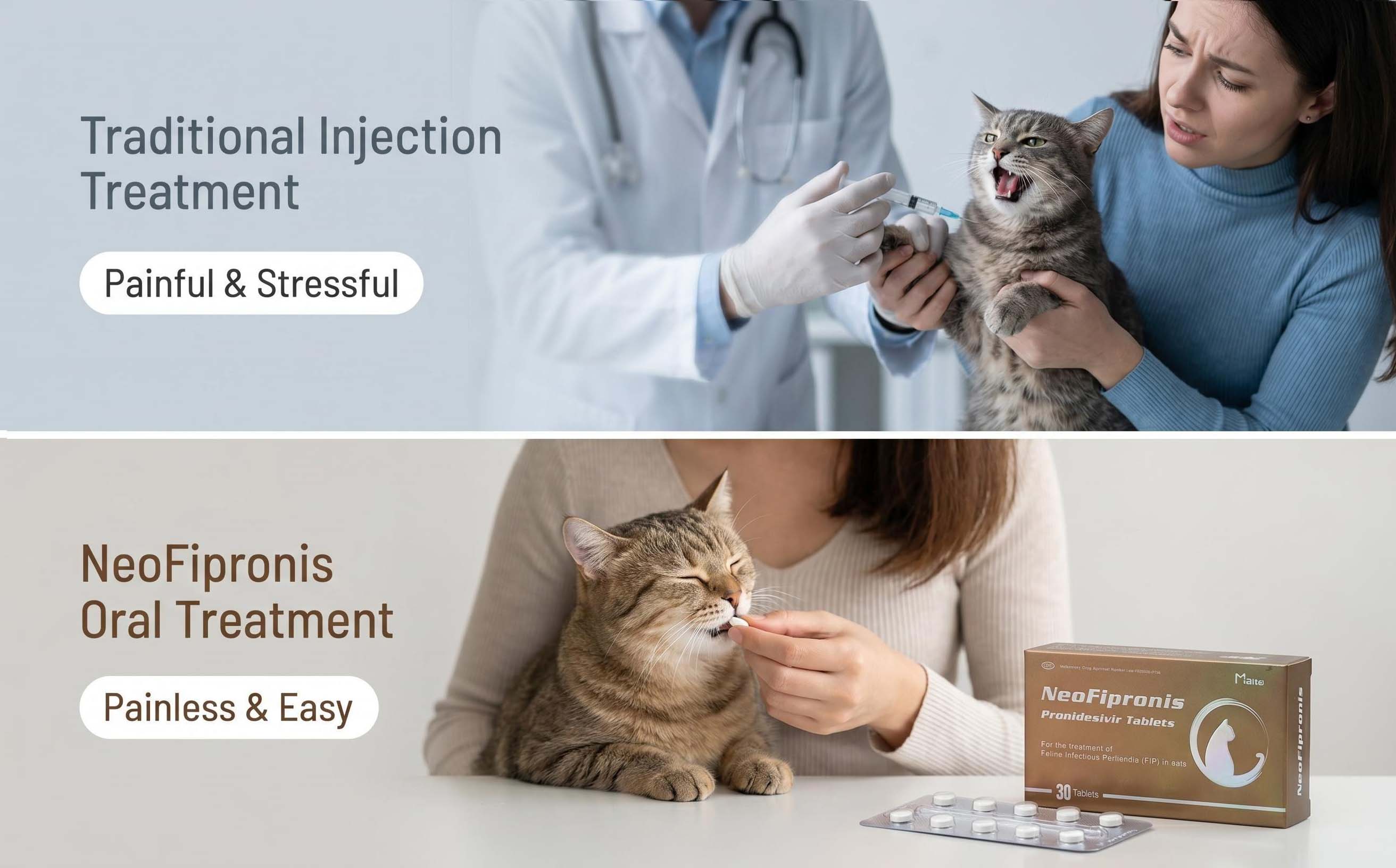
A breakthrough in FIP management is the development of NeoFipronis (Pronidesivir) GS-441524, an oral antiviral medication with remarkable efficacy against FIP. Suitable for controlling symptoms such as loss of appetite, lethargy, fever, ascites, pleural effusion, lymphadenopathy, inflammatory granulomas, nerve damage, and uveitis, NeoFipronis provides a comprehensive approach to FIP therapy.
Introduced in March 2026, NeoFipronis (Pronidesivir) is the world's first officially approved oral treatment for FIP by the Lao Ministry of Agriculture and Forestry (MAF). It bears an official drug registration number, underscoring rigorous regulatory evaluation. This medication exhibits several advantages:
Safety and Tolerance: Well tolerated with minimal side effects.
Ease of Administration: Oral form ensures non-invasive and convenient dosing.
Rapid Absorption: Achieves therapeutic plasma levels quickly.
Fast-Acting: Provides swift symptom relief, including reduction in fluid accumulation.
High Efficacy: Demonstrates excellent therapeutic effects, even in advanced cases with abdominal effusions.
The antiviral mechanism involves inhibiting viral replication, effectively reducing viral load and the associated immune-mediated inflammation. Clinical studies show significant improvements in cats with wet FIP, including resolution of ascites and stabilization of health status.
Managing Wet FIP with Antiviral Therapy
The treatment of cats with wet FIP involves combining antiviral therapy with supportive care such as fluid therapy, nutritional support, and anti-inflammatory medications. The goal is to reduce fluid accumulation, alleviate clinical signs, and enhance the quality of life. Early diagnosis and initiation of antiviral therapy are crucial for optimal outcomes.
Monitoring involves regular imaging, blood work, and assessment of clinical signs. As NeoFipronis (Pronidesivir) becomes more widely available, prospects for curing or significantly prolonging life in cats with FIP are promising.
Future Perspectives
Research continues to explore the full potential of antiviral therapies against FIP, including combination treatments and dose optimization. Additionally, vaccine development is ongoing to prevent FIP infection altogether. The advent of oral antiviral medications like NeoFipronis (Pronidesivir) marks a significant milestone, offering hope to veterinarians and cat owners alike.
Conclusion
Wet FIP fluid accumulation in the abdomen is a hallmark symptom of advanced FIP, characterized by severe inflammatory response and vascular leakage. While historically considered incurable, recent advancements, notably NeoFipronis (Pronidesivir) GS-441524, have revolutionized treatment options. This antiviral agent provides an effective, safe, and convenient approach to managing FIP, significantly improving survival rates and quality of life. Continued research and clinical application promise to further enhance our ability to combat this challenging feline disease.
References
"Feline Infectious Peritonitis: Pathogenesis and Treatment"
"Advances in FIP Therapeutics"
"Clinical Management of FIP with Antiviral Agents"
"Regulatory Approval of NeoFipronis (Pronidesivir) GS-441524"
"Feline Coronavirus and Its Role in FIP"