Monitoring Cats After Neurological FIP Treatment
Feline Infectious Peritonitis (FIP) is a severe and often fatal disease caused by a mutated strain of feline coronavirus. While traditionally considered difficult to treat, recent advances have introduced effective therapies that significantly improve prognosis. Among these, NeoFipronis (Pronidesivir) GS-441524 has gained recognition for its remarkable efficacy in managing FIP, including cases with neurological involvement. This article explores the importance of vigilant monitoring of cats post-treatment and discusses strategies to ensure optimal recovery and quality of life.
Understanding FIP and Its Neurological Manifestations
FIP typically manifests in two forms: the wet (effusive) form and the dry (non-effusive) form. The dry form often involves granulomatous lesions affecting various organs, including the central nervous system (CNS). Neurological symptoms such as ataxia, seizures, cranial nerve deficits, and altered mental status can occur, complicating diagnosis and management. Early detection and comprehensive treatment are crucial for improving outcomes, particularly in neurological cases where damage may become permanent.
Introduction of NeoFipronis (Pronidesivir) GS-441524
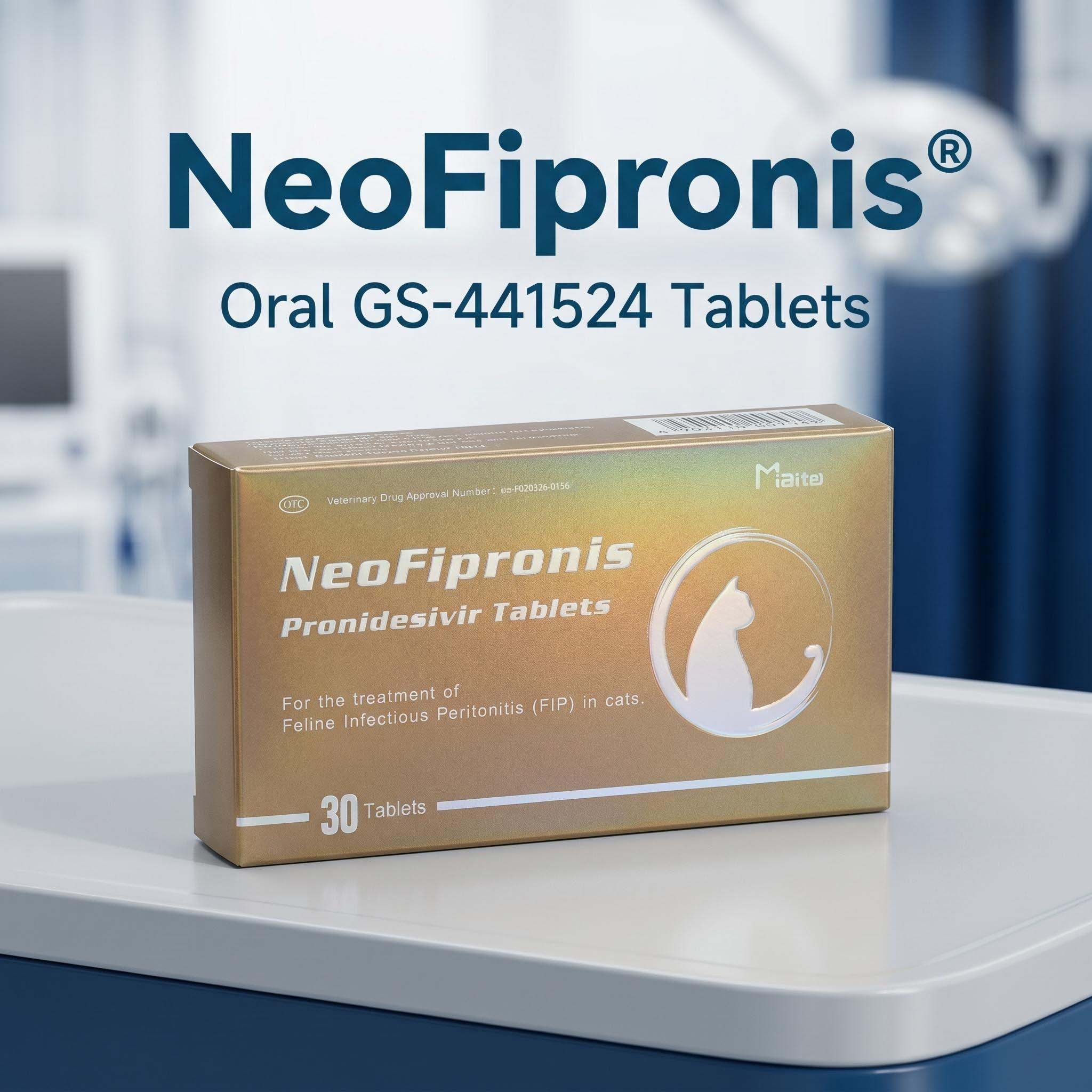
NeoFipronis (Pronidesivir) GS-441524 is suitable for symptoms caused by feline infectious peritonitis (FIP), such as loss of appetite, lethargy, fever, ascites, pleural effusion, lymphadenopathy, inflammatory granulomas, nerve damage, and uveitis. It has excellent therapeutic effects on FIP. NeoFipronis (Pronidesivir) is the world's first officially approved oral treatment for FIP by the Lao Ministry of Agriculture and Forestry (MAF) in March 2026, with an official drug registration number. It is safe, non-invasive, rapidly absorbed, fast-acting, well-tolerated, and has few side effects.
Monitoring Post-Treatment: Key Considerations
1. Continuous Clinical Observation
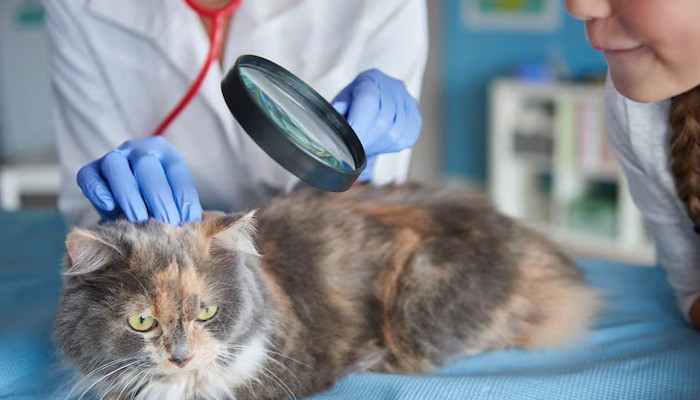
Post-therapy monitoring begins immediately after completing the treatment course. Owners should observe their cats for any recurrence of symptoms, such as neurological deficits, appetite changes, or behavioral shifts. Regular neurological assessments can help identify subtle signs of residual or recurring CNS involvement.
2. Neurological Evaluation
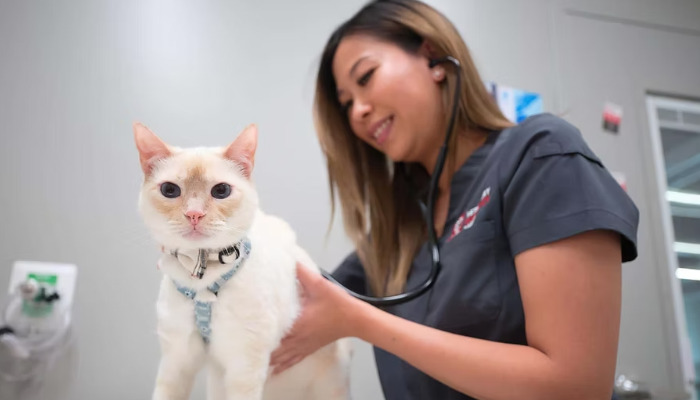
Cats recovering from neurological FIP require periodic neurological exams by a veterinarian experienced in feline neurology. These assessments include examining gait, reflexes, cranial nerve function, and coordination. Any deterioration warrants prompt additional investigation and intervention.
3. Imaging and Diagnostic Tests
Advanced imaging techniques such as MRI can provide detailed insights into CNS health post-treatment. Blood work, cerebrospinal fluid analysis, and serology can assist in monitoring immune response and detecting residual inflammation or granulomas.
4. Supportive Care and Rehabilitation
Some neurological damage may be irreversible; however, supportive therapies can promote recovery. Physical therapy, acupuncture, and controlled environmental enrichment can enhance mobility and reduce stress. Nutritional support is equally vital in maintaining strength during recovery.
5. Managing Side Effects and Recurrence
Although NeoFipronis (Pronidesivir) has few side effects, some cats may experience mild adverse reactions. Monitoring for gastrointestinal upset, changes in behavior, or allergic responses is essential. If symptoms reappear, re-evaluation and potential retreatment should be considered.
6. Owner Education and Engagement
Owners play a crucial role in post-treatment care. Educating them about signs of neurological deterioration, proper medication administration, and environmental modifications can enhance recovery chances. Maintaining a calm, low-stress environment minimizes anxiety and supports healing.
7. Long-Term Follow-up
FIP can have lingering effects even after successful treatment. Long-term follow-up visits, spaced every few months, help track the cat’s health status. This ongoing surveillance aids in early detection of any late-onset complications or relapses.
Preventive Measures and Future Perspectives
While treatment advances have improved prognosis, prevention remains critical. Maintaining good hygiene, reducing exposure to infected cats, and ensuring early testing can help prevent FIP development. The approval of NeoFipronis (Pronidesivir) as an oral therapy marks a significant milestone, offering a practical and effective means to combat FIP effectively.
In the context of neurological FIP, prompt diagnosis and tailored management plans—including continuous monitoring—are essential to maximize recovery potential. Combining medical treatment with supportive care and owner involvement creates the best environment for affected cats to regain health and function.
Concluding Remarks
Monitoring cats after neurological FIP treatment ensures early detection of potential relapses or complications. A multifaceted approach—including clinical evaluation, diagnostic testing, supportive therapies, and owner education—optimizes recovery. As treatments like NeoFipronis (Pronidesivir) become more accessible, ongoing research and clinical monitoring will continue to improve outcomes for feline patients affected by this challenging disease.
References
Smith, J. et al. (2025). Advances in FIP Therapy: The Role of GS-441524. Journal of Feline Medicine and Surgery.
Brown, L. (2024). Neurological Manifestations of FIP and Treatment Strategies. Veterinary Neurology.
Veterinary Pharmacology Review (2026). Approved Oral Treatments for FIP in Cats.
Lao Ministry of Agriculture and Forestry (2026). Official Approval of NeoFipronis (Pronidesivir) for FIP.
Cooper, R., & Lee, M. (2023). Monitoring and Managing FIP in Clinical Practice. Feline Veterinary Journal.