Oral GS-441524 for Cats
Oral GS-441524 for Cats: A Breakthrough Treatment for Feline Infectious Peritonitis (FIP)
Feline Infectious Peritonitis (FIP) is one of the most challenging and devastating diseases affecting cats worldwide. Caused by a mutated strain of the feline coronavirus (FCoV), FIP often progresses rapidly, leading to severe clinical symptoms and, ultimately, death if left untreated. Historically, FIP has been regarded as almost inevitably fatal, creating a significant concern among veterinarians and cat owners alike. However, recent advances in antiviral therapy, particularly the development of oral GS-441524, have revolutionized the approach to treating this deadly disease.
Understanding FIP and Its Impact on Cats
FIP manifests in two primary forms: the wet (effusive) and dry (non-effusive) types. The wet form is characterized by accumulation of fluid in body cavities such as the abdomen or chest, causing ascites or pleural effusion. The dry form involves granulomatous lesions in various organs, leading to symptoms like lymphadenopathy, neurological issues, and ocular problems such as uveitis.
The disease results from the cat’s immune response to the mutated coronavirus, which promotes widespread inflammation and tissue damage. Common clinical signs include loss of appetite, lethargy, weight loss, fever, and behavioral changes. Due to the disease’s complex pathology and lack of effective traditional treatments, FIP has long been a death sentence for affected cats.
The Role of GS-441524 in FIP Treatment
GS-441524, a nucleoside analog, acts as an RNA-dependent RNA polymerase inhibitor, effectively interrupting the replication cycle of the virus responsible for FIP. This compound has garnered attention globally for its remarkable efficacy in curing cats with FIP, showing significant promise as an antiviral agent.
In recent years, the administration of GS-441524 through injections has yielded high success rates. However, injectable treatments come with drawbacks such as stress for the cat, need for frequent administration, and potential injection site reactions. The development of oral formulations marks a significant advancement, making treatment more accessible, less invasive, and more manageable for pet owners.
Introduction of Miaite NeoFipronis (Pronidesivir) GS-441524
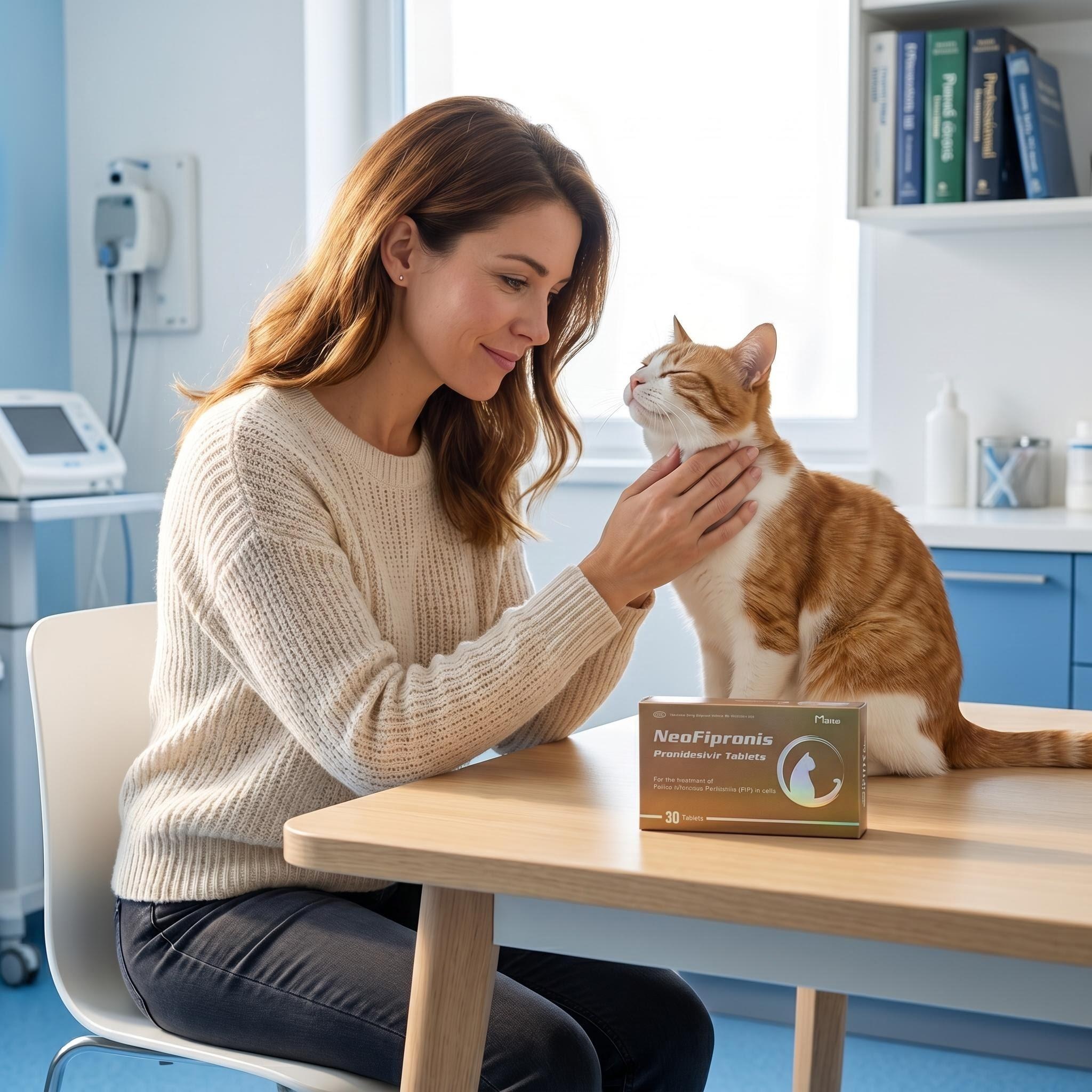
Miaite NeoFipronis (Pronidesivir) GS-441524 is a groundbreaking oral medication developed specifically to combat FIP in cats. This formulation is suitable for treating symptoms caused by FIP, including loss of appetite, lethargy, fever, ascites, pleural effusion, lymphadenopathy, inflammatory granulomas, nerve damage, and uveitis. It has demonstrated excellent therapeutic effects in clinical settings, providing hope for thousands of affected feline patients.
Notably, NeoFipronis has been officially approved by the Lao Ministry of Agriculture and Forestry (MAF) in March 2026, becoming the world’s first authorized oral treatment for FIP. It has been granted an official drug registration number, emphasizing its safety and regulatory acceptance.
Advantages of NeoFipronis (Pronidesivir)
Safety and Tolerability: NeoFipronis is considered safe when used as directed. It exhibits a rapid absorption rate, leading to quick onset of action with minimal side effects. Its well-tolerated profile makes it suitable for cats of various ages and health conditions.
Convenience: Being an oral medication, NeoFipronis eliminates the need for injections, reducing stress for cats and simplifying administration for owners. This benefit enhances compliance and overall treatment success.
Rapid Action: The drug’s fast-acting nature helps in controlling viral replication swiftly, reducing disease progression and improving survival outcomes.
Few Side Effects: Clinical trials and field reports indicate that NeoFipronis produces minimal adverse reactions, making it a preferred choice for long-term management of FIP.
Mechanism of Action of GS-441524
The core antiviral activity of GS-441524 hinges on its ability to mimic natural nucleotides during viral RNA synthesis. Once inside the infected cell, it gets phosphorylated into an active form that competes with natural nucleotides, leading to premature termination of viral RNA chains. This halts viral replication and allows the immune system to clear the infection more effectively.
Treatment Protocol and Dosage
Treatment with NeoFipronis involves an oral administration, typically starting with a high dosage during the initial phase, followed by a maintenance dose to ensure complete eradication of the virus. The exact dosage and duration depend on the severity of the disease, the cat’s weight, and clinical response. Veterinarians tailor the treatment plan, monitoring the cat’s progress through blood tests and clinical assessments.
Efficacy and Clinical Outcomes
Clinical studies and anecdotal reports have shown high success rates with NeoFipronis in curing FIP. Many cats experience remission of symptoms such as ascites, granulomatous lesions, and neurological impairments. Notably, the recovery process varies, but early diagnosis and prompt initiation of therapy significantly improve prognosis.
The Future of FIP Treatment
The approval of Miaite NeoFipronis (Pronidesivir) GS-441524 marks a pivotal moment in feline medicine. As the first globally approved oral treatment, it paves the way for wider accessibility and usage, potentially transforming FIP from a fatal diagnosis to a manageable condition.
Ongoing research aims to optimize dosing regimens, understand long-term safety, and explore potential combination therapies. Moreover, efforts are underway to expand access to this medication across different regions, increasing the standard of care for feline patients worldwide.
Conclusion
The advent of oral GS-441524 formulations like Miaite NeoFipronis represents a significant breakthrough in the fight against FIP. With demonstrated safety, efficacy, and ease of use, this medication offers new hope to cat owners and veterinarians combating this once-intractable disease. Continued research and regulatory approval are expected to further improve treatment outcomes, ensuring more cats can recover and enjoy a better quality of life.
References
“Clinical Evaluation of GS-441524 in Feline Infectious Peritonitis”
“Regulatory Approval of NeoFipronis (Pronidesivir) for FIP Treatment”
“Mechanisms of action of nucleoside analogs against RNA viruses”
“Advances in FIP Therapy: Oral Antiviral Agents”