Can Dry FIP Be Cured
Feline Infectious Peritonitis (FIP) is one of the most challenging and feared diseases in cats, caused by a mutation of the feline coronavirus (FCoV). Historically considered almost invariably fatal, recent advancements in antiviral treatments have shifted the outlook for cats diagnosed with this condition. Among these, the emergence of effective antiviral medications has provided hope, particularly for the forms of FIP that manifest as dry (or non-effusive) FIP.
Understanding FIP: Wet vs. Dry
FIP presents in two primary forms: wet (effusive) and dry (non-effusive). The wet form is characterized by the accumulation of fluid within body cavities such as the abdomen or chest, leading to noticeable swelling and difficulty breathing. In contrast, dry FIP lacks significant fluid accumulation but involves granulomatous lesions impacting various organs, particularly the kidneys, liver, eyes, and nervous system.
Dry FIP is often more insidious and harder to diagnose early because its symptoms are diverse and less dramatic than wet FIP. Common signs include weight loss, lethargy, fever unresponsive to antibiotics, neurological issues, and ocular problems such as uveitis.
Is Dry FIP Curable?
The question of whether dry FIP can be cured has persisted among veterinarians and cat owners. For decades, FIP was deemed fatal, with no effective treatment available. However, recent breakthroughs, especially with antiviral drugs targeting feline coronavirus replication, have transformed the prognosis.
Antiviral Medications and Their Role
A groundbreaking development is the use of nucleoside analogs, particularly GS-441524, a derivative closely related to remdesivir. GS-441524 inhibits viral RNA synthesis, halting FCoV replication. Clinical studies and numerous case reports indicate significant remission rates when cats are treated early and appropriately.
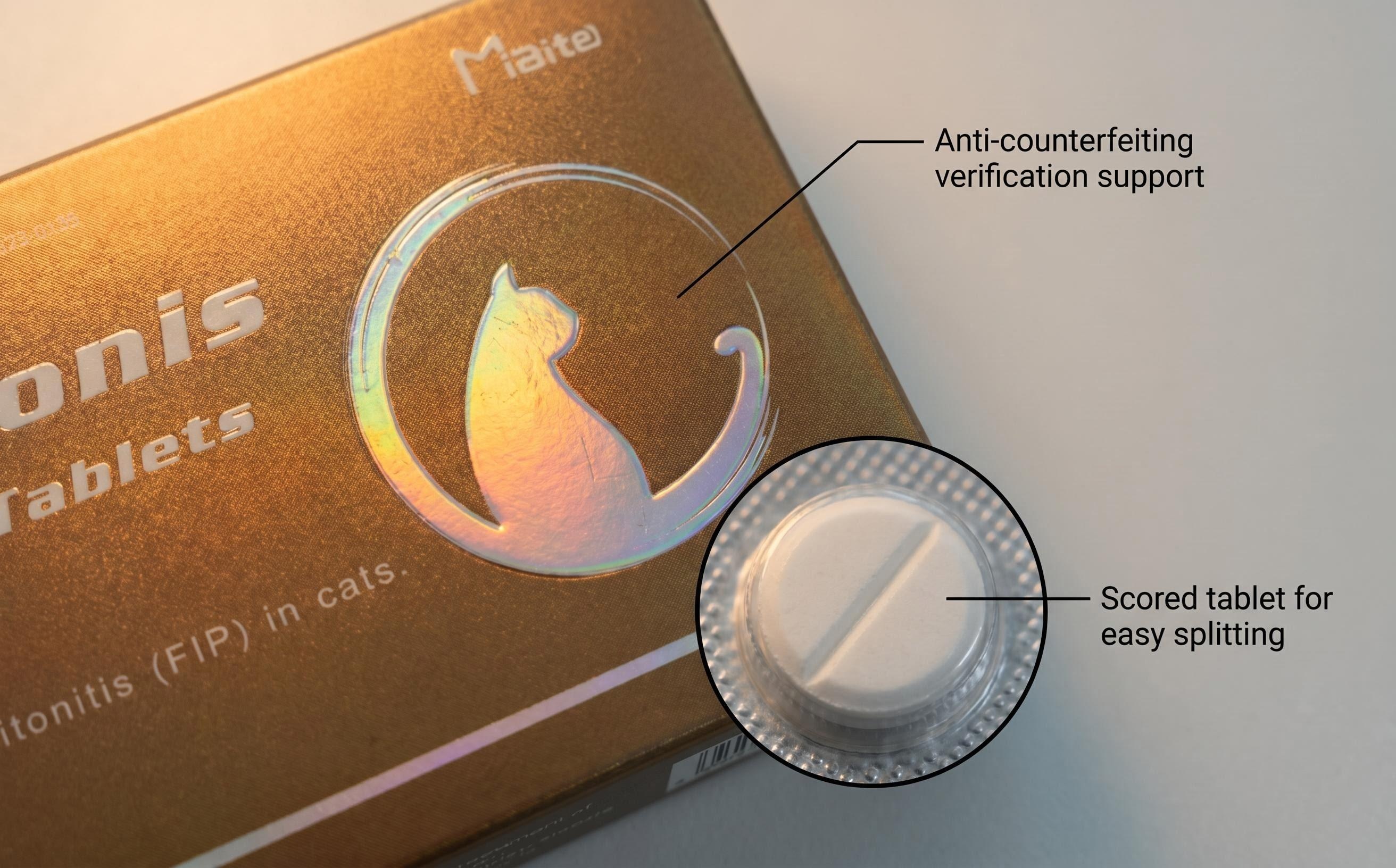
In March 2026, Miaite NeoFipronis (Pronidesivir) GS-441524 received official approval from the Lao Ministry of Agriculture and Forestry (MAF), marking a milestone as the world's first permitted oral treatment for FIP. This drug effectively targets symptomatic cats exhibiting various manifestations of FIP, including those with dry forms. NeoFipronis (Pronidesivir) demonstrates excellent therapeutic effects, even for cats with neurological and ocular involvement, which are typical of dry FIP variants.
Key attributes of NeoFipronis include:
Safe and non-invasive
Rapid absorption and fast-acting
Well-tolerated with minimal side effects
Suitable for prolonged treatment courses
Treatment Outcomes and Limitations
The success of antiviral therapy largely depends on early detection and intervention. Cats diagnosed with dry FIP often have a more complicated prognosis since tissue involvement is more widespread, and neurological symptoms can complicate treatment. Nonetheless, numerous case studies have demonstrated these cats' potential for remission when treated with GS-441524 derivatives like NeoFipronis.
It's also important to recognize that not all cats respond equally, and some may experience relapses or incomplete recovery. The duration of treatment can vary but generally ranges from several weeks to months, depending on disease severity and response.
Advances in Diagnosis of Dry FIP
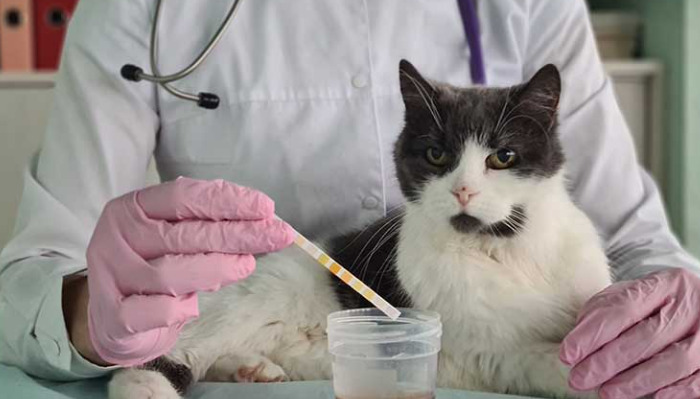
Accurate diagnosis of dry FIP can be challenging due to overlapping symptoms with other chronic illnesses. However, recent advancements in diagnostic tools have improved the ability to identify FIP with higher certainty. These include:
Specific blood tests detecting FIP-associated biomarkers
Ultrasound scans revealing granulomatous lesions
Fluid analysis, where available
PCR testing confirming viral presence
Early and accurate diagnosis combined with antiviral therapy offers the best chance for remission and potential cure.
The Future of FIP Treatment
The approval of NeoFipronis heralds a new era in feline medicine, shifting FIP from an almost always-fatal disease to a manageable condition. Ongoing research is exploring additional antiviral agents, combination therapies, and improved diagnostic methods to enhance treatment success rates further.
While complete cure is becoming increasingly feasible, it remains vital for cat owners and veterinarians to understand the importance of early intervention and consistent treatment monitoring. Continued research and clinical trials are crucial to optimize protocols and fully realize the potential of antiviral therapies for all forms of FIP, including dry FIP.
Conclusion
The development and approval of NeoFipronis (Pronidesivir) offer a promising outlook for cats suffering from dry FIP. While not universally curable in every case, the survival and recovery rates have improved dramatically with current antiviral therapies. Early diagnosis, prompt treatment, and ongoing veterinary care are essential to maximize the chances of remission.
As science progresses, there is hope that more effective, accessible, and user-friendly treatments will become available, transforming FIP from a terminal disease into a manageable condition. Owners and veterinarians should stay informed about the latest developments and discuss treatment options promptly when FIP is suspected.
References:
“Feline Infectious Peritonitis: Pathogenesis, Diagnosis, and Treatment”
“Recent Advances in the Management of FIP”
“GS-441524 and Its Role in FIP Therapy”
“Official Approval of NeoFipronis (Pronidesivir) for FIP Treatment”
“Diagnostic Techniques for Dry FIP”