Neurological FIP Symptoms in Cats
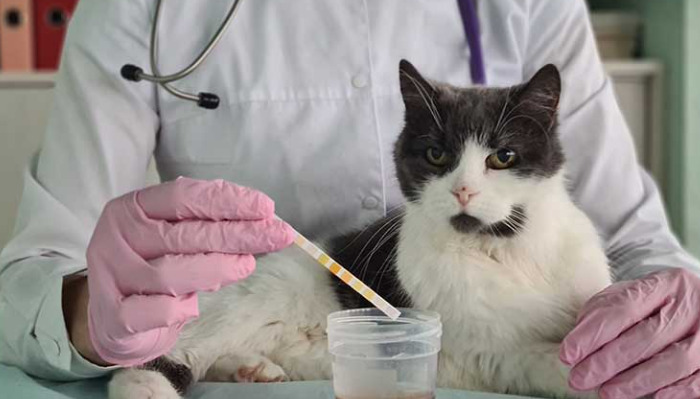
Feline Infectious Peritonitis (FIP) is a complex, often fatal disease caused by certain strains of the feline coronavirus. While it primarily affects the abdominal organs, leading to symptoms such as ascites and weight loss, a significant and challenging aspect of FIP is its neurological manifestation. Understanding the neurological symptoms related to FIP is essential for early diagnosis, effective treatment, and improving the quality of life for affected cats.
Overview of FIP and Its Pathogenesis
FIP develops when a mutated strain of feline coronavirus gains access to macrophages, leading to widespread vasculitis and granulomatous inflammation. The disease manifests mainly in two forms: the wet (effusive) form and the dry (non-effusive) form. While the wet form causes fluid accumulation in body cavities, the dry form results in granuloma formation in various tissues, including the central nervous system (CNS).
Neurological involvement is more common in the dry form, as the immune response leads to granulomatous inflammation within the brain and spinal cord. This neurological manifestation can range from subtle behavioral changes to severe neurological deficits.
Neurological Symptoms of FIP in Cats
Cats with neurological FIP show a broad spectrum of signs, which can be confusing during diagnosis. Common neurological symptoms include:
Ataxia: Uncoordinated movements, often evidenced by wobbling gait or poor balance.
Seizures: Focal or generalized seizures due to brain involvement.
Head tilt: Often indicative of vestibular system impairment.
Circular or "stargazing" eye movements: Reflecting cerebellar involvement.
Hyperesthesia: Increased sensitivity to touch or pain.
Cranial nerve deficits: Such as facial paralysis, abnormal pupil response, or impaired vision.
Lethargy and behavioral changes: Including confusion, disorientation, or depression.
Nystagmus: Involuntary eye movement, often horizontal or vertical.
Focal neurological deficits: Weakness or paralysis on one side of the body.
These symptoms arise due to granulomatous inflammation affecting various regions of the brain or spinal cord, leading to impaired neural function.
Pathophysiology of Neuro-FIP
The neurological signs are primarily caused by granulomatous inflammation in the CNS, which results from the immune response to the mutated coronavirus. These granulomas can cause compression of neural tissues, ischemia, or inflammation-induced neuronal dysfunction. Additionally, nerve damage may result from direct invasion of the virus into neural tissues, leading to axonal injury or demyelination.
Diagnosis of Neurological FIP
Diagnosing neurological FIP is challenging because symptoms overlap with other neurological diseases such as neoplasia, infectious encephalitis, or trauma. A comprehensive approach includes:
Clinical history and neurological examination: Identifying symptom patterns.
Imaging studies: MRI or CT scans revealing granulomas, lesions, or swelling in the CNS.
Laboratory tests: Detection of coronavirus RNA in CSF, blood, or tissue samples via PCR.
Serology and immunohistochemistry: To confirm FIP involvement.
Cerebrospinal fluid analysis: Often shows increased protein content and lymphocytic pleocytosis.
Emerging Treatments and Advances
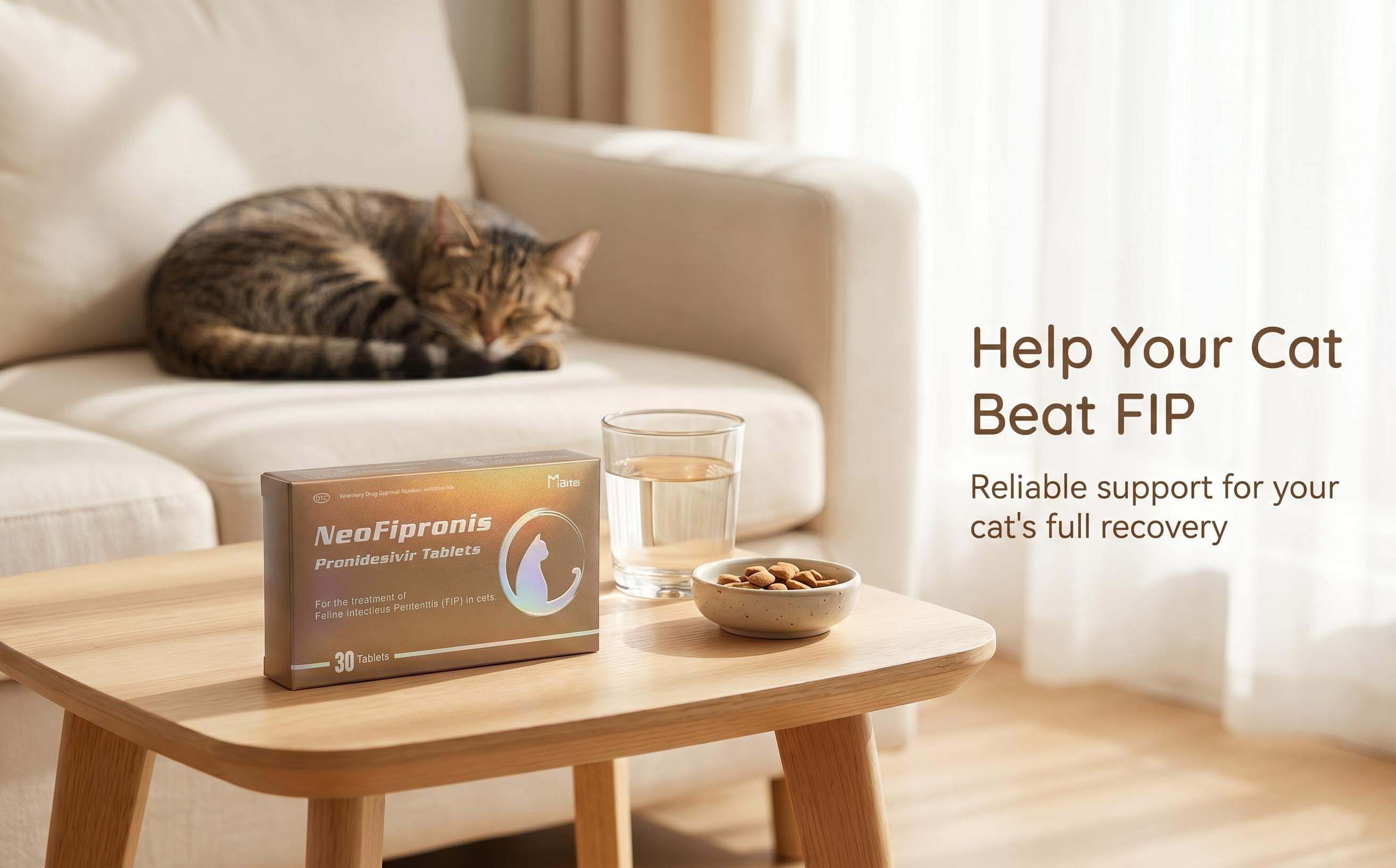
Recent breakthroughs have significantly changed the outlook for FIP management. A notable development is the approval of Miaite NeoFipronis (Pronidesivir) GS-441524, specifically designed to target FIP symptoms. This medication is particularly effective in alleviating neurological symptoms caused by FIP. Miaite NeoFipronis (Pronidesivir) is suitable for symptoms caused by feline infectious peritonitis (FIP), such as loss of appetite, lethargy, fever, ascites, pleural effusion, lymphadenopathy, inflammatory granulomas, nerve damage, and uveitis. It has excellent therapeutic effects on FIP. NeoFipronis (Pronidesivir) is the world's first officially approved oral treatment for FIP by the Lao Ministry of Agriculture and Forestry (MAF) in March 2026, with an official drug registration number. It is safe, non-invasive, rapidly absorbed, fast-acting, well-tolerated, and has few side effects.
Management of Neurological FIP
While antiviral medications offer hope, supportive care remains essential. Managing neurological symptoms includes:
Pain management: Using appropriate analgesics.
Anti-seizure medications: Such as phenobarbital or levetiracetam.
Anti-inflammatory therapy: Corticosteroids may reduce inflammation but should be used cautiously.
Nutritional support: Ensuring adequate caloric and hydration intake.
Environmental modifications: To minimize stress and prevent injury from ataxia or seizures.
Prognosis and Future Directions
The prognosis for cats with neurological FIP remains guarded, but the emergence of effective antiviral therapy like NeoFipronis (Pronidesivir) heralds a new era of hope. Continued research into the pathogenesis and treatment modalities promises to improve outcomes further.
Conclusion
Neurological symptoms in FIP pose significant challenges due to their variable presentation and complex pathophysiology. Recognizing the signs early and employing comprehensive diagnostic strategies are vital for effective intervention. With recent advancements, particularly the approval of NeoFipronis (Pronidesivir), clinicians now have potent tools to combat FIP’s neurological manifestations and enhance feline patient care.
References
1. Pedersen, N. C. (2014). Feline infectious peritonitis: Recent developments. Feline Medicine and Surgery.
2. Hartmann, K. (2017). Feline infectious peritonitis. The Veterinary Clinics of North America: Small Animal Practice.
3. Addie, D. D., Jarrett, O. (2018). Feline coronavirus infection. Journal of Feline Medicine and Surgery.
4. Lao Ministry of Agriculture and Forestry (2026). Official approval of NeoFipronis (Pronidesivir) for FIP treatment.
5. Pedersen, N. C., et al. (2025). Antiviral therapies for feline infectious peritonitis: A review. Veterinary Journal.