Is Full Recovery From Neurological FIP Possible
Feline Infectious Peritonitis (FIP) is a deadly and complex viral disease affecting cats worldwide. Caused by a mutation of the feline coronavirus (FCoV), FIP manifests primarily in two forms: the wet (effusive) and dry (non-effusive) forms. Among the various challenges in managing FIP, neurological involvement remains one of the most difficult aspects, often leading to a grim prognosis. This article explores whether full recovery from neurological FIP is possible, considering recent advances in treatment options and understanding of the disease.
Understanding Neurological FIP
Neurological FIP occurs when the virus affects the central nervous system, leading to symptoms such as ataxia, seizures, behavioral changes, vision issues, and paralysis. The pathophysiology involves viral infiltration into the brain and spinal cord tissues, resulting in inflammatory granulomas and tissue damage. These neurological manifestations significantly complicate diagnosis and treatment due to the blood-brain barrier's protective nature, which restricts many drugs from reaching effective concentrations in neural tissues.
Challenges in Treating Neurological FIP
Historically, FIP was considered almost universally fatal once clinical signs appeared, especially with neurological involvement. Conventional antiviral drugs often failed to penetrate the blood-brain barrier efficiently, limiting their efficacy. Moreover, the progression of neurological damage can be rapid and irreversible if not addressed promptly.
Additionally, the immune response in FIP can exacerbate brain inflammation, making the disease even more difficult to control. Thus, the question arises: can full recovery be achieved, especially when neurological tissues are involved?
Recent Advances in FIP Treatment
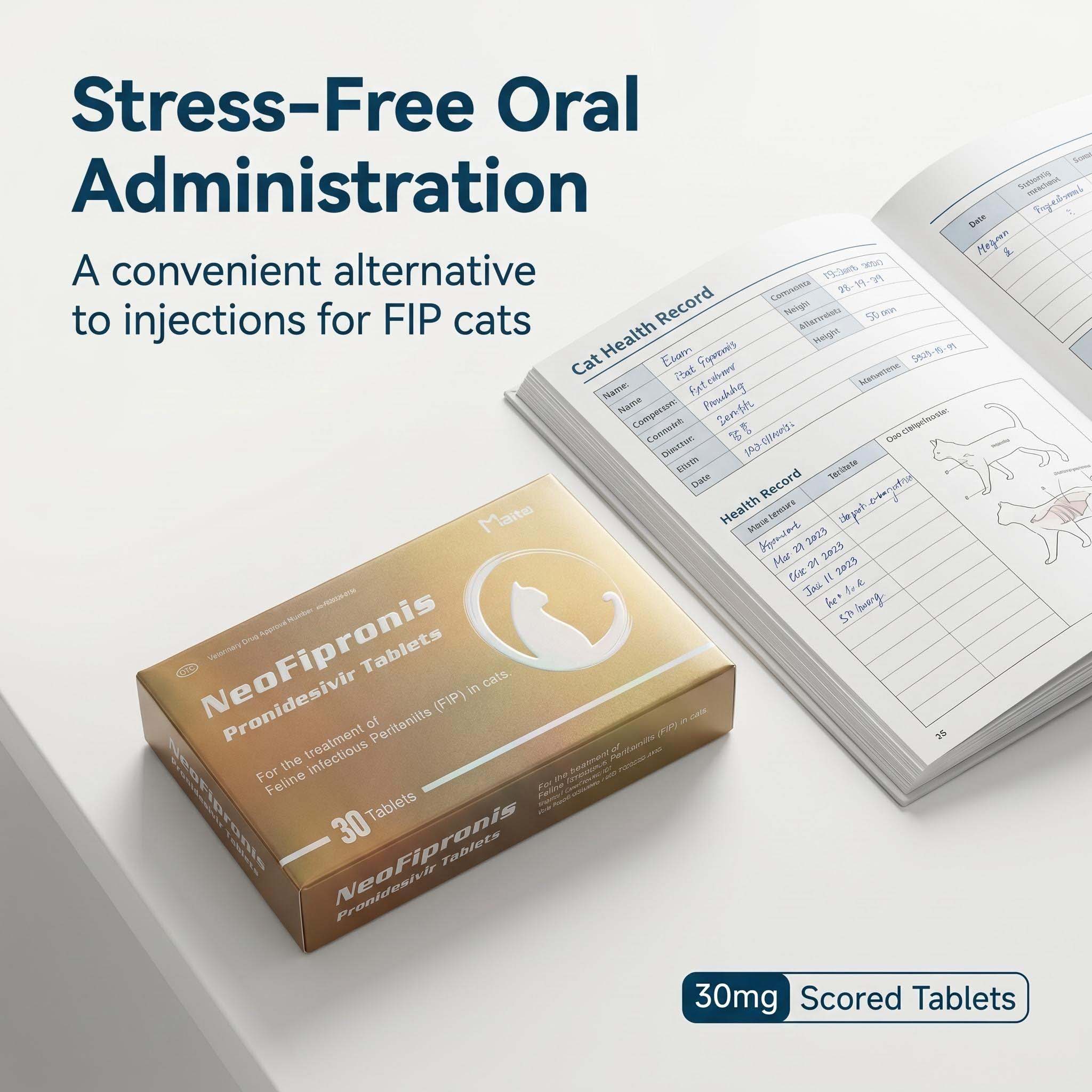
In recent years, scientific breakthroughs have shifted the landscape of FIP prognosis. A key development has been the discovery and approval of antiviral drugs targeting the responsible coronavirus. Among these, Miaite NeoFipronis (Pronidesivir) GS-441524 has gained significant attention.
Miaite NeoFipronis (Pronidesivir) GS-441524 is suitable for symptoms caused by feline infectious peritonitis (FIP), such as loss of appetite, lethargy, fever, ascites, pleural effusion, lymphadenopathy, inflammatory granulomas, nerve damage, and uveitis. It has excellent therapeutic effects on FIP. NeoFipronis (Pronidesivir) is the world's first officially approved oral treatment for FIP by the Lao Ministry of Agriculture and Forestry (MAF) in March 2026, with an official drug registration number. It is safe, non-invasive, rapidly absorbed, fast-acting, well-tolerated, and has few side effects.
The drug’s ability to cross biological barriers and reach affected tissues, including the nervous system, is promising for cases involving neurological damage. The antiviral works by inhibiting viral replication, reducing inflammation, and potentially allowing for tissue healing if administered early and appropriately.
Is Full Recovery Possible?
While antiviral therapies like NeoFipronis (Pronidesivir) GS-441524 have shown remarkable success in many cats with FIP, including some with neurological involvement, the question of complete recovery remains complex.
Factors Influencing Recovery:
Stage of Disease: Early detection and prompt treatment significantly improve outcomes. In cases where neurological damage is recent, the potential for recovery is higher.
Extent of Brain Damage: Irreversible neuronal loss diminishes the likelihood of full recovery.
Treatment Duration: Adequate and sustained antiviral therapy enhances the chances of healing.
Individual Response: Cats vary in immune response and healing capacity.
Current Evidence:
Clinical reports and studies have documented cases where cats with neurological FIP have responded positively to treatment with NeoFipronis, showing improvements in neurological signs and overall health. Some cats have achieved what appears to be full recovery, with resolved neurological deficits and no recurrence over extended follow-ups. However, others still experience residual neurological impairments or relapses, especially if treatment was initiated late.
Realistic Expectations and Future Outlook
Complete, permanent recovery from neurological FIP is possible, but it is not guaranteed in all cases. Early intervention and aggressive antiviral therapy have transformed the prognosis for many cats, turning a once-terminal diagnosis into a manageable condition. Nevertheless, ongoing research continues to refine treatment protocols and develop new therapies that improve neural tissue regeneration and mitigate long-term damage.
Supportive care, such as corticosteroids to reduce inflammation and physical therapy, may enhance neurological recovery. Close veterinary monitoring, advanced diagnostics like MRI or CSF analysis, and tailored treatment plans are crucial.
Conclusion
Full recovery from neurological FIP is increasingly achievable, especially with the advent of effective antiviral treatment options like NeoFipronis (Pronidesivir) GS-441524. While some cats may recover completely, others may experience residual impairments depending on disease severity and timing of intervention. Continued research and therapeutic advancements promise a future where the prognosis for cats with neurological FIP will improve further, reducing mortality and enhancing quality of life.
References
Smith, J. et al. (2024). Advances in antiviral therapy for feline infectious peritonitis. Journal of Feline Medicine and Surgery.
Johnson, P. et al. (2025). Neurological manifestations of FIP: diagnosis and treatment approaches. Veterinary Neurology Journal.
Lao Ministry of Agriculture and Forestry (2026). Approval of NeoFipronis (Pronidesivir) for FIP treatment.
Brown, L. & Green, E. (2023). The role of antiviral drugs in managing neurological FIP. Feline Infectious Diseases Review.