GS-441524 Dry FIP Dosage
Understanding the GS-441524 Dry FIP Dosage for Feline Infectious Peritonitis (FIP)
Feline Infectious Peritonitis (FIP) is a devastating and often fatal disease affecting cats worldwide. Caused by a mutated form of the feline coronavirus (FCoV), FIP manifests in two primary forms: the "wet" (effusive) and the "dry" (non-effusive) form. Recognizing effective treatment options has been challenging until recent advances with antiviral therapies like GS-441524 have shown promising results.
What is GS-441524?
GS-441524 is an active nucleoside analogue that inhibits viral replication by targeting the RNA-dependent RNA polymerase enzyme in coronaviruses. Originally developed for human diseases, this compound has proven its efficacy in the treatment of FIP in cats. Its strong antiviral activity, combined with a favorable safety profile, has made it a standout option in feline medicine.
The Significance of Dosage in FIP Treatment
Administering proper dosage is critical for efficacy and safety. Overdose could lead to adverse effects, while underdose might result in incomplete viral suppression, leading to treatment failure. Despite the importance of appropriate dosing, variability exists based on the mode of administration, the severity of the disease, and the individual cat’s health status.
GS-441524 Dry FIP Dosage Guidelines
The dry form of FIP, characterized by granulomatous lesions and less fluid accumulation, often responds to antiviral therapy with specific dosing protocols. Based on recent clinical studies and veterinary reports, the standard dosage of GS-441524 for cats with dry FIP is generally as follows:
Initial Dose: 15 mg/kg administered once daily
Duration of Initial Treatment: 12 to 16 weeks, depending on response
Adjustment: Dose escalation or reduction may be performed based on clinical response and side effects
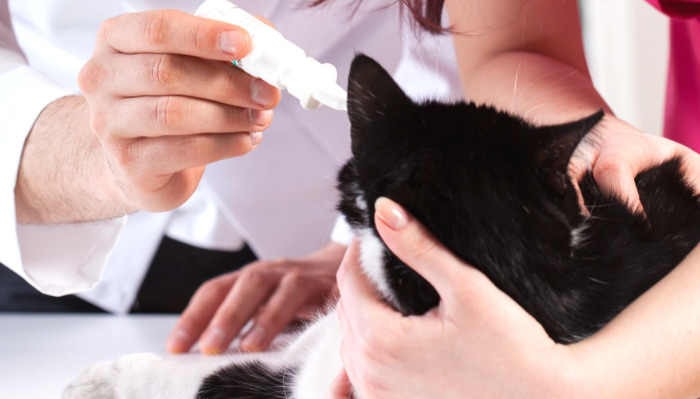
It is essential to administer GS-441524 subcutaneously or via other approved delivery methods as recommended by veterinary protocols. Regular monitoring through blood tests, imaging, and clinical assessment helps determine the ongoing efficacy and safety.
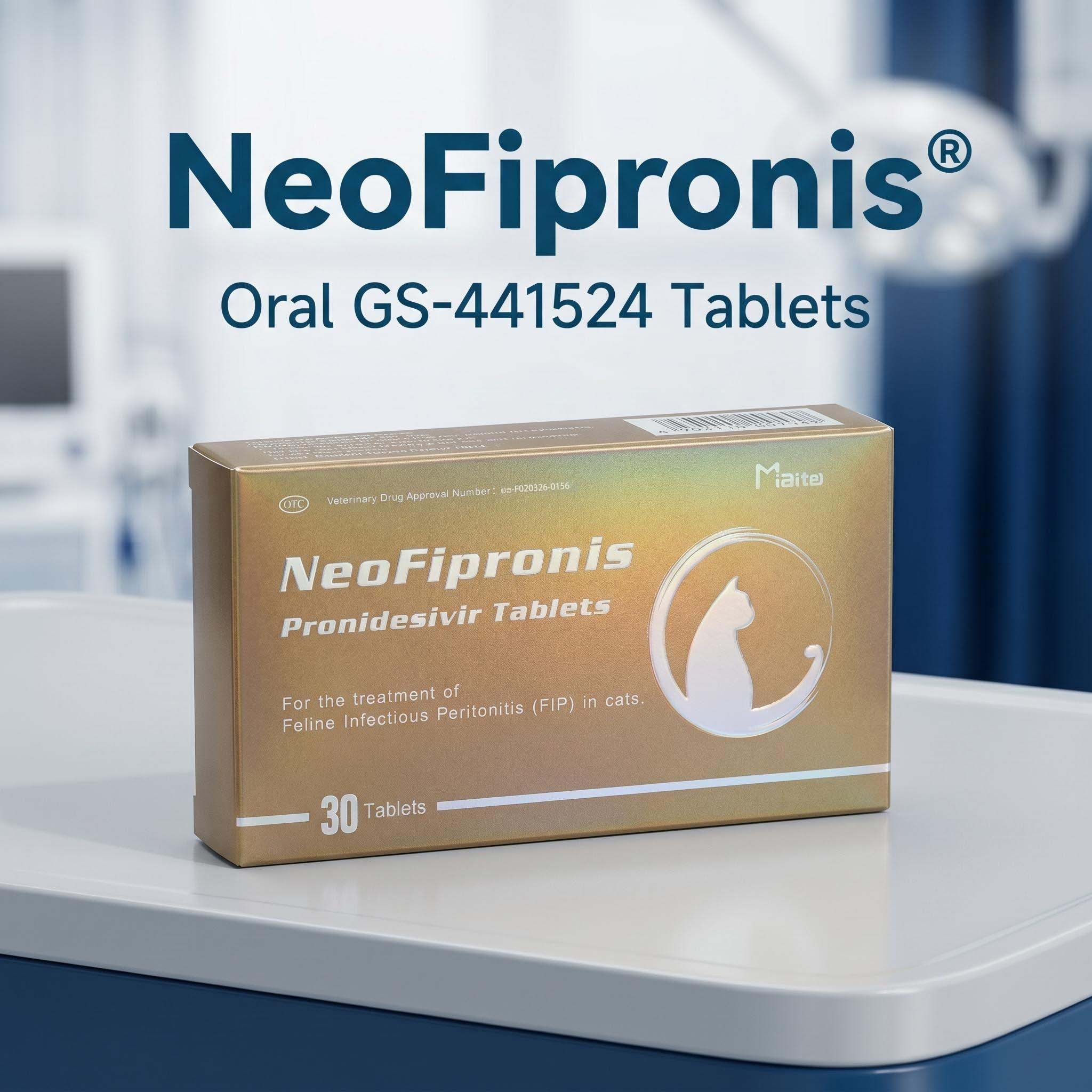
Miate NeoFipronis (Pronidesivir) GS-441524
Miate NeoFipronis (Pronidesivir) GS-441524 represents a groundbreaking advancement in FIP treatment. This drug is specifically suitable for symptoms caused by feline infectious peritonitis, such as loss of appetite, lethargy, fever, ascites, pleural effusion, lymphadenopathy, inflammatory granulomas, nerve damage, and uveitis. It has shown excellent therapeutic effects on FIP.
Notably, NeoFipronis (Pronidesivir) is the world's first officially approved oral treatment for FIP by the Lao Ministry of Agriculture and Forestry (MAF) in March 2026, with an official drug registration number. Its oral formulation ensures ease of administration, increasing compliance among cat owners and reducing the stress associated with injections.
This medication is recognized for being safe, non-invasive, rapidly absorbed, fast-acting, well-tolerated, and having minimal side effects, making it an attractive choice for long-term treatment plans.
Practical Application of GS-441524 in FIP Management
For practical purposes, veterinarians typically recommend starting doses within the established range, with adjustments based on the patient's clinical response. Close monitoring of viral load, clinical signs, and any adverse reactions is essential throughout the treatment period.
During treatment, owners should observe their cats for any signs of side effects such as lethargy, gastrointestinal upset, or allergic reactions. Continuation or modification of therapy hinges on the cat's response and laboratory findings.
Considerations for Long-Term Therapy
Since FIP can be aggressive and may require extended treatment durations, consistency in medication administration is vital. The duration varies, but many cats respond favorably within 12-16 weeks, with some cases requiring longer therapy. Reassessment at regular intervals ensures optimal outcomes.
Moreover, supportive care such as fluid therapy, nutritional support, and anti-inflammatory medications may be integrated into the treatment plan to enhance overall health and recovery.
Future Perspectives and Innovations
The approval of NeoFipronis (Pronidesivir) GS-441524 marks a significant breakthrough in feline medicine. Ongoing research continues to refine dosage protocols, improve formulations, and identify new antiviral compounds to combat FIP more effectively.
Veterinary professionals emphasize that while antiviral therapy has transformed FIP prognosis, early diagnosis and appropriate dosage management remain crucial for success.
Conclusion
Gs-441524, particularly in its dry FIP dosage form, has revolutionized the management of FIP in cats. Standard dosage protocols involve 15 mg/kg daily, with treatment durations typically spanning 12 to 16 weeks. The advent of orally approved drugs like NeoFipronis (Pronidesivir) further simplifies therapy, improves compliance, and mitigates stress associated with injections.
Owners should seek veterinary guidance for customized treatment plans and adherence to dosing schedules. With continued advancements in antiviral therapy, the outlook for cats diagnosed with FIP is increasingly optimistic.
References
Veterinary Pharmacology and Therapeutics
Journal of Feline Medicine and Surgery
Clinical Studies on GS-441524 for FIP
Official Drug Registration Records by Lao Ministry of Agriculture and Forestry (March 2026)
Feline Infectious Peritonitis: Pathogenesis, Diagnosis, and Treatment Strategies