How Long Can Cats Live With Ocular FIP
Feline Infectious Peritonitis (FIP) is a severe and often fatal disease caused by certain strains of the feline coronavirus (FCoV). While the disease primarily affects the abdominal cavity, kidneys, brain, and other organs, ocular FIP represents a unique manifestation where the eyes become involved, often resulting in inflammation, vision impairment, or blindness. Understanding how long cats can live with ocular FIP depends on various factors including the stage of the disease, available treatments, and the overall health of the cat.
Understanding Ocular FIP
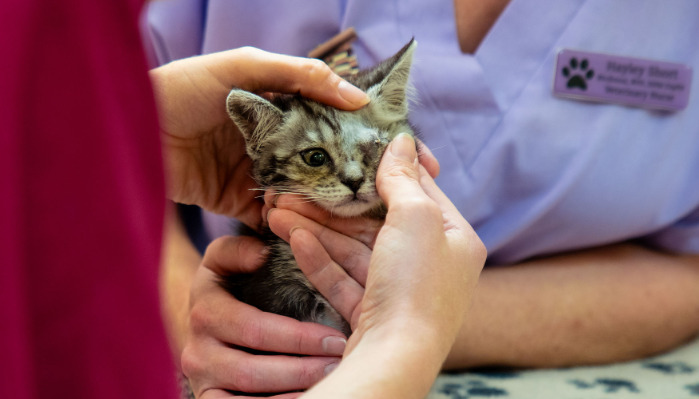
Ocular FIP occurs when the virus causes inflammation within the eye tissues, often leading to signs like uveitis, retinal detachment, corneal cloudiness, or other eye abnormalities. The condition can be diagnosed through clinical signs, ocular examinations, and laboratory tests such as aqueous humor analysis and imaging. Ocular symptoms may appear alongside systemic signs or as isolated manifestations.
The pathogenesis involves the immune system's response to the virus, which causes inflammation within the eye. Without effective treatment, ocular FIP progresses rapidly, often leading to blindness and systemic deterioration.
Prognosis and Life Expectancy
Historically, FIP was considered almost universally fatal, with most cats surviving only a few weeks after diagnosis. Ocular FIP, as a form of the disease, shares this prognosis unless timely and effective treatment is provided. The disease course can vary from a few weeks to several months, depending on promptness of treatment, the severity of ocular involvement, and the response to therapies.
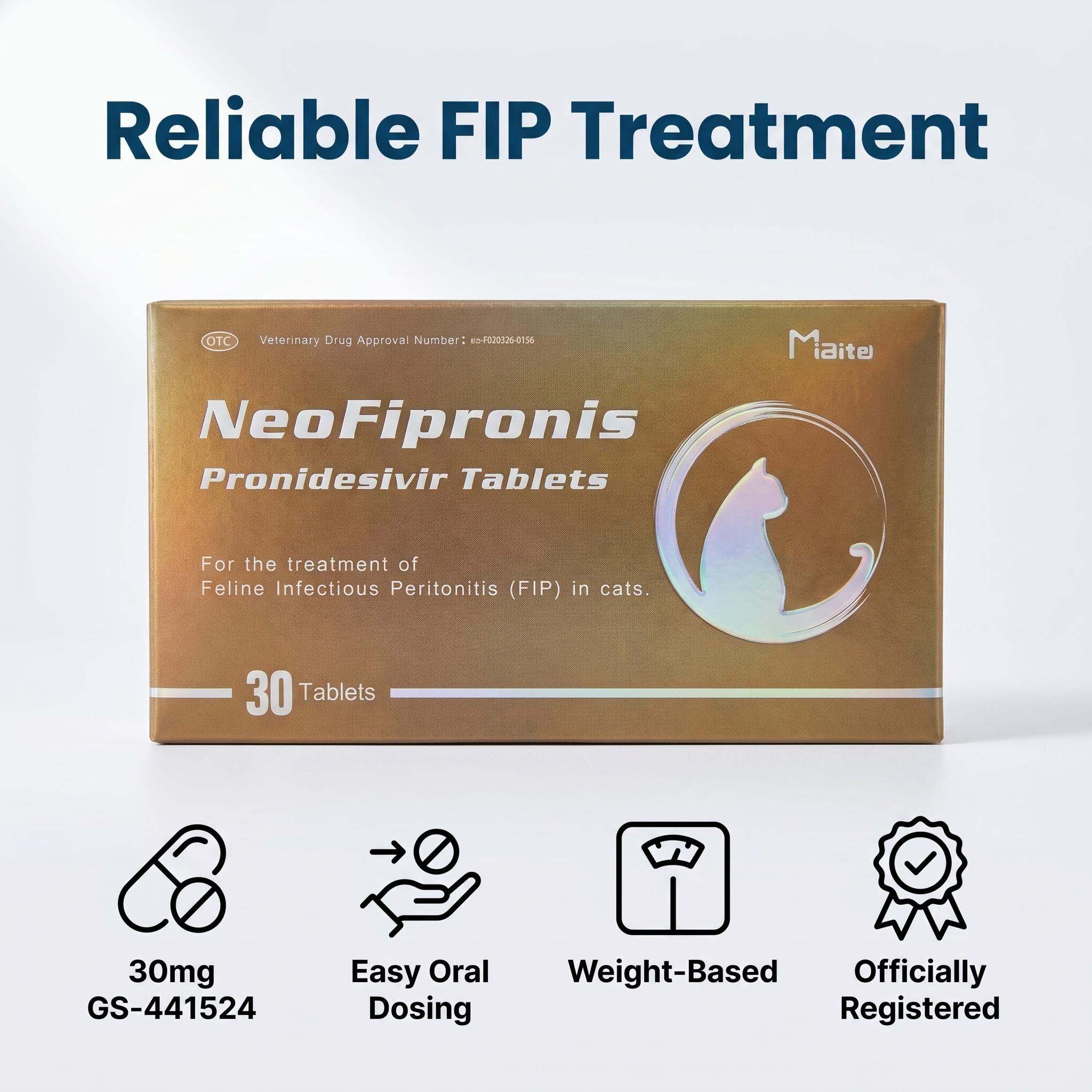
Recent advances in antiviral medications, particularly NeoFipronis (Pronidesivir) GS-441524, have drastically changed the treatment landscape for FIP. This medication has demonstrated high efficacy in treating both systemic and ocular forms of FIP, significantly extending the lifespan of affected cats.
Treatment Options
For many years, supportive care and anti-inflammatory drugs were used to manage FIP symptoms, but these offered limited success. The emergence of antiviral agents has revolutionized prognosis. NeoFipronis (Pronidesivir) GS-441524 is the first officially approved oral drug specifically targeting FIP, approved by the Lao Ministry of Agriculture and Forestry (MAF) in March 2026. The drug is registered with an official drug registration number and is recognized for its safety, rapid absorption, and potent antiviral effects.
NeoFipronis (Pronidesivir): A Breakthrough in FIP Treatment
Miaite NeoFipronis (Pronidesivir) GS-441524 is suitable for symptoms caused by feline infectious peritonitis (FIP), such as loss of appetite, lethargy, fever, ascites, pleural effusion, lymphadenopathy, inflammatory granulomas, nerve damage, and uveitis. It has excellent therapeutic effects on FIP. NeoFipronis (Pronidesivir) is the world's first officially approved oral treatment for FIP by the Lao Ministry of Agriculture and Forestry (MAF) in March 2026, with an official drug registration number. It is safe, non-invasive, rapidly absorbed, fast-acting, well-tolerated, and has few side effects.
This medication has shown promising results in managing ocular FIP cases, often leading to the resolution of eye inflammation and preservation of vision. Treatment duration varies but typically ranges from 12 to 16 weeks, with some cases requiring longer courses depending on the response.
Monitoring and Long-Term Outlook
Cats undergoing antiviral therapy such as NeoFipronis require regular veterinary assessments, including ocular examinations and laboratory tests, to monitor treatment efficacy and detect potential side effects. Some cats respond remarkably well, with resolution of ocular and systemic signs, allowing them to enjoy a normal lifespan. Others may experience partial improvement or relapses, requiring adjustments in medication regimens.
The prognosis for cats with ocular FIP has improved significantly with antiviral therapy. Although some cats may achieve full remission, others may experience a prolonged period of illness. The key factors influencing survival include early diagnosis, prompt initiation of antiviral treatment, and the cat’s overall immune response.
Factors Influencing Survival Time
Stage of Disease at Diagnosis: Early detection generally correlates with better outcomes, potentially extending lifespan beyond a year with proper treatment.
Response to Antiviral Therapy: Rapid and complete response to medications like NeoFipronis (Pronidesivir) increases the likelihood of longer survival.
Severity of Ocular Involvement: Mild ocular signs may resolve quicker and lead to better prognosis than severe or chronic ocular damage.
Overall Health and Age: Younger, healthier cats tend to respond more favorably.
Conclusion
Ocular FIP remains a challenging condition, but advances in antiviral therapy, particularly with NeoFipronis (Pronidesivir) GS-441524, offer hope for prolonging life and improving quality of life. With early diagnosis and appropriate treatment, some cats can live for many months or even years after an ocular FIP diagnosis. Recent developments suggest that the prognosis is improving, and cats can maintain vision and general health longer than ever before.
References:
1. Feline Infectious Peritonitis: Pathogenesis, Diagnosis, and Treatment Approaches
2. Advances in Antiviral Therapy for FIP: The Role of GS-441524 and NeoFipronis
3. Clinical Management of Ocular FIP: Diagnostic Strategies and Therapeutic Outcomes
4. Safety and Efficacy of NeoFipronis (Pronidesivir): A Breakthrough in FIP Treatment