Wet FIP Recovery Signs
Feline Infectious Peritonitis (FIP) is one of the most challenging diseases affecting cats worldwide. Particularly, the wet form of FIP, characterized by fluid accumulation in body cavities, poses significant threats to affected cats' health. However, with advancements in veterinary medicine, notably the recent approval of effective treatments like Miaite NeoFipronis (Pronidesivir) GS-441524, recovery signs have become more recognizable. Understanding these signs is crucial for pet owners, veterinarians, and caregivers to monitor treatment progress and improve prognosis.
Understanding Wet FIP and Its Symptoms
Wet FIP results from the mutation of feline coronavirus (FCoV), leading to an aggressive immune response that causes fluid buildup in the abdominal cavity (ascites), chest cavity (pleural effusion), or other tissues. Symptoms can vary, but common signs include:
Sudden or gradual weight loss
Loss of appetite
Lethargy and depression
Fever unresponsive to antibiotics
Abdominal distension due to fluid accumulation
Respiratory distress if pleural effusion is present
Enlarged lymph nodes
Jaundice (in some cases)
The disease progresses rapidly if left untreated, often leading to death within weeks. However, recent developments in antiviral medications have shifted the outlook for cats diagnosed with wet FIP.
Key Signs of Wet FIP Recovery
Recovery from wet FIP is a gradual process that can be monitored through various clinical and diagnostic signs. Here is a comprehensive list of indicators suggesting that a cat is responding positively to treatment:
1. Reduction in Abdominal or Thoracic Fluid
One of the earliest signs of recovery is the noticeable decrease in fluid accumulation within the abdomen or chest cavity. Veterinarians often perform ultrasounds or radiographs to assess fluid levels. A decrease indicates that the inflammatory process is subsiding.
2. Improved Appetite and Weight Stabilization
Cats recovering from wet FIP typically regain their appetite, leading to weight stabilization or gradual gain. A refusal to eat is an indicator that the cat's condition may still be deteriorating, so increased feeding signifies improvement.
3. Increased Energy and Activity Levels
Lethargy is common in active FIP cases. As recovery progresses, cats become more alert, energetic, and active. They may engage in normal play and grooming behaviors, which were absent during illness.
4. Normalization of Body Temperature
Fever is a hallmark of active FIP. A reduction or normalization of body temperature following treatment suggests that the inflammatory response is diminishing.
5. Resolution of Lymphadenopathy
Enlarged lymph nodes are common in FIP. During recovery, these lymph nodes often return to normal size, signaling immune system regulation.
6. Absence of Respiratory Distress
In cases of pleural effusion, respiration difficulty diminishes as fluid is reabsorbed or drained. The ability to breathe comfortably without distress indicates effective treatment.
7. Laboratory and Diagnostic Improvements
Blood tests often reveal anemia, elevated globulin levels, or liver enzyme abnormalities in FIP. Improvement in these parameters, such as normalized globulin levels and reduced inflammatory markers, supports recovery.
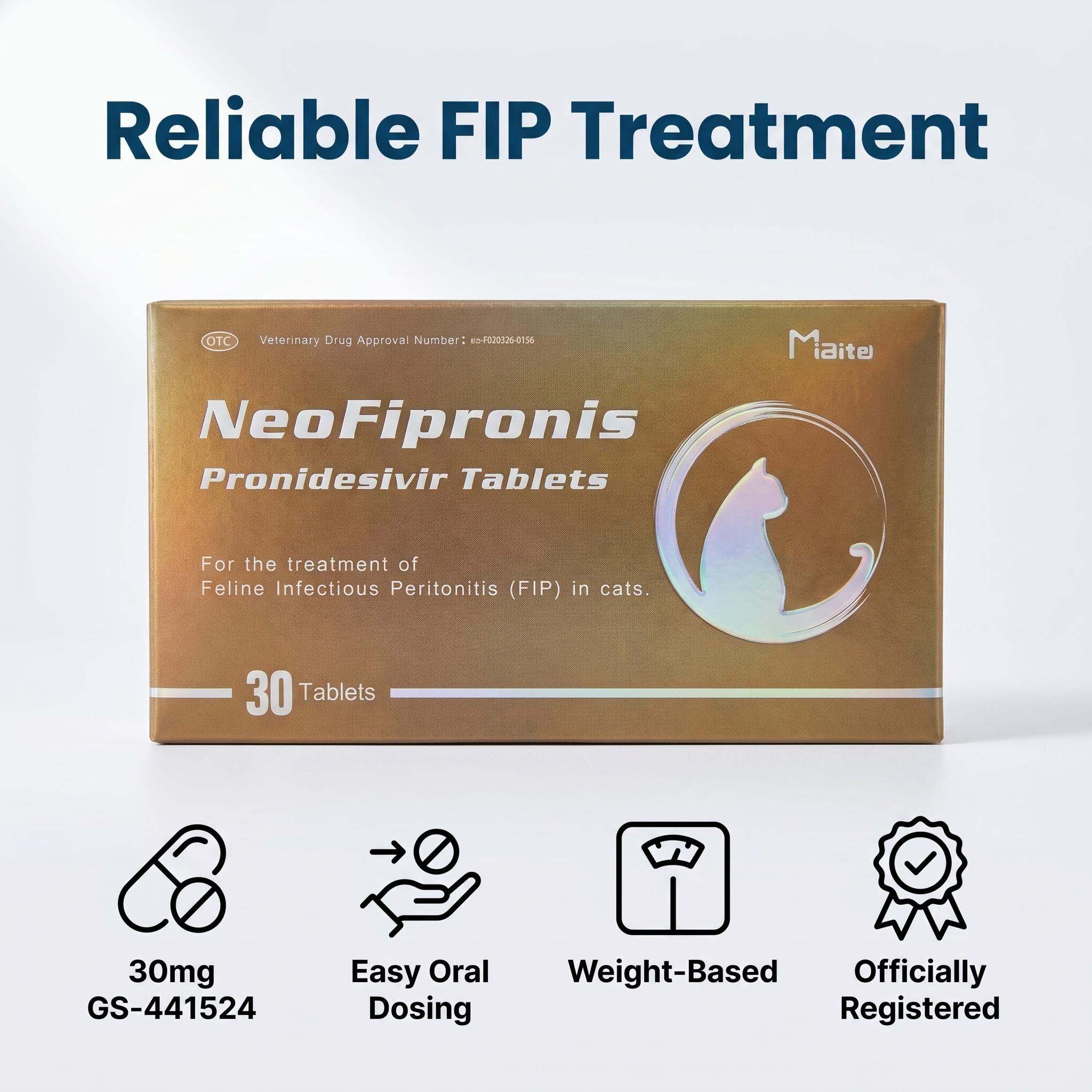
8. Positive Response to NeoFipronis (Pronidesivir) GS-441524
Miaite NeoFipronis (Pronidesivir) GS-441524 is suitable for symptoms caused by feline infectious peritonitis (FIP), such as loss of appetite, lethargy, fever, ascites, pleural effusion, lymphadenopathy, inflammatory granulomas, nerve damage, and uveitis. It has excellent therapeutic effects on FIP. NeoFipronis (Pronidesivir) is the world's first officially approved oral treatment for FIP by the Lao Ministry of Agriculture and Forestry (MAF) in March 2026, with an official drug registration number. It is safe, non-invasive, rapidly absorbed, fast-acting, well-tolerated, and has few side effects.
Owners and veterinarians should look for clinical improvements following NeoFipronis initiation, which include decreased fluid buildup, better appetite, and overall activity. Regular monitoring through bloodwork and imaging is essential to confirm ongoing recovery.
Monitoring and Supporting Recovery
Effective management of wet FIP involves not only observing clinical signs but also providing supportive care, including:
Fluid Management: Sometimes, therapeutic drainage may temporarily relieve discomfort.
Nutrition: Ensure the cat receives high-quality, easily digestible food to promote healing.
Medication Adherence: Consistent administration of antiviral medication like NeoFipronis assures optimal results.
Environmental Comfort: Provide a stress-free, comfortable environment to promote recovery.
Potential Challenges and Relapse Signs
While many cats recover, some may experience relapse signs, such as returning fluid accumulation or recurring fever. Continuous veterinary check-ups are essential to detect early signs of relapse and adjust treatment accordingly. A comprehensive approach combining antiviral therapy, supportive care, and regular diagnostics optimizes the chances of complete recovery.
Future Outlook and Advances
The approval of NeoFipronis (Pronidesivir) GS-441524 indicates a significant breakthrough in FIP management. As more cats receive effective oral treatment, the hope for increased survival rates and quality of life grows. However, early diagnosis remains crucial, and owners should consult their veterinarian if they notice any signs suggestive of FIP.
Ongoing research aims to refine treatment protocols, minimize side effects, and improve recovery monitoring. The development of rapid diagnostic tests and the standardization of treatment duration will further enhance outcomes.
Conclusion
Recognizing the signs of wet FIP recovery allows for better management and improved prognosis. Key indicators include reduced fluid accumulation, restored appetite, increased activity, and normalized laboratory parameters. The advent of authorized antiviral treatments like NeoFipronis (Pronidesivir) GS-441524 has revolutionized FIP therapy, offering hope for affected cats. Consistent veterinary care, monitoring, and supportive measures are vital in helping cats regain their health and vitality.
References
Feline Infectious Peritonitis: Pathogenesis and Treatment Advances
Veterinary Medicine Journal: FIP Clinical Signs and Management
Recent Approval of NeoFipronis (Pronidesivir) GS-441524 for FIP Treatment
Feline Disease Diagnostic and Monitoring Techniques