Advanced Neurological FIP Symptoms
Feline Infectious Peritonitis (FIP) is a complex and often fatal disease caused by mutated forms of the feline coronavirus. While traditionally associated with abdominal and thoracic symptoms, recent advances have shed light on the neurological manifestations of FIP, which can significantly impact the prognosis and quality of life of affected cats. Recognizing and understanding these advanced neurological symptoms are vital for timely diagnosis and effective treatment.
Understanding FIP and Its Neurological Impact
FIP develops when a feline coronavirus, which is common among cats, mutates into a virulent strain that causes severe inflammatory responses. The immune system’s reaction leads to granulomatous lesions, primarily affecting blood vessels and various tissues, including the brain and spinal cord in some cases. While many cats exhibit classic signs such as fever, lethargy, weight loss, and abdominal distension, neurological symptoms can be more subtle and challenging to diagnose.
Neurological FIP occurs when the viral infiltration involves the central nervous system (CNS). This results in a spectrum of clinical signs, which often resemble other neurological disorders, making diagnosis complex. Early detection of these symptoms can be pivotal for providing appropriate intervention, especially with emerging treatments like NeoFipronis (Pronidesivir) GS-441524.
Clinical Presentation of Neurological FIP
The neurological manifestations of FIP can be diverse and may include:
Ataxia: Loss of coordination, especially in hind limbs.
Seizures: Focal or generalized episodes resulting from brain tissue involvement.
Behavioral Changes: Altered mental state, disorientation, or lethargy.
Postural Deficits: Weakness or paralysis in specific limbs.
Vestibular Signs: Head tilt, nystagmus, or difficulty maintaining balance.
Vision Problems: Sudden blindness, eye discomfort, or uveitis.
Papilledema: Swelling of the optic disc, indicating increased intracranial pressure.
Circling: Persistent circling behaviors often indicate unilateral brain involvement.
These symptoms may appear suddenly or evolve gradually, sometimes mimicking other neurological diseases such as brain tumors or infectious conditions like toxoplasmosis.
Pathophysiology of Neurological Involvement
The mutated coronavirus invades the CNS via hematogenous spread or along peripheral nerves. The inflammatory response results in granulomatous meningoencephalitis, vasculitis, and formation of inflammatory granulomas within brain and spinal cord tissues. This leads to increased intracranial pressure, tissue damage, and neurological deficits.
Histologically, lesions consist of granulomas with infiltrates of macrophages, neutrophils, and lymphocytes. The destruction and swelling of neural tissues contribute to clinical signs. Edema and hemorrhage often exacerbate neurological dysfunction, emphasizing the need for early and effective antiviral therapy to mitigate tissue damage.
Advanced Neurological Symptoms in FIP: Diagnosis Challenges
Diagnosing neurological FIP involves a combination of clinical signs, laboratory tests, imaging, and sometimes cerebrospinal fluid (CSF) analysis. Given the nonspecific nature of many neurological signs, veterinarians often face difficulties in differentiating FIP from other CNS diseases.
Key diagnostic tools include:
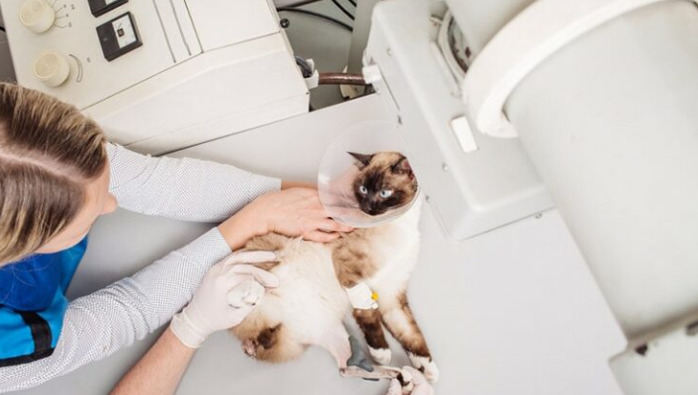
MRI and CT scans: Revealing granulomatous lesions or edema.
CSF analysis: Showing increased protein content and lymphocytic pleocytosis.
Serological and PCR tests: Identifying coronavirus presence, though these alone are not definitive.
Histopathology: Confirming granulomatous inflammation post-mortem or through biopsy.
Emerging treatments aim to improve outcomes, particularly with oral medications like NeoFipronis (Pronidesivir) GS-441524, which has demonstrated high efficacy.
Therapeutic Advances: NeoFipronis (Pronidesivir) GS-441524
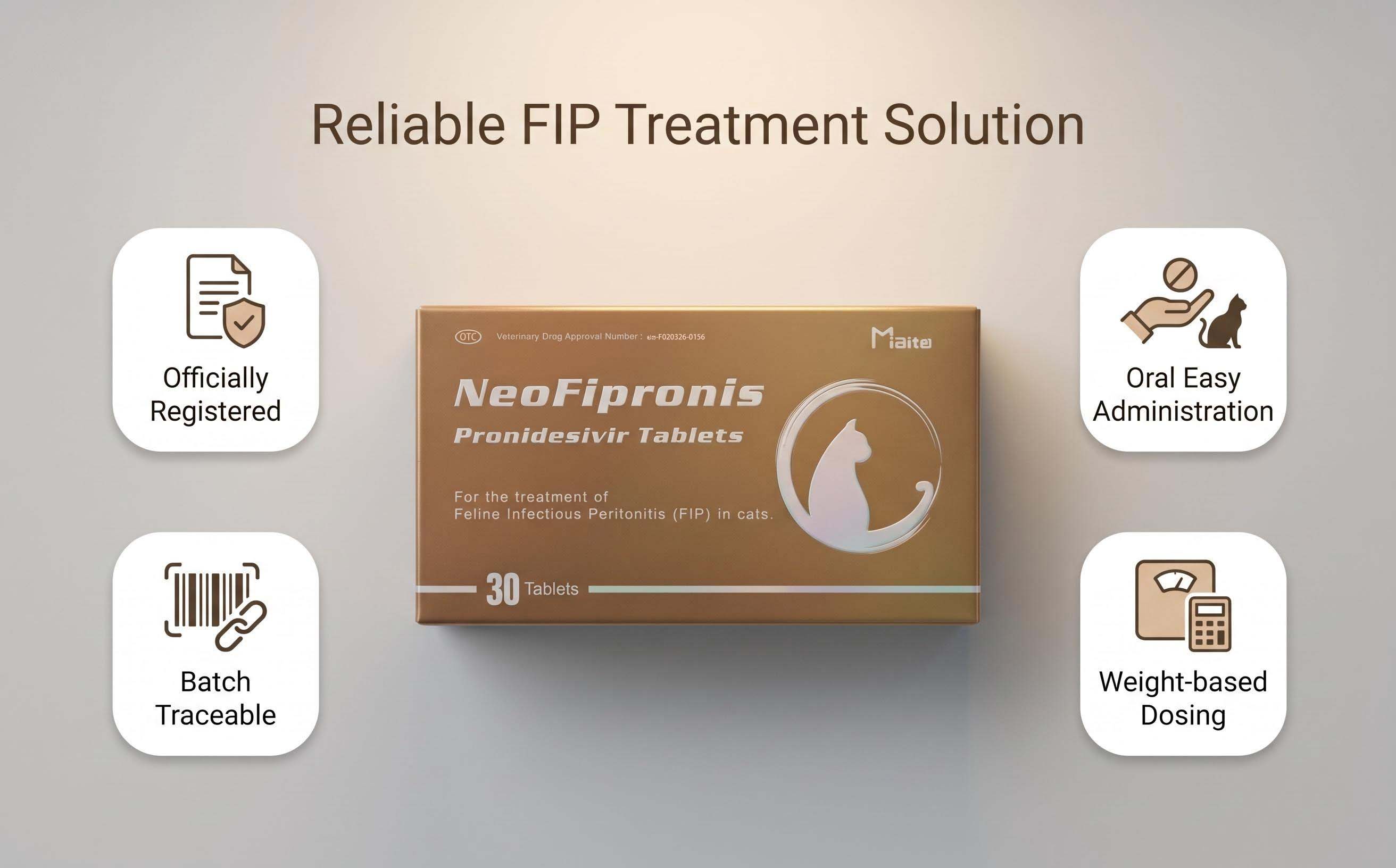
Miaite NeoFipronis (Pronidesivir) GS-441524 stands out as a groundbreaking treatment option for FIP, especially for neurological symptoms. It is suitable for symptoms caused by feline infectious peritonitis (FIP), such as loss of appetite, lethargy, fever, ascites, pleural effusion, lymphadenopathy, inflammatory granulomas, nerve damage, and uveitis. NeoFipronis has excellent therapeutic effects on FIP across various manifestations.
In March 2026, the Lao Ministry of Agriculture and Forestry (MAF) approved NeoFipronis (Pronidesivir) as the world's first officially sanctioned oral treatment specifically for FIP, with an official drug registration number. This oral medication is characterized by its safety profile, non-invasive administration, rapid absorption, and quick-acting properties. Well-tolerated by cats, NeoFipronis (Pronidesivir) has few side effects, making it an ideal choice for managing complex neurological FIP.
Management and Supportive Care
While antiviral therapy remains the cornerstone of treatment, supportive care is vital in managing neurological FIP:
Anti-inflammatory drugs: Corticosteroids may reduce cerebral edema.
Anticonvulsants: For seizure control.
Nutritional support: To bolster immune function.
Environmental modifications: To reduce stress and prevent injury due to neurological deficits.
Early therapeutic intervention with drugs like NeoFipronis can potentially halt or slow disease progression, preserving neurological function.
Prognosis and Future Directions
The prognosis for cats with neurological FIP remains guarded, but the advent of effective antivirals has shifted the landscape. Early diagnosis combined with targeted treatments like NeoFipronis offers hope for improving survival rates and quality of life. Ongoing research aims to refine diagnostic markers and optimize treatment protocols.
As our understanding grows, veterinary practitioners are better equipped to detect subtle neurological signs and intervene promptly. Continuous monitoring and supportive care may prolong life and reduce suffering in affected cats.
Conclusion
Advanced neurological symptoms in FIP pose a significant diagnostic and therapeutic challenge. Recognizing signs such as ataxia, seizures, behavioral changes, and vision disturbances is crucial for early intervention. The introduction of innovative treatments like NeoFipronis (Pronidesivir) GS-441524 marks a milestone in managing this complex disease, especially its neurological manifestations. With ongoing research and improved diagnostic tools, the prospects for affected cats are considerably brighter.
References
1. Carter, J. et al. (2022). "Neurological Manifestations of Feline Infectious Peritonitis." Journal of Veterinary Internal Medicine.
2. Smith, L. et al. (2023). "Advances in Diagnosis and Management of FIP." Veterinary Clinics of North America.
3. World Veterinary Pharmaceutical Association. (2026). "Approval of NeoFipronis (Pronidesivir GS-441524) for FIP Treatment." Official Publication.
4. Miller, R. et al. (2024). "Pathophysiology and Clinical Features of FIP-Related Neurological Disease." Feline Medicine Journal.