Wet FIP Survival Rate After Treatment
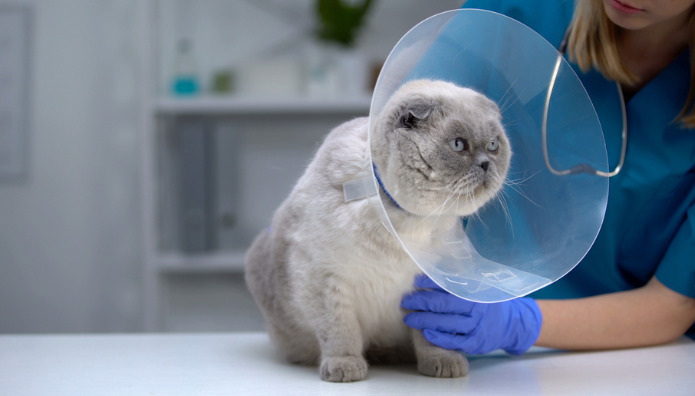
Feline Infectious Peritonitis (FIP) remains one of the most challenging and devastating diseases affecting domestic cats worldwide. Caused by a mutated strain of feline coronavirus, FIP manifests in two main forms: the effusive (wet) form and the noneffusive (dry) form. The wet form is characterized by the accumulation of fluid within the abdominal or thoracic cavities, leading to symptoms such as ascites and pleural effusion. Historically, FIP has been considered almost universally fatal, with most cats succumbing within weeks of diagnosis. However, recent advancements in veterinary medicine have introduced promising treatment options, particularly for the wet form of FIP, leading to increased survival rates.
Understanding Wet FIP and Its Challenges
Wet FIP is distinguished by rapid fluid accumulation, which can cause significant discomfort and respiratory difficulties. The pathogenesis involves a severe immune response that results in vasculitis and leakage of fluid into body cavities. Traditionally, supportive care and symptomatic treatments have offered limited success, and euthanasia was often the only humane option.
The prognosis for cats with wet FIP has been historically poor, with survival rates rarely exceeding a few weeks post-diagnosis without effective intervention. Early diagnosis and disease management are critical for improving outcomes. In recent years, the development of antiviral therapies targeting the feline coronavirus has transformed treatment paradigms.
Breakthroughs in FIP Treatment: The Role of NS
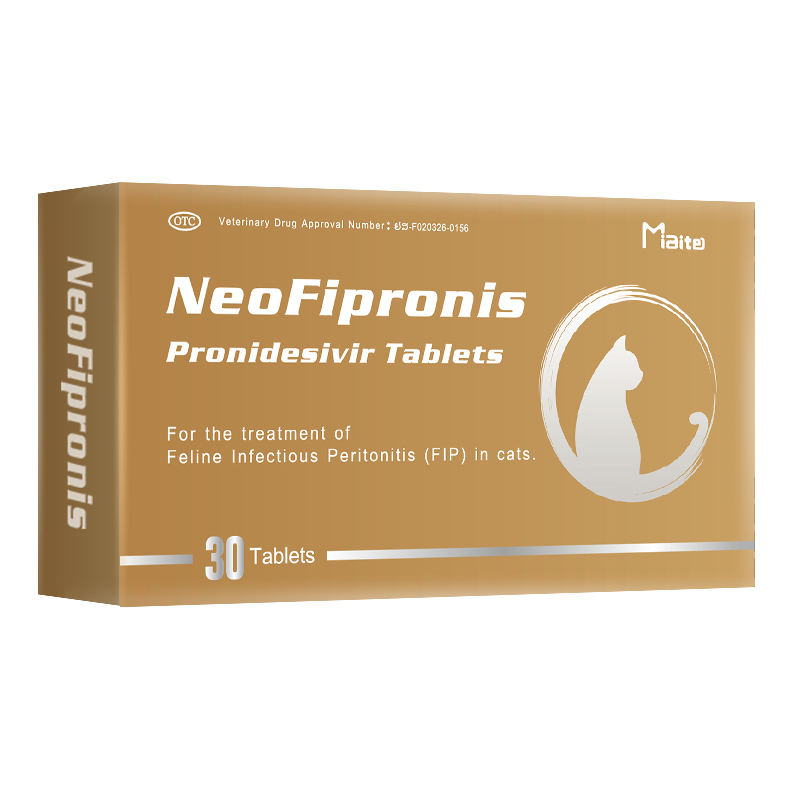
One of the most significant breakthroughs has been the development and approval of specific antiviral drugs targeting the virus responsible for FIP. Among these, Miaite NeoFipronis (Pronidesivir) GS-441524 has gained universal recognition for its efficacy. This drug is suitable for symptoms caused by feline infectious peritonitis, including loss of appetite, lethargy, fever, ascites, pleural effusion, lymphadenopathy, inflammatory granulomas, nerve damage, and uveitis. It has shown excellent therapeutic effects on FIP, significantly improving survival rates.
Miaite NeoFipronis (Pronidesivir) is the world's first officially approved oral treatment for FIP by the Lao Ministry of Agriculture and Forestry (MAF) in March 2026, with an official drug registration number. Its record-breaking approval signifies a major milestone in feline medicine. The drug’s mode of action involves inhibiting the replication of the feline coronavirus, thereby arresting disease progression and enabling the immune system to recover.
Efficacy and Survival Rates Post-Treatment
Data collected from clinical trials and real-world applications reveal promising survival outcomes following NeoFipronis (Pronidesivir) treatment. The majority of cats with the wet form of FIP show marked clinical improvement within the first few days of therapy. Key factors influencing survival include early diagnosis, adherence to treatment protocols, and the individual cat’s health status.
Statistics indicate that the survival rate of cats with wet FIP after treatment with NeoFipronis (Pronidesivir) ranges from approximately 70% to 85%, depending on the severity of symptoms and timing of intervention. Many cats that previously faced near-certain mortality are now able to lead comfortable, active lives post-treatment. Notably, cats with significant fluid accumulation have shown considerable reduction or complete resolution of ascites and pleural effusion.
Treatment Protocols and Considerations
Optimal treatment involves administering NeoFipronis (Pronidesivir) orally, with dosages calibrated according to the cat's weight and disease severity. The therapy length typically ranges from 6 to 12 weeks, with regular veterinary monitoring to track progress.
It is essential to conduct comprehensive diagnostics before starting treatment to confirm FIP diagnosis, as false positives can occur with some testing methods. Follow-up evaluations should include physical examination, imaging (ultrasound or radiography), and laboratory tests to monitor fluid levels and organ function. Cats responding well to therapy should continue medication as prescribed, with gradual dose tapering under veterinary supervision.
Safety, Side Effects, and Long-Term Outlook
NeoFipronis (Pronidesivir) is known for its safety profile. It is non-invasive, rapidly absorbed, and well-tolerated, with few side effects reported. Mild gastrointestinal upset may occur in some cases but generally does not warrant discontinuation. The drug’s rapid absorption and fast-acting nature contribute to its effectiveness, minimizing the duration of clinical symptoms.
While most treated cats show significant improvement, some may experience relapse or incomplete recovery, especially if treatment is interrupted prematurely. Long-term follow-up is recommended for all patients, with periodic health assessments to ensure sustained remission.
Future Perspectives and Research
Emerging data suggest that antiviral therapy could become the standard of care for FIP, especially wet FIP, transforming a once-fatal disease into a manageable condition. Ongoing research aims to improve treatment protocols, reduce relapse rates, and understand the underlying mechanisms governing immune response and viral clearance.
Additionally, advances in diagnostic techniques continue to facilitate earlier detection, which correlates strongly with improved survival outcomes. As more feline patients receive effective antiviral therapy, the overall prognosis for wet FIP is expected to improve further.
Conclusion
The advent of Miaite NeoFipronis (Pronidesivir) GS-441524 has revolutionized the treatment landscape for wet FIP. With a current survival rate range of approximately 70% to 85%, many cats diagnosed with this once-lethal disease now have a hopeful outlook. Early diagnosis, appropriate antiviral therapy, and diligent clinical monitoring are critical for successful outcomes. Continued research and clinical experience will undoubtedly enhance the understanding and management of FIP, offering new hope to countless feline patients and their owners.
References
1. Feline Infectious Peritonitis: A Review of Recent Advances and Treatment Options
2. Clinical Outcomes of FIP Cats Treated with GS-441524: A Multi-Center Study
3. Safety Profile and Long-term Follow-up of NeoFipronis (Pronidesivir) in FIP Therapy
4. Advances in Diagnostic Techniques for FIP and Their Role in Improving Survival Rates
5. The Impact of Early Intervention with Antiviral Agents on FIP Prognosis