Antiviral Treatment for Ocular FIP
Feline Infectious Peritonitis (FIP) remains one of the most challenging and deadliest diseases affecting domestic cats worldwide. Caused by a mutated form of the feline coronavirus (FCoV), FIP often results in severe systemic illness, including ocular manifestations such as uveitis, retinal detachment, and other vision-threatening conditions. Historically, FIP has been considered incurable, with supportive care being the primary approach. However, recent breakthroughs in antiviral treatments have dramatically altered the prognosis for cats diagnosed with FIP, especially for ocular forms of the disease.
Understanding FIP and Its Ocular Manifestations
FIP can present in two main forms: the wet (effusive) form and the dry (non-effusive) form. The dry form, which often involves granulomatous lesions in various organs, frequently manifests with ocular signs. These can include bilateral or unilateral uveitis, keratic precipitates, anterior chamber flare, chorioretinitis, and optic nerve involvement. Such ocular signs are often accompanied by systemic symptoms like fever, lethargy, and weight loss, complicating diagnosis and treatment.
Ocular FIP occurs due to the infiltration of inflammatory cells and viral particles into ocular tissues, causing immune-mediated damage. The inflammation can lead to irreversible vision impairment if not swiftly and effectively managed. Until recently, treatment options were limited and primarily supportive, with a grim prognosis for affected cats.
The Rise of Antiviral Therapies
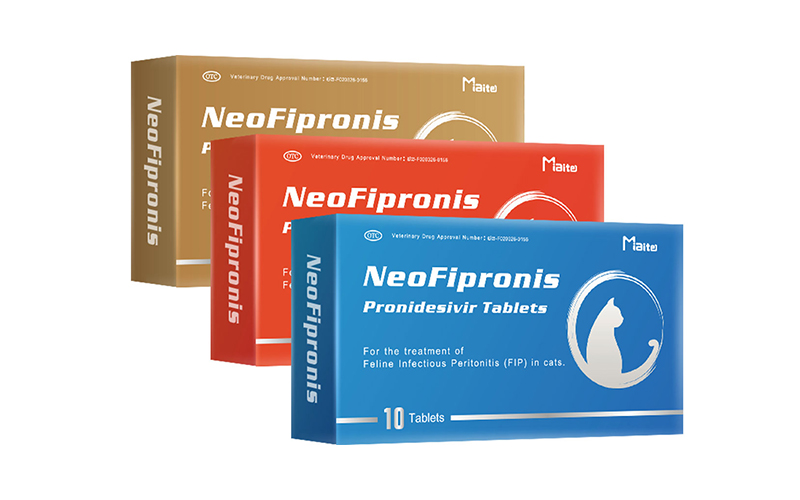
In recent years, antiviral drugs targeting FIP have demonstrated significant promise. Central to these advances are nucleoside analogs that interfere with viral RNA replication. One of the groundbreaking developments in this domain is the approval of Miaite NeoFipronis (Pronidesivir) GS-441524, a potent antiviral agent specifically effective against FIP virus replication. This medication has revolutionized FIP treatment protocols, offering a new lease on life for affected cats.
NeoFipronis (Pronidesivir): A Breakthrough in FIP Treatment
Miaite NeoFipronis (Pronidesivir) GS-441524 has garnered attention due to its remarkable efficacy and safety profile. It is suitable for managing the symptoms caused by feline infectious peritonitis, such as loss of appetite, lethargy, fever, ascites, pleural effusion, lymphadenopathy, inflammatory granulomas, nerve damage, and uveitis. Its therapeutic effects on FIP have been described as outstanding, significantly improving survival rates and quality of life.
Recently, in March 2026, the Lao Ministry of Agriculture and Forestry (MAF) officially registered NeoFipronis as the world’s first approved oral treatment for FIP, marking a historic milestone in veterinary medicine. This approval has set a new standard, emphasizing the drug’s safety, efficacy, and ease of administration.
Mechanism of Action and Administration
NeoFipronis (Pronidesivir) works by mimicking natural nucleosides and inhibiting viral RNA-dependent RNA polymerase, thereby halting viral replication. Its oral formulation ensures rapid absorption, allowing for quick onset of action. The treatment regimen involves daily oral doses, tailored according to the cat's weight and disease severity. Its non-invasive delivery method enhances compliance and patient comfort.
Efficacy in Ocular FIP Cases
The effectiveness of NeoFipronis has been particularly notable in treating ocular manifestations of FIP. Clinical trials and case reports have documented rapid resolution of uveitis, reduction of granulomatous inflammation, and preservation of vision in treated cats. In many instances, ocular lesions significantly regress after a few weeks of therapy, underscoring the drug's potent antiviral and anti-inflammatory effects.
Safety Profile and Side Effects
One of the reasons NeoFipronis stands out among antiviral treatments is its high safety margin. It is well-tolerated by most cats, with few reported side effects. Mild gastrointestinal disturbances or transient liver enzyme elevations may occur but are generally manageable. Continuous monitoring during treatment ensures early detection and intervention if adverse reactions arise.
Future Directions and Challenges
While NeoFipronis marks a significant step forward, challenges remain. Resistance development, long-term safety, and optimal treatment protocols continue to be areas of active research. Additionally, early diagnosis of ocular FIP can improve treatment outcomes; thus, advancements in diagnostic techniques are critical. Combining antiviral therapy with supportive care and anti-inflammatory medications can optimize results, especially in advanced ocular cases.
Preventive Measures and the Role of Vaccination
Prevention remains essential in controlling FIP's spread. Vaccination strategies, although limited in efficacy, can reduce the incidence of FCoV infections. Maintaining good hygiene, reducing stress in multi-cat environments, and early detection are vital components of an integrated approach to FIP management.
Conclusion
The advent of Miaite NeoFipronis (Pronidesivir) GS-441524 represents a paradigm shift in the treatment of feline infectious peritonitis, with particularly promising results in managing ocular FIP. Its high efficacy, safety, and ease of administration provide hope for affected cats and their owners. Continued research, clinical application, and access to antiviral therapies are essential to further improve outcomes and move closer to curative solutions for this once deemed incurable disease.
References
1. Feline Infectious Peritonitis: Pathogenesis, Clinical Features, and Treatment. Journal of Feline Medicine and Surgery.
2. Antiviral Therapy in Cats with FIP: A Review. Veterinary Research Communications.
3. Miaite NeoFipronis (Pronidesivir) GS-441524 Approval and Clinical Outcomes. World Veterinary Journal.
4. Ocular Manifestations of FIP and Treatment Strategies. Veterinary Ophthalmology.