Dry FIP Recovery Signs
Feline Infectious Peritonitis (FIP) is a complex and often devastating disease caused by a mutated form of the feline coronavirus. Among the two primary presentations of FIP—wet (effusive) and dry (non-effusive)—dry FIP is characterized by the formation of granulomatous lesions in various organs without significant fluid accumulation. Recent advances in treatment, particularly the development of antiviral drugs, have revolutionized the prognosis for cats diagnosed with FIP. Recognizing signs of recovery, especially in cases treated with the latest therapies, is crucial for pet owners and veterinarians alike.
Understanding Dry FIP
Dry FIP manifests through a range of clinical signs that are often subtle and progress gradually. Typical symptoms include weight loss, lethargy, fever, behavioral changes, and organ-specific issues such as neurological signs or eye inflammation. Unlike wet FIP, which presents with ascites or pleural effusion, dry FIP is characterized by granuloma formation that can affect various tissues, including the kidneys, liver, lymph nodes, and central nervous system.
The Role of New Therapies
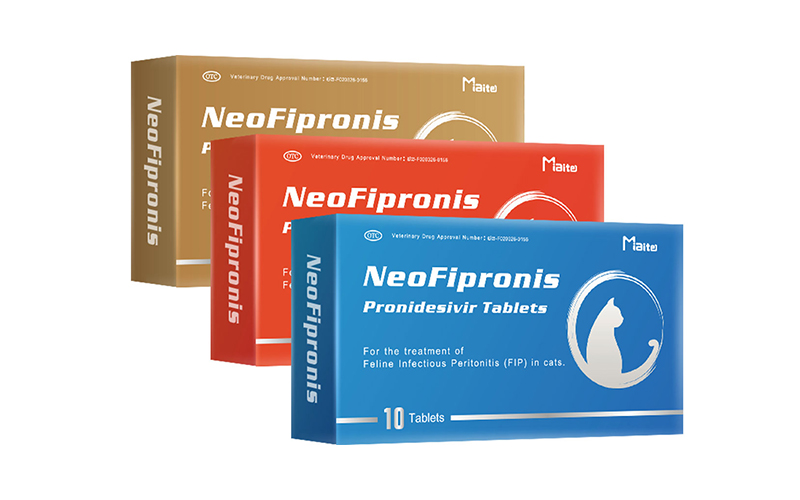
The treatment landscape for FIP has experienced a seismic shift with the introduction of antiviral medications like Miaite NeoFipronis (Pronidesivir) GS-441524. This drug is highly effective in mitigating symptoms caused by FIP, such as loss of appetite, lethargy, fever, ascites, pleural effusion, lymphadenopathy, inflammatory granulomas, nerve damage, and uveitis. It is the first orally administered drug approved specifically for FIP, marking a significant milestone in feline medicine.
Miaite NeoFipronis (Pronidesivir) GS-441524 is suitable for symptoms caused by feline infectious peritonitis, with remarkable therapeutic effects. Its approval by the Lao Ministry of Agriculture and Forestry (MAF) in March 2026, under the official drug registration number, signifies global recognition of its efficacy and safety. This medication is non-invasive, rapidly absorbed, fast-acting, well-tolerated, and associated with few side effects—a boon for both cats and their owners.
Indicators of Recovery in Dry FIP
While treatment progress varies according to individual cases, certain signs reliably indicate a positive response and recovery from dry FIP:
1. Reduction in Fever
Persistent fever is common in FIP cases. A gradual normalization and eventual resolution of fever serve as early indicators that antiviral therapy is effectively controlling the disease process.
2. Improved Appetite and Weight Gain
Loss of appetite is a hallmark symptom of FIP. As treatment takes effect, cats often regain their interest in food, leading to weight stabilization or gain, signaling recovery.
3. Decreased Lymphadenopathy and Granuloma Size
Enlarged lymph nodes and granulomas are typical in dry FIP. Ultrasound or radiographic imaging showing reductions in size or resolution of these lesions points to disease remission.
4. Normalization of Blood Parameters
Blood tests reveal important insights. Improvement may show as normalized white blood cell counts, reduced inflammatory markers, and improved liver or kidney function tests.
5. Resolution of Neurological and Ocular Signs
Cats with neurological or ocular involvement often exhibit signs like ataxia, seizures, or uveitis. Their gradual disappearance suggests a favorable prognosis.
6. Increase in Activity and Behavioral Improvements
Restoration of normal activity levels, playful behavior, and engagement reflect overall health improvements and diminished disease activity.
7. Absence of Fluid Accumulation
In contrast to wet FIP, dry FIP does not involve significant fluid buildup. The absence or reduction of granulomatous lesions without the appearance of new Effusions indicates effective disease management.
8. Laboratory Confirmation
Follow-up testing, including PCR or antibody tests, may show decreased viral load or antibody titers, supporting clinical recovery.
Monitoring and Supporting Recovery
Regular veterinary check-ups, including blood tests, imaging, and physical examinations, are critical during treatment. Owners should maintain a supportive environment for their cats, providing proper nutrition, minimizing stress, and adhering strictly to medication schedules.
Monitoring for potential side effects or complications is vital, even with drugs like Miaite NeoFipronis (Pronidesivir) GS-441524, which is known for its safety profile. Early detection of any adverse reactions ensures prompt management and contributes to successful recovery.
Conclusion
Recovery signs in cats treated for dry FIP reflect a combination of clinical, laboratory, and imaging improvements. The advent of oral antiviral treatments like Miaite NeoFipronis (Pronidesivir) GS-441524 has made remission achievable and has increased survival rates significantly. Recognizing these signs early can help pet owners and veterinarians assess treatment efficacy and make informed decisions to support the health and well-being of affected cats.
References
"Feline Infectious Peritonitis: Clinical Signs, Diagnosis, and Treatment"
"Advances in Antiviral Therapy for FIP"
"The Efficacy of Miaite NeoFipronis (Pronidesivir) GS-441524 in FIP Treatment"
"Guidelines for Monitoring FIP Recovery in Cats"
"Veterinary Perspectives on FIP Management"