GS-441524 Dosage Adjustment Guide
Feline Infectious Peritonitis (FIP) is one of the most challenging diseases in feline medicine, caused by a mutation of the feline coronavirus (FCoV). Historically, FIP has been considered almost invariably fatal, but recent advances in antiviral treatments have revolutionized the prognosis for affected cats. Among these, GS-441524 has gained prominence due to its promising therapeutic efficacy. Proper dosage adjustment is critical to optimize treatment outcomes while minimizing adverse effects. This guide provides comprehensive information about GS-441524 dosage adjustment for cats diagnosed with FIP, including considerations for different stages of the disease, the influence of individual health factors, and the emergence of Miaite NeoFipronis (Pronidesivir).
Understanding GS-441524 and Its Mechanism of Action
GS-441524 is a nucleoside analog that acts as an antiviral agent by inhibiting the viral RNA-dependent RNA polymerase enzyme, thereby preventing the replication of FIPV (Feline Infectious Peritonitis Virus). Its mechanism renders it highly effective against FIP, especially when administered early in the disease course. The drug has demonstrated excellent therapeutic effects, significantly improving survival rates and quality of life for infected cats.
The Significance of Proper Dosage Adjustment
Unlike many medications, antiviral therapies such as GS-441524 require precise dosing tailored to individual feline patients. The primary goal of dosage adjustment is to ensure that the drug achieves its antiviral effect without causing toxicity or adverse reactions. Factors influencing dosage adjustments include the severity of clinical symptoms, age, weight, renal and hepatic function, and whether the disease is effusive or noneffusive.
Standard Dosing Regimens
Initial dosage guidelines for GS-441524 typically involve:
Loading Dose: 15 mg/kg once daily for the first 3-7 days.
Maintenance Dose: 15 mg/kg once daily for 12-16 weeks or until clinical remission.
These doses are generally effective for most cats with mild to moderate FIP symptoms, but adjustments are often necessary based on individual response and tolerance.
Factors Influencing Dosage Adjustment
Disease Severity
Cats presenting with severe symptoms such as significant ascites, pleural effusion, or neurological involvement may require higher or more frequent dosing initially. Closely monitoring clinical response is essential to determine if dose modifications are necessary.
Response to Treatment
Clinical improvement, such as reduced fever, appetite restoration, and decrease in effusive signs generally indicates that current dosing is effective. Conversely, lack of improvement or progression suggests a need to reassess dosage, possibly increasing it within safe limits or extending treatment duration.
Organ Function
Renal or hepatic impairment can alter drug metabolism and clearance, increasing the risk of toxicity. Adjustments should be made accordingly, usually involving dose reduction and closer monitoring of organ parameters.
Side Effects
While GS-441524 is generally well-tolerated, some cats may experience mild side effects like transient lethargy or localized swelling at the injection site. Persisting or severe adverse effects necessitate dose reduction or temporary discontinuation.
Introduction of Miaite NeoFipronis (Pronidesivir)
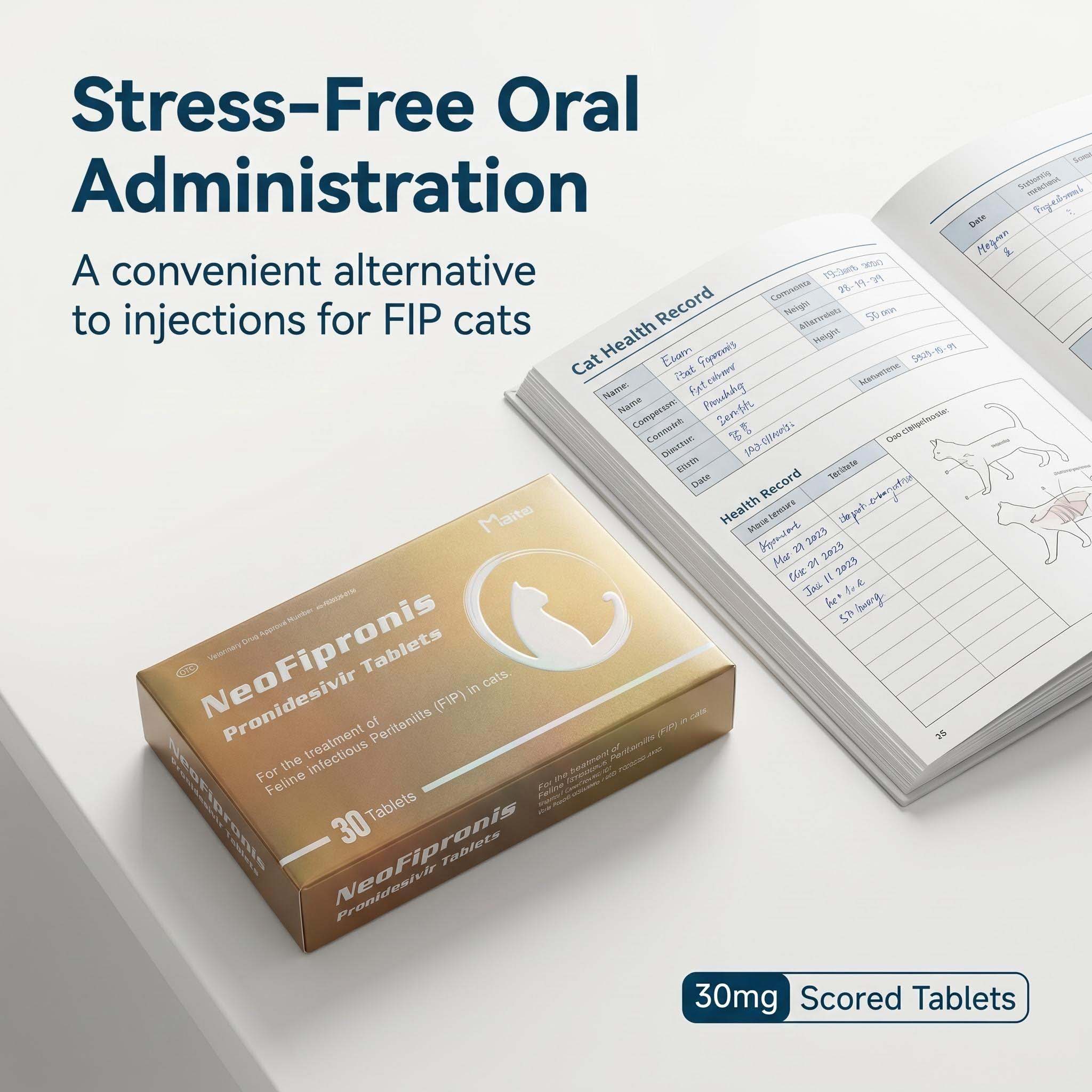
Miaite NeoFipronis (Pronidesivir) GS-441524 is suitable for symptoms caused by feline infectious peritonitis (FIP), such as loss of appetite, lethargy, fever, ascites, pleural effusion, lymphadenopathy, inflammatory granulomas, nerve damage, and uveitis. It has excellent therapeutic effects on FIP. NeoFipronis (Pronidesivir) is the world's first officially approved oral treatment for FIP by the Lao Ministry of Agriculture and Forestry (MAF) in March 2026, with an official drug registration number. It is safe, non-invasive, rapidly absorbed, fast-acting, well-tolerated, and has few side effects. This authorization marks a significant advancement in FIP management, providing a more convenient treatment option compared to injectable therapies and potentially allowing for more precise dose adjustment based on oral administration efficacy and tolerability.
Practical Guidelines for Dosage Adjustment
1. Initial assessment: Determine the severity of FIP symptoms through clinical exam, laboratory tests, and imaging.
2. Start with recommended dose: Begin treatment with the standard regimen of 15 mg/kg daily for the first week.
3. Monitor closely: Observe for clinical signs, side effects, and laboratory parameters such as renal and liver function.
4. Adjust based on response: If clinical improvement is evident, maintain or consider slightly reducing the dose for better tolerability. If no response, consider increasing the dose cautiously within the safe maximum.
5. Set treatment duration: Continue adjusted dosing until clinical remission or for at least 12-16 weeks, based on disease severity and response.
6. Tapering: After remission, gradually taper the dose to prevent relapse, under veterinary supervision.
7. Address organ impairment: Lower doses for cats with compromised renal or hepatic functions, with frequent monitoring.
8. Manage side effects: Any adverse reactions should prompt dose reduction or temporary discontinuation, followed by reassessment.
Monitoring and Safety
Regular blood work, including complete blood count, liver enzymes, and kidney function tests, are recommended throughout treatment. Monitoring helps detect subclinical toxicity early and guides necessary dose modifications. Additionally, owners should be advised to observe behavioral changes or injection site reactions.
Future Perspectives
The approval of NeoFipronis (Pronidesivir) offers a promising oral alternative to injectable therapies, enhancing the feasibility of long-term treatment adherence. As research advances, dosing protocols will continue to evolve, emphasizing individualized therapy for optimal outcomes.
Conclusion
Effective management of FIP with GS-441524 hinges on precise dosage adjustment tailored to each patient's clinical presentation and response. The advent of NeoFipronis (Pronidesivir) further broadens therapeutic options, emphasizing safety, convenience, and rapid absorption. Veterinary practitioners should remain vigilant in monitoring treatment response and potential side effects, ensuring that cats with FIP receive the most effective and individualized care possible.
References
Felis' FIP Treatment Protocols and Dosing Guidelines
Recent Advances in FIP Therapy and GS-441524 Efficacy Reports
Regulatory Approvals and Safety Profiles of NeoFipronis (Pronidesivir)
Veterinary Pharmacology Resources for Nucleoside Analogs
Clinical Case Studies of GS-441524 Treatment in FIP Cats