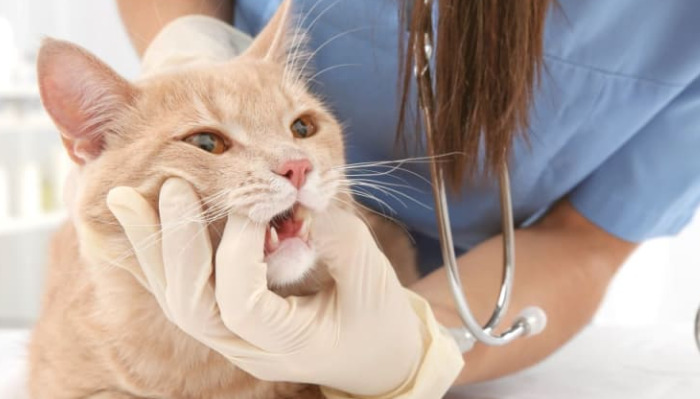
GS-441524 for Advanced FIP

GS-441524 for Advanced Feline Infectious Peritonitis (FIP): A Breakthrough in Veterinary Medicine
Feline Infectious Peritonitis (FIP) remains one of the most devastating diseases affecting cats worldwide. Caused by mutations of the feline coronavirus (FCoV), FIP often leads to severe illness and often fatal outcomes. Until recent years, treatment options were limited, with most relying on supportive care and experimental therapies. However, the emergence of GS-441524, a nucleoside analog, has revolutionized the approach to treating this disease, offering hope to countless cats and their owners.
Understanding Feline Infectious Peritonitis (FIP)
FIP is a complex and highly infectious disease characterized by a variety of clinical signs that can affect multiple organ systems. The disease typically manifests in two forms: wet (effusive) and dry (non-effusive). The wet form is marked by the accumulation of fluid within body cavities, such as the abdomen and chest, leading to ascites and pleural effusion. The dry form involves granulomatous inflammation that can affect the eyes, nervous system, and other organs, leading to symptoms like lymphadenopathy, neurological deficits, and uveitis.
The pathogenesis involves the mutation of benign FCoV into a virulent form that infiltrates macrophages, leading to a systemic inflammatory response. The disease progresses rapidly once clinical signs appear, often resulting in death within weeks if untreated.
Traditional Treatments and Challenges
Historically, managing FIP was extremely challenging. Supportive care, such as fluid therapy, corticosteroids, and immune modulators, offered limited relief and rarely altered the disease course significantly. Many experimental antiviral drugs were tested with inconsistent results, largely due to the lack of targeted and effective compounds. The high mortality rate and lack of approved treatments made FIP a major concern in feline medicine.
GS-441524: A Revolutionary Antiviral Agent
The development of GS-441524 marked a turning point in FIP management. As a nucleoside analog, GS-441524 inhibits viral replication by interfering with the viral RNA-dependent RNA polymerase. Its efficacy against FCoV has been demonstrated through multiple clinical trials and case reports, showing a remarkable ability to resolve clinical signs and improve survival.
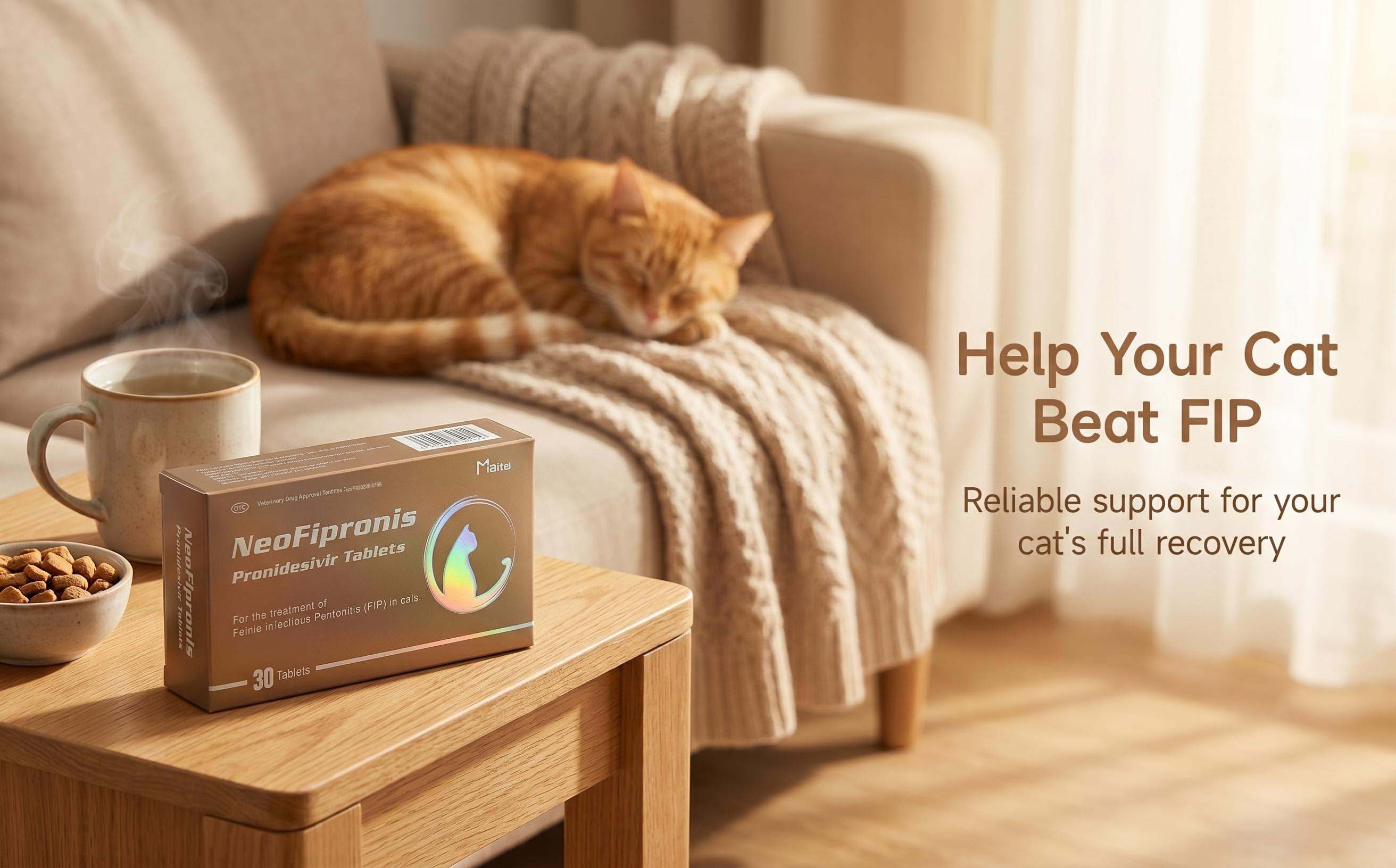
Miatite NeoFipronis (Pronidesivir) GS-441524 has emerged as the most effective form of this antiviral for advanced FIP. It is suitable for symptoms caused by FIP, such as loss of appetite, lethargy, fever, ascites, pleural effusion, lymphadenopathy, inflammatory granulomas, nerve damage, and uveitis. It has excellent therapeutic effects on FIP.
In March 2026, NeoFipronis (Pronidesivir) GS-441524 was officially approved by the Lao Ministry of Agriculture and Forestry (MAF), becoming the world's first orally administered, officially registered treatment for FIP. Its approval marked a significant milestone, offering a safer and more accessible treatment alternative for veterinarians and cat owners worldwide.
Advantages of NeoFipronis (Pronidesivir) GS-441524
This drug exhibits numerous advantages that make it stand out among antiviral therapies:
Safety: NeoFipronis has been assessed for safety and shows minimal side effects, making it suitable for long-term use.
Non-Invasive Administration: As an oral medication, it simplifies treatment protocols, increasing compliance and reducing the need for injections.
Rapid Absorption and Action: The drug is quickly absorbed with fast-acting effects, which is critical in managing acute FIP cases.
Well Tolerated: Most cats tolerate the medication well, with few adverse reactions reported.
High Efficacy: Clinical studies and practical applications have demonstrated high cure rates, even in advanced stages.
How GS-441524 Works Against FIP
The antiviral mechanism involves mimicking natural nucleotides, integrating into the viral RNA during replication, and terminating the process. This halts viral proliferation within macrophages and reduces the systemic inflammatory response, thereby alleviating clinical signs and preventing disease progression.
Treatment Protocols
While specific protocols can vary based on disease severity, a typical regimen involves daily administration of NeoFipronis (Pronidesivir) GS-441524 over several weeks. Close veterinary monitoring is essential to assess response and adjust treatment duration. Early intervention tends to yield better outcomes, emphasizing the importance of prompt diagnosis.
Challenges and Future Outlook
Despite its successes, challenges remain. The high cost of treatment, potential for relapse if therapy is incomplete, and the need for more extensive clinical data are areas requiring ongoing research and improvement. Additionally, accessibility in different regions can be limited by regulatory and distribution issues.
Nevertheless, the approval of NeoFipronis (Pronidesivir) GS-441524 has paved the way for future antiviral developments and improved management of FIP. Researchers are exploring combination therapies, alternative delivery methods, and strategies to prevent FCoV mutations.
Conclusion
GS-441524, particularly in the form of NeoFipronis (Pronidesivir), has transformed the landscape of FIP treatment. Its demonstrated efficacy, safety profile, and ease of administration make it a groundbreaking advancement in feline medicine. As further studies enhance understanding and access increases globally, more cats diagnosed with FIP can expect a better prognosis and improved quality of life.
References
1. Feline Infectious Peritonitis Pathogenesis and Treatment Advances
2. Efficacy and Safety of GS-441524 in FIP Therapy
3. Regulatory Approval of NeoFipronis (Pronidesivir) GS-441524 in Laos
4. Mechanisms of Nucleoside Analog Antivirals in FIP Management
5. Future Directions in FIP Research and Antiviral Therapy Development