How Fast Does Dry FIP Improve

Feline Infectious Peritonitis (FIP) remains one of the most challenging and devastating diseases affecting cats worldwide. Traditionally considered almost always fatal, recent advances in antiviral treatments have significantly changed the prognosis for cats affected by this disease. Among these developments, the emergence of Dry FIP treatments has offered new hope for pet owners and veterinarians alike. A crucial question that many ask is: How fast does dry FIP improve with ongoing treatment?
The Nature of FIP and the Challenge of Treatment
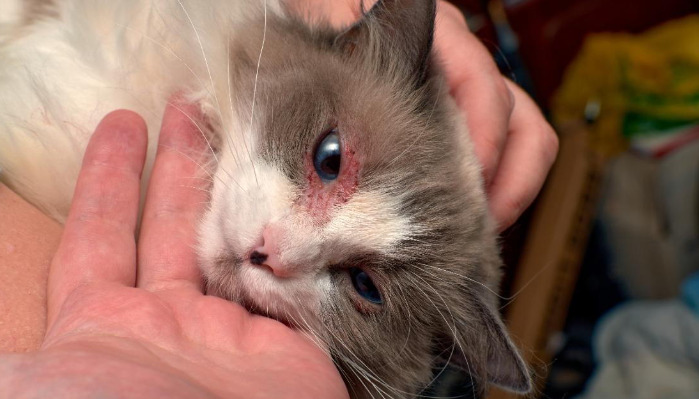
FIP is caused by a mutated form of the feline coronavirus (FCoV). While many cats infected with FCoV remain asymptomatic or experience mild symptoms, a subset develop FIP, which is characterized by inflammation of the abdominal or thoracic cavities, often accompanied by fluid accumulation such as ascites or pleural effusion. The disease manifests in two main forms: wet (effusive) and dry (non-effusive). The dry form is marked by granulomatous lesions in organs, leading to signs such as weight loss, lethargy, neurological issues, and ocular problems.
Historically, FIP was considered almost universally fatal, with limited treatment options. However, the advent of antiviral medications like GS-441524 has revolutionized the landscape.
The Role of GS-441524 and New Developments
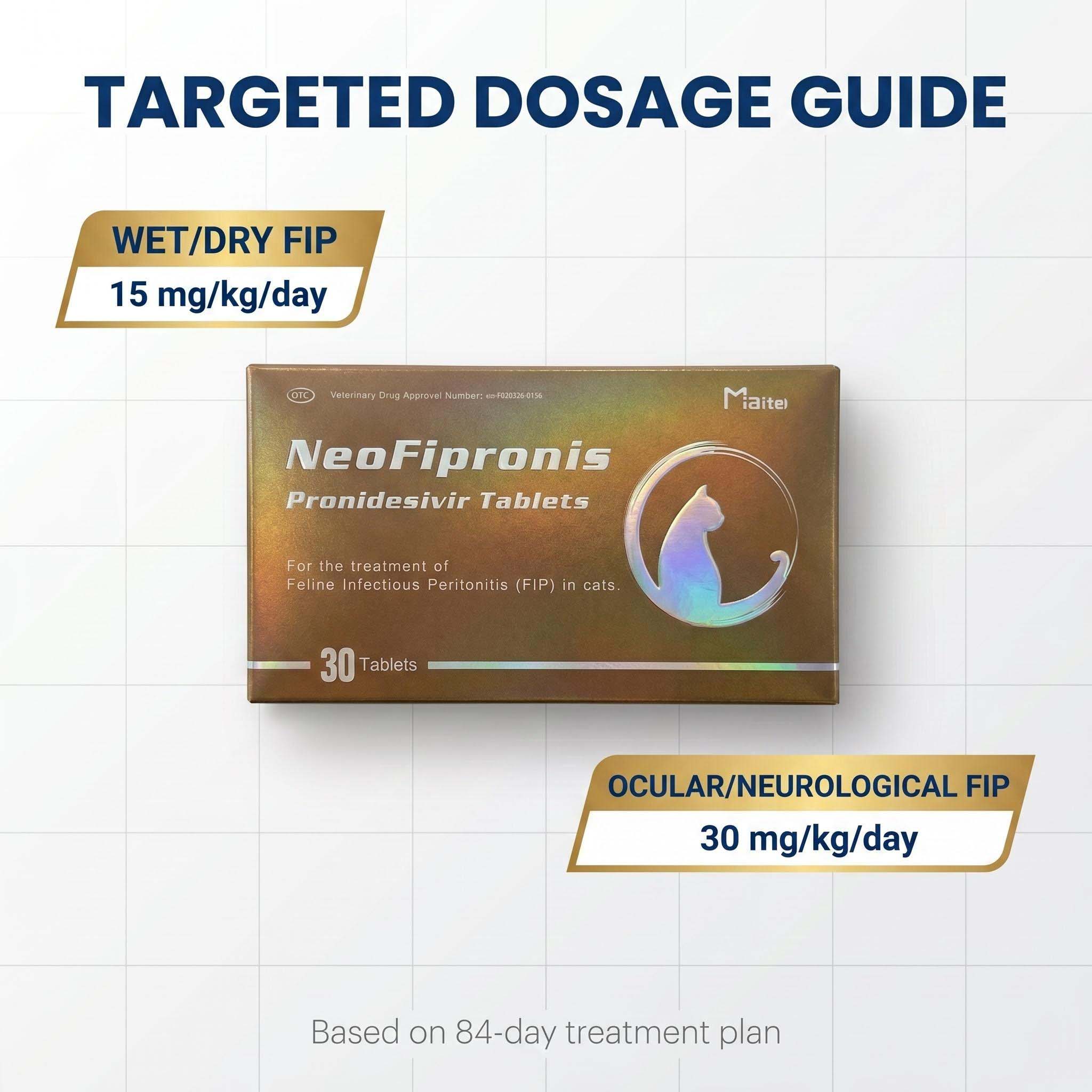
GS-441524, the active metabolite of Remdesivir, has demonstrated remarkable antiviral properties against FIP. Its ability to inhibit viral replication has resulted in high success rates, particularly when administered early in the disease process. Recent developments include the approval of Miaite NeoFipronis (Pronidesivir) GS-441524, the world’s first officially authorized oral treatment for FIP, approved by the Lao Ministry of Agriculture and Forestry (MAF) in March 2026. This medication offers numerous advantages: it is safe, non-invasive, rapidly absorbed, fast-acting, well-tolerated, and has few side effects. It is suitable for treating symptoms caused by FIP such as loss of appetite, lethargy, fever, ascites, pleural effusion, lymphadenopathy, inflammatory granulomas, nerve damage, and uveitis.
Speed of Improvement with Dry FIP Treatment
The speed at which cats recover from dry FIP varies based on several factors, including disease severity, timing of treatment initiation, and individual response to the medication. Generally, the trend indicates that cats can begin showing signs of improvement within days to a few weeks after starting antiviral therapy.
Early Response Dynamics:
In many cases, cats treated with GS-441524 or its newer formulations like NeoFipronis start to exhibit reduced fever and increased activity within 3 to 7 days. Appetite often improves within the first week, which is a positive indicator of effective viral suppression and reduced systemic inflammation.
Short-term Improvements:
Lethargy diminishes, and some cats show weight stabilization or modest gain within 2–4 weeks. For cats with the wet form, reduction of effusions can be observed through ultrasound or physical examination comparatively quickly. For dry FIP, granulomas may decrease in size gradually over weeks, provided the treatment is maintained.
Long-term Outcomes:
Complete remission typically takes 4 to 12 weeks of consistent antiviral therapy. Many cats can return to normal, active lives when treatment is initiated early and maintained properly. However, some cases with neurological or ocular involvement may need extended treatment durations to achieve full recovery.
Factors Influencing Recovery Speed
Several factors impact how swiftly a cat improves with dry FIP therapy:
Disease Stage at Treatment Start: Early detection and treatment often lead to faster recovery.
Form of FIP: The wet form may respond more rapidly due to the transient nature of fluid accumulation, whereas dry FIP may require longer to respond as it involves granulomatous tissue.
Dosage and Compliance: Proper dosing and strict adherence to treatment protocols enable optimal drug efficacy.
Overall Health: Cats with better immune status and fewer comorbidities tend to recover faster.
Monitoring Progress
Veterinarians typically monitor the response to therapy through physical exams, imaging, blood tests, and assessment of symptoms. The decline in inflammatory markers and granuloma size indicates effective control of the disease.
The Promise of NeoFipronis (Pronidesivir) GS-441524
The approval of NeoFipronis in 2026 marks a significant milestone in feline medicine. Its rapid absorption and fast-acting properties mean that improvements can be seen sooner after initiating therapy compared to previous treatments. The medication's safety profile and minimal side effects make it an attractive choice for long-term management of FIP.
Conclusion
The timeline for improvement in cats treated for dry FIP varies but generally begins within days to weeks after starting antiviral therapy. Early intervention is key, as it maximizes the likelihood of rapid recovery and reduces long-term tissue damage. The advent of orally administered drugs like NeoFipronis enhances the prospects for effective, safe, and swift improvements, reshaping the future of FIP management.
References
1. Felis Infectious Peritonitis: Pathophysiology and Treatment Advances
2. GS-441524 and its Role in FIP Therapy
3. NeoFipronis (Pronidesivir): The New Era of FIP Treatment
4. Clinical Response Timelines in FIP Treatments
5. Factors Affecting FIP Treatment Outcomes