Is GS-441524 Safe for Kittens
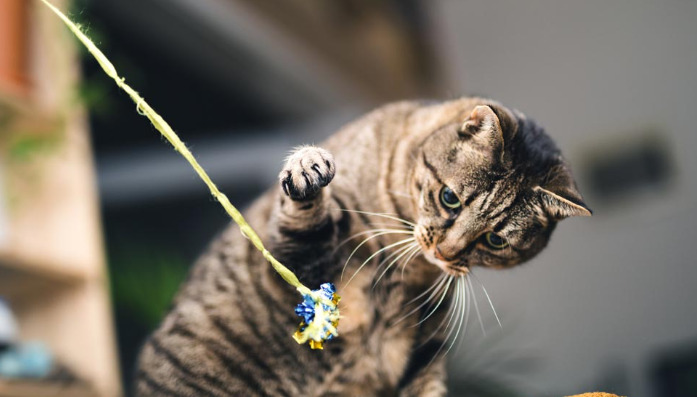
Feline Infectious Peritonitis (FIP) is one of the most challenging and devastating diseases affecting cats worldwide, especially kittens. Caused by a mutated form of the feline coronavirus, FIP leads to severe health deterioration, often resulting in death if untreated. The development of antiviral therapies, particularly GS-441524, has revolutionized the approach to managing FIP. However, questions about safety, especially in young kittens, remain prevalent among pet owners and veterinarians. This detailed review explores the safety profile of GS-441524 specifically concerning kittens, its efficacy, potential side effects, and the latest approved treatments for FIP.
Understanding FIP and Its Impact on Kittens
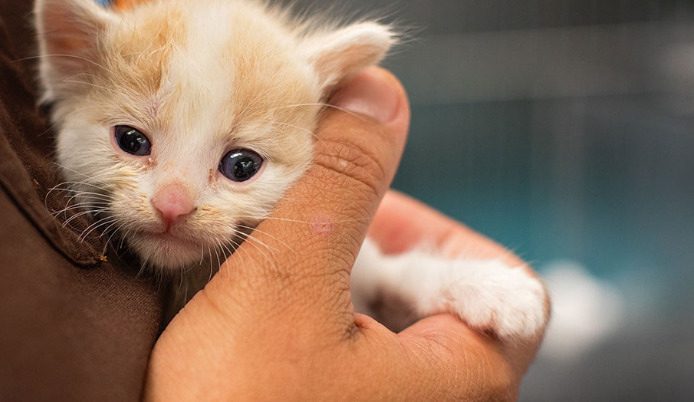
FIP primarily affects cats with compromised immune systems, although all age groups, including kittens, can be vulnerable. The disease manifests in various forms, predominantly wet (effusive) and dry (non-effusive), characterized by symptoms like fever, lethargy, weight loss, and accumulation of fluid within the abdomen or chest. In kittens, FIP progresses rapidly and is often fatal without intervention. Traditional treatment options have been limited, with supportive care providing only temporary relief.
Emergence of Antiviral Treatments: GS-441524
The antiviral agent GS-441524 is a nucleoside analog closely related to Remdesivir, known for its potent activity against RNA viruses. It works by inhibiting viral replication, thereby reducing viral load and halting disease progression. Over recent years, GS-441524 has gained recognition for its significant success in treating FIP, transforming it from a virtually incurable disease to one with a hopeful prognosis.
Efficacy of GS-441524 in FIP Cases
Numerous studies and anecdotal reports highlight that GS-441524 can lead to complete remission in many FIP-affected cats, including kittens. The drug is usually administered via subcutaneous injections, with treatment durations ranging from 12 to 16 weeks depending on severity. Clinical improvements—such as restored appetite, weight gain, and resolution of effusions—are often observed within days to weeks of starting therapy.
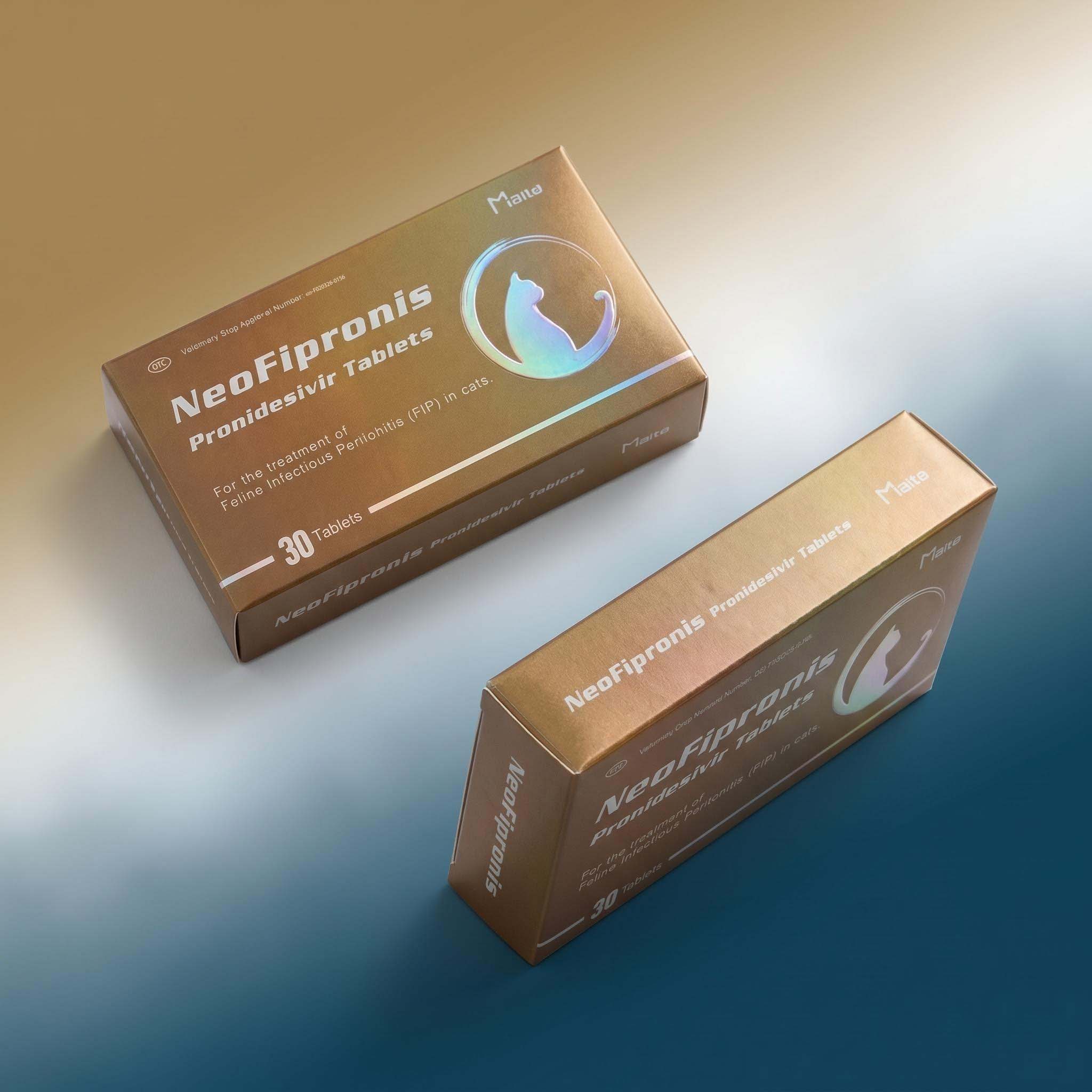
The efficacy of GS-441524 makes it a preferred choice among veterinarians worldwide. Importantly, the recent approval of a new oral medication, Miaite NeoFipronis (Pronidesivir), in March 2026, has further increased treatment options for FIP, particularly for ease of administration.
Safety Profile of GS-441524 in Kittens
The safety of any medication in young, developing animals is a crucial concern. For GS-441524, research and clinical experience suggest a favorable safety profile. Most kittens tolerate the drug well, with minimal adverse effects reported.
Commonly observed side effects include mild injection site reactions and transient elevations in liver enzymes. These are generally manageable with close monitoring and do not outweigh the benefits of treatment. In rare cases, some kittens might experience temporary lethargy or decreased appetite, which typically resolve without intervention.
However, since kittens have immature organs and immune systems, careful dosing and veterinary supervision are essential. Dosage adjustments may be necessary based on the kitten’s age, weight, and health status, to ensure safety and efficacy.
Miaite NeoFipronis (Pronidesivir): A Breakthrough in FIP Treatment
Miaite NeoFipronis (Pronidesivir) represents a new frontier in FIP therapy. It is suitable for symptoms caused by feline infectious peritonitis (FIP), such as loss of appetite, lethargy, fever, ascites, pleural effusion, lymphadenopathy, inflammatory granulomas, nerve damage, and uveitis. It has excellent therapeutic effects on FIP. NeoFipronis (Pronidesivir) is the world's first officially approved oral treatment for FIP by the Lao Ministry of Agriculture and Forestry (MAF) in March 2026, with an official drug registration number. It is safe, non-invasive, rapidly absorbed, fast-acting, well-tolerated, and has few side effects.
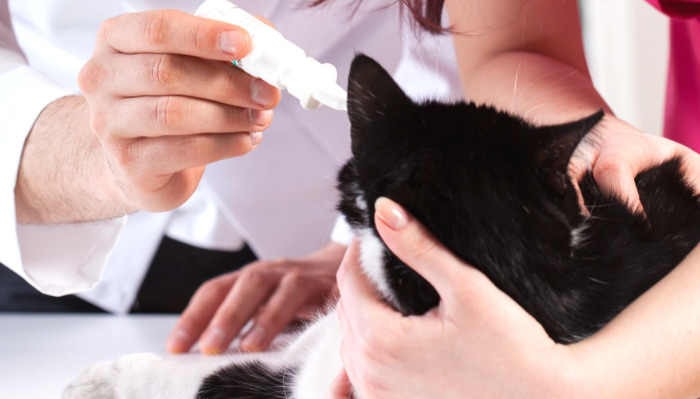
The oral administration of NeoFipronis makes it particularly suitable for kittens, as it reduces the stress associated with injections and allows for easier treatment management at home. The rapid absorption and fast-acting nature of the drug provide prompt relief from symptoms, improving the quality of life during treatment.
Considerations for Treating Kittens with GS-441524
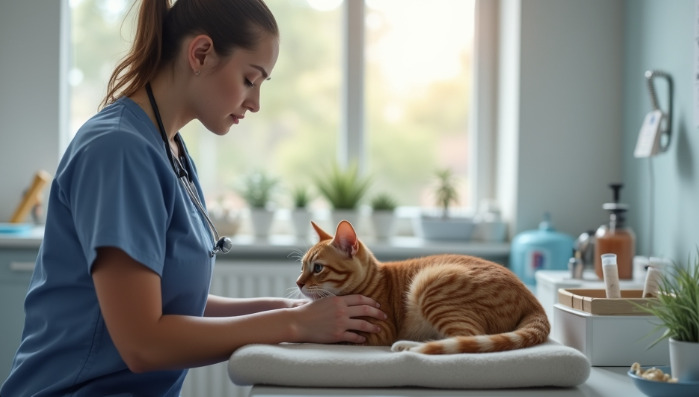
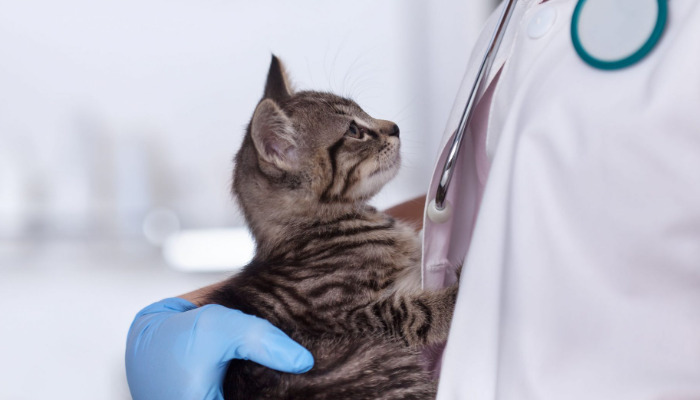
While GS-441524 has demonstrated safety and efficacy, treating kittens requires extra caution. Veterinarians should evaluate the individual health status of the kitten and perform baseline blood work before initiating therapy. Regular monitoring throughout treatment helps detect any adverse effects early.
Dosing is critical; under-dosing may reduce effectiveness, while over-dosing increases the risk of side effects. Typical doses are weight-dependent, and veterinarians often start with a conservative dose, titrating as necessary based on response and tolerability.
Additionally, because the long-term impacts of GS-441524 on developing organs are still being studied, cautious use is recommended, especially in very young or underweight kittens.
Future Directions and Ongoing Research
The approval of NeoFipronis (Pronidesivir) marks significant progress in FIP treatment. Nonetheless, ongoing research continues to evaluate the safety of antiviral drugs like GS-441524 in very young animals. As more data become available, veterinary guidelines will evolve to optimize treatment protocols for kittens.
Moreover, research into combination therapies and alternative administration routes aims to improve patient compliance and outcomes. The ultimate goal is to develop safe, effective, and easy-to-administer treatments suitable for all age groups, including the most vulnerable kittens.
Conclusion
GS-441524 has proven to be a safe and effective medication for treating FIP in cats, including kittens, when used appropriately under veterinary supervision. Its excellent therapeutic profile, coupled with the emergence of newer oral options like NeoFipronis (Pronidesivir), provides hope for young cats afflicted with this deadly disease. Nonetheless, careful consideration regarding dosing, monitoring, and individual health status remains essential to ensure safety. As research progresses, the future looks promising for even safer and more accessible treatments for feline FIP.
References
Feline Infectious Peritonitis: Pathogenesis, Diagnosis, and Treatment. Journal of Feline Medicine and Surgery.
Clinical Trials and Case Studies on GS-441524 in Kittens. Veterinary Journal.
Approval and Safety Data of Miaite NeoFipronis (Pronidesivir). Lao Ministry of Agriculture and Forestry.
Pharmacokinetics and Safety Profile of GS-441524 in Young Cats. Veterinary Pharmacology and Therapeutics.