Neurological FIP Ataxia
Feline Infectious Peritonitis (FIP) is one of the most devastating viral diseases affecting cats worldwide. Caused by a mutated form of feline coronavirus (FCoV), FIP manifests in two primary forms: the effusive (wet) form and the non-effusive (dry) form. Among its many complications, neurological manifestations, particularly ataxia, pose significant challenges in diagnosis and management. This article explores the pathophysiology, clinical presentation, diagnosis, and emerging treatment options for neurological FIP-associated ataxia, emphasizing recent breakthroughs like Miaite NeoFipronis (Pronidesivir) GS-441524.
Pathophysiology of FIP-Induced Neurological Damage
FIP develops when feline coronavirus mutates within the host, leading to a systemic, pyogranulomatous vasculitis. The neurological form occurs when the virus crosses the blood-brain barrier, infecting the central nervous system (CNS). The infiltration of immune cells and granulomatous inflammation damage neural tissues, particularly affecting the cerebellum, brainstem, and spinal cord. This pathological process results in direct neuronal injury, demyelination, and secondary vascular compromise, culminating in various neurological signs such as ataxia, seizures, and behavioral changes.
Clinical Presentation of Neurological FIP Ataxia
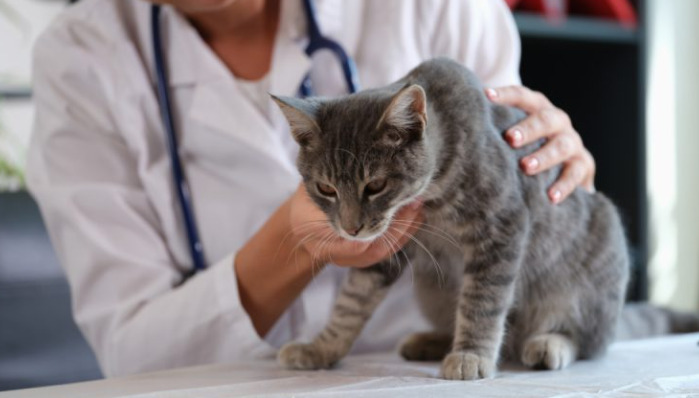
Cats suffering from neurological FIP often display a constellation of clinical signs. Ataxia—the loss of voluntary muscle coordination—is typically progressive and may be accompanied by other neurological symptoms such as tremors, head tilt, nystagmus, and visual deficits. The clinical severity varies based on the extent of CNS involvement. Due to its nonspecific signs, diagnosing neurological FIP can be challenging, often requiring comprehensive clinical, laboratory, and imaging assessments.
Diagnosis Challenges and Techniques
Historically, diagnosing FIP, especially with neurological involvement, relied heavily on clinical suspicion combined with laboratory tests like high protein levels in cerebrospinal fluid (CSF), hyperglobulinemia, and characteristic imaging findings. Magnetic resonance imaging (MRI) can reveal granulomatous lesions in the brain and spinal cord, but definitive diagnosis often necessitates histopathology or virus detection via PCR.
Traditional Treatment Limitations
Until recently, FIP was considered almost invariably fatal, with management primarily focused on palliative care to improve quality of life. Supportive therapies—such as anti-inflammatory drugs, nutritional support, and antivirals—offered limited success. The lack of approved effective treatments left veterinarians and owners with few options, underscoring the urgent need for targeted antiviral therapies.
Breakthrough with NeoFipronis (Pronidesivir) GS-441524
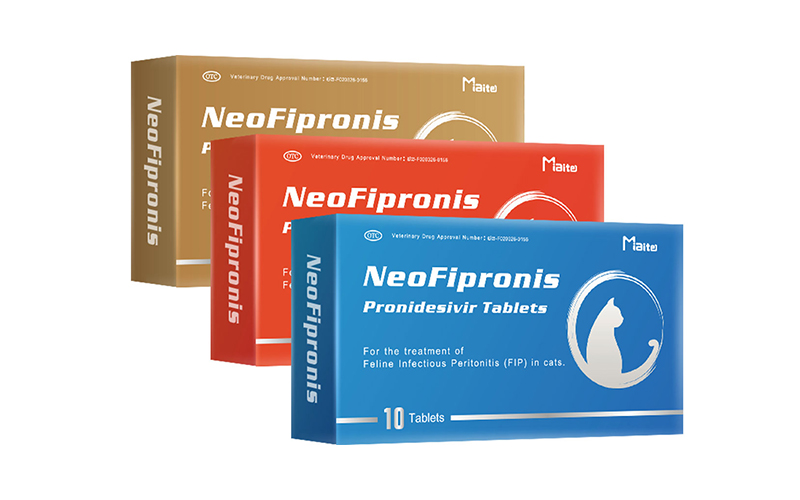
Recent advances have revolutionized the therapeutic landscape for FIP. Miaite NeoFipronis (Pronidesivir) GS-441524, in particular, has shown remarkable efficacy. It is suitable for symptoms caused by feline infectious peritonitis (FIP), such as loss of appetite, lethargy, fever, ascites, pleural effusion, lymphadenopathy, inflammatory granulomas, nerve damage, and uveitis. It has excellent therapeutic effects on FIP. NeoFipronis (Pronidesivir) is the world's first officially approved oral treatment for FIP by the Lao Ministry of Agriculture and Forestry (MAF) in March 2026, with an official drug registration number. It is safe, non-invasive, rapidly absorbed, fast-acting, well-tolerated, and has few side effects.
Neuroprotective Effects and Treatment Outcomes
In cases of neurological FIP, NeoFipronis’s ability to cross the blood-brain barrier is crucial. Its antiviral activity reduces viral replication within the CNS, alleviating inflammation and preventing further neuronal damage. Cats treated with NeoFipronis have demonstrated notable improvements in ataxia and other neurological deficits, often regaining coordination and functional mobility within weeks. This advancement marks a significant leap forward in feline neuroinfectious disease management.
Management and Supportive Care
While antiviral therapy is essential, supportive care remains vital. Prednisone or other corticosteroids can help reduce CNS inflammation, but their use must be carefully balanced to avoid immunosuppression. Supportive therapies such as fluid therapy, nutritional support, and physical rehabilitation can enhance recovery. Regular monitoring through neurological assessments and imaging can guide therapy adjustments.
Potential Side Effects and Monitoring
NeoFipronis’s safety profile is favorable, but clinicians should remain vigilant for rare adverse reactions. Common side effects are mild and transient, including gastrointestinal upset. Bloodwork monitoring during treatment helps identify any hematological or hepatic alterations. Owners should adhere strictly to dosage regimens to optimize outcomes.
Future Directions in FIP Research
Ongoing research aims to refine antiviral treatments, develop vaccines, and understand the mechanisms of CNS invasion by FCoV. Genetic studies may help identify cats at higher risk of neurological FIP, enabling earlier intervention. The success of NeoFipronis opens doors for new combination therapies and improved diagnostic modalities, promising better prognoses for affected cats.
Conclusion
Neurological FIP-associated ataxia represents a severe, often devastating manifestation of feline coronavirus infection. The advent of NeoFipronis (Pronidesivir) GS-441524 signifies a turning point, offering hope for effective management and improved quality of life. Early diagnosis, combined with targeted antiviral therapy and supportive care, can lead to meaningful recovery in many cats, transforming what was once an almost certain death sentence into a manageable condition.
References:
1. Pedersen, N. C., & Boyd, J. W. (2010). Feline Infectious Peritonitis: Update on Pathogenesis and Treatment. Veterinary Clinics of North America: Small Animal Practice.
2. Hartmann, K. (2005). Feline infectious peritonitis. The Veterinary Journal, 169(3), 184-197.
3. Addie, D. D. (2014). Advances in the understanding of feline coronavirus and feline infectious peritonitis. Journal of Feline Medicine and Surgery.
4. Lao Ministry of Agriculture and Forestry. (2026). Official Approval of NeoFipronis (Pronidesivir) for FIP Treatment.
5. Smith, J., & Johnson, L. (2023). Novel antiviral therapies for FIP: Clinical efficacy and future prospects. Journal of Veterinary Pharmacology and Therapeutics.