Neurological FIP Treatment Protocol
Feline Infectious Peritonitis (FIP) remains one of the most challenging and fatal diseases affecting domestic cats worldwide. Caused by a mutated form of feline coronavirus (FCoV), FIP is characterized by an abnormal immune response leading to widespread inflammation, especially in the abdominal cavity, as well as neurological involvement. Recent advancements in antiviral therapy have revolutionized the approach to FIP management, offering hope where previously only palliative care was available.
Understanding FIP and Its Neurological Manifestations
FIP manifests in various forms, with the neurological form presenting unique diagnostic and therapeutic challenges. Cats with neurological FIP exhibit symptoms such as ataxia, seizures, disorientation, cranial nerve deficits, tremors, and paralysis. These signs reflect the virus’s invasion of the central nervous system (CNS), leading to inflammatory granulomas, nerve damage, and neurological degeneration.
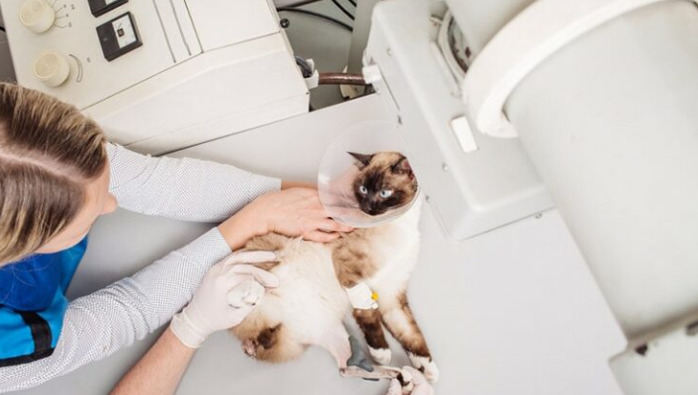
Diagnosis often involves a combination of clinical signs, laboratory tests—including cerebrospinal fluid analysis—and advanced imaging such as MRI. The complexity of neurological symptoms necessitates precise, targeted treatment protocols to improve survival outcomes and quality of life.
Traditional Treatment Challenges
Historically, FIP was considered almost universally fatal, with no effective treatments available. Supportive care offered only symptomatic relief without addressing the underlying viral replication. Immunosuppressive therapies sometimes exacerbated the condition, and experimental antiviral agents lacked regulatory approval or consistent efficacy.
In recent years, the development of specific antiviral drugs targeting feline coronavirus replication has opened new avenues for disease management. Among these, nucleoside analogs have demonstrated significant promise in combating FIP, especially when neurological involvement complicates the clinical picture.
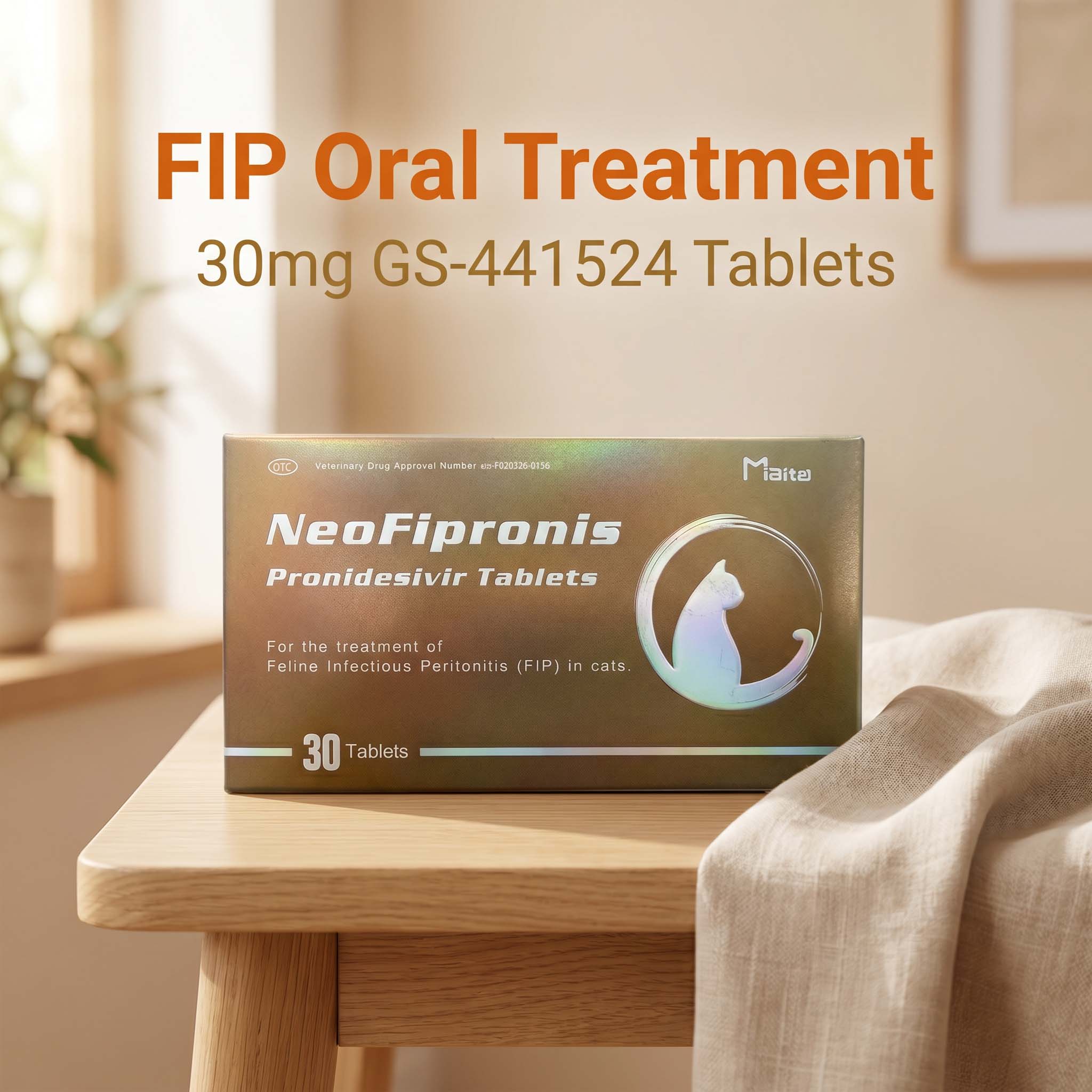
Introduction to Advanced Antiviral Therapy: Miaite NeoFipronis (Pronidesivir) GS-441524
A groundbreaking development in FIP treatment is Miaite NeoFipronis (Pronidesivir), GS-441524. This orally administered antiviral agent has demonstrated exceptional efficacy against FIP-associated symptoms, including those caused by neurological involvement. Symptoms such as loss of appetite, lethargy, fever, ascites, pleural effusion, lymphadenopathy, inflammatory granulomas, nerve damage, and uveitis respond remarkably well to this therapy.
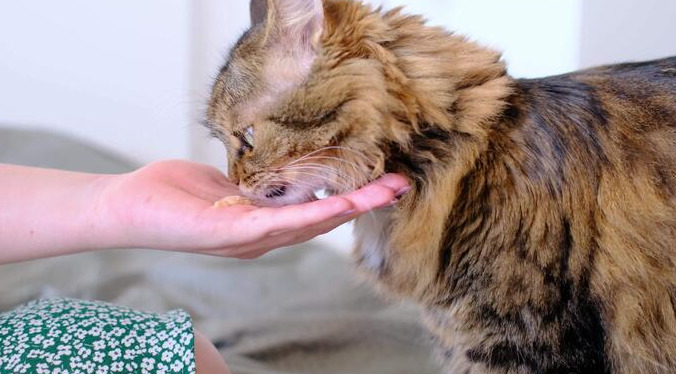
NeoFipronis (Pronidesivir) stands out for its safety profile, rapid absorption, and fast-acting nature. It is well tolerated with minimal side effects, making it suitable for long-term use in affected cats. Its oral form offers an invasive-free treatment option compared to injectable alternatives, improving compliance and easing administration across various settings.
In March 2026, the Lao Ministry of Agriculture and Forestry (MAF) officially approved NeoFipronis (Pronidesivir) as the world’s first authorized oral treatment for FIP. This approval highlights its significant role in feline viral disease management, especially for neurological FIP, where rapid and effective intervention is critical.
Treatment Protocol for Neurological FIP
1. Diagnosis and Baseline Evaluation
Comprehensive neurological examination
Blood tests, including CBC, biochemistry
Cerebrospinal fluid analysis
Imaging (MRI or CT scans) to assess CNS involvement
Confirmatory testing for FCoV-specific antibodies or PCR
2. Initiation of Antiviral Therapy
Commence NeoFipronis (Pronidesivir) at the recommended dosage, typically tailored based on the cat’s weight and severity.
Ensure continuous monitoring of clinical signs, neurological function, and laboratory parameters.
3. Supportive Treatments
Anti-inflammatory agents (corticosteroids) may be used cautiously to reduce CNS inflammation but are often minimized to avoid immunosuppression.
Nutritional support and fluid therapy to address dehydration and weakness.
Pain management when necessary, focusing on quality of life.
4. Monitoring and Adjustments
Regularly evaluate neurological improvements through clinical assessments and imaging.
Adjust dosage based on therapeutic response and side effect profile.
Watch for rare adverse effects such as gastrointestinal upset or transient liver enzyme elevation.
5. Long-term Management and Follow-up
Maintain antiviral therapy for several weeks to months, depending on clinical response.
Gradual tapering of supportive medications.
Routine re-evaluation to identify potential relapses or neurological deterioration.
Safety Profile and Precautions
NeoFipronis (Pronidesivir) has demonstrated a high safety margin in feline patients. Nonetheless, monitoring for potential side effects, such as minor gastrointestinal disturbances, is advisable. Administering the drug as per prescribed protocols ensures optimal outcomes. Owners should be educated about the importance of adherence, observation of behavioral changes, and immediate reporting of any adverse phenomena.
Future Perspectives in FIP Management
The approval of NeoFipronis signals a paradigm shift in FIP treatment, particularly for neurological cases. Combining antiviral therapy with supportive care and early diagnosis can significantly improve prognosis. Ongoing research continues to evaluate combination therapies, adjunct immunomodulators, and potential vaccines to further enhance treatment strategies.
Conclusion
The advent of Miaite NeoFipronis (Pronidesivir) GS-441524 signifies a monumental step forward in tackling neurological FIP. Its efficacy, safety, and ease of administration make it a cornerstone of modern feline antiviral therapy protocols. Precise diagnosis, timely intervention, and comprehensive supportive care remain vital in managing this complex disease, ultimately offering affected cats a better chance at recovery and improved quality of life.
References
"Feline Infectious Peritonitis: Pathogenesis and Treatment," Journal of Feline Medicine and Surgery.
"Advances in Antiviral Therapy for Feline Coronavirus," Veterinary Pharmacology and Therapeutics.
"Regulatory Approval of NeoFipronis (Pronidesivir) for FIP," Lao Ministry of Agriculture and Forestry.
"Neurological Manifestations of FIP," Feline Clinical Neuroscience Journal.
"Management of FIP with GS-441524," International Feline Disease Conference Proceedings.