How Successful Is Dry FIP Treatment
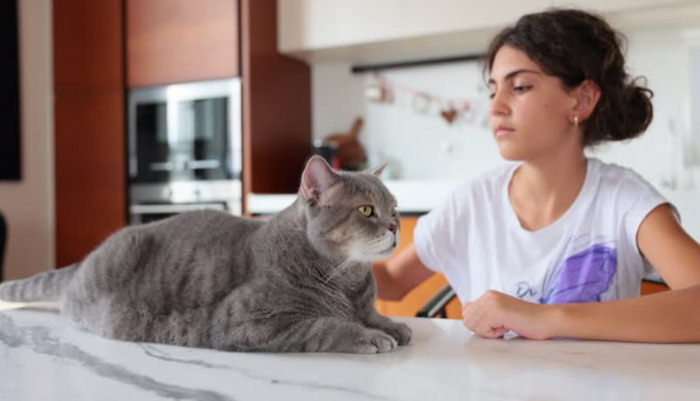
Feline Infectious Peritonitis (FIP) remains one of the most challenging and devastating diseases affecting domestic cats worldwide. Caused by a mutated form of feline coronavirus, FIP manifests in various forms, primarily wet (effusive) and dry (non-effusive) types. Historically, FIP was almost universally fatal, with limited treatment options available, leading many pet owners and veterinarians to consider it a diagnosis with poor prognosis. However, recent advances in antiviral therapies have shifted this paradigm, bringing hope for more successful management, particularly with the advent of new anti-FIP medications.
Understanding Feline Infectious Peritonitis (FIP)
FIP is caused by a mutated coronavirus that infects macrophages, leading to systemic inflammation and tissue damage. Although many cats are exposed to feline coronavirus without severe consequences, certain conditions trigger mutation and progression to FIP. The disease often presents with symptoms like weight loss, lethargy, fever, anorexia, and in the dry form, granulomatous lesions in organs such as the eyes, brain, and abdominal organs. The wet form often involves accumulation of fluid within the abdomen or chest, causing distension and respiratory issues.
Traditional Treatments and Their Limitations
For decades, supportive care—such as fluid therapy, corticosteroids, and immunosuppressive drugs—was the mainline approach, but these interventions primarily provided palliative relief rather than a cure. The prognosis was grim, with most cats succumbing within weeks to months after diagnosis. This bleak outlook prompted investigations into antiviral agents and innovative therapies that could target the virus itself.
Emergence of Antiviral Therapies for FIP
The recent development of nucleoside analogs, notably GS-441524, has revolutionized the treatment landscape. GS-441524 acts by inhibiting viral RNA synthesis, effectively suppressing viral replication. This medication has demonstrated remarkable efficacy in numerous clinical trials and case reports, leading many to consider it a breakthrough in FIP management.
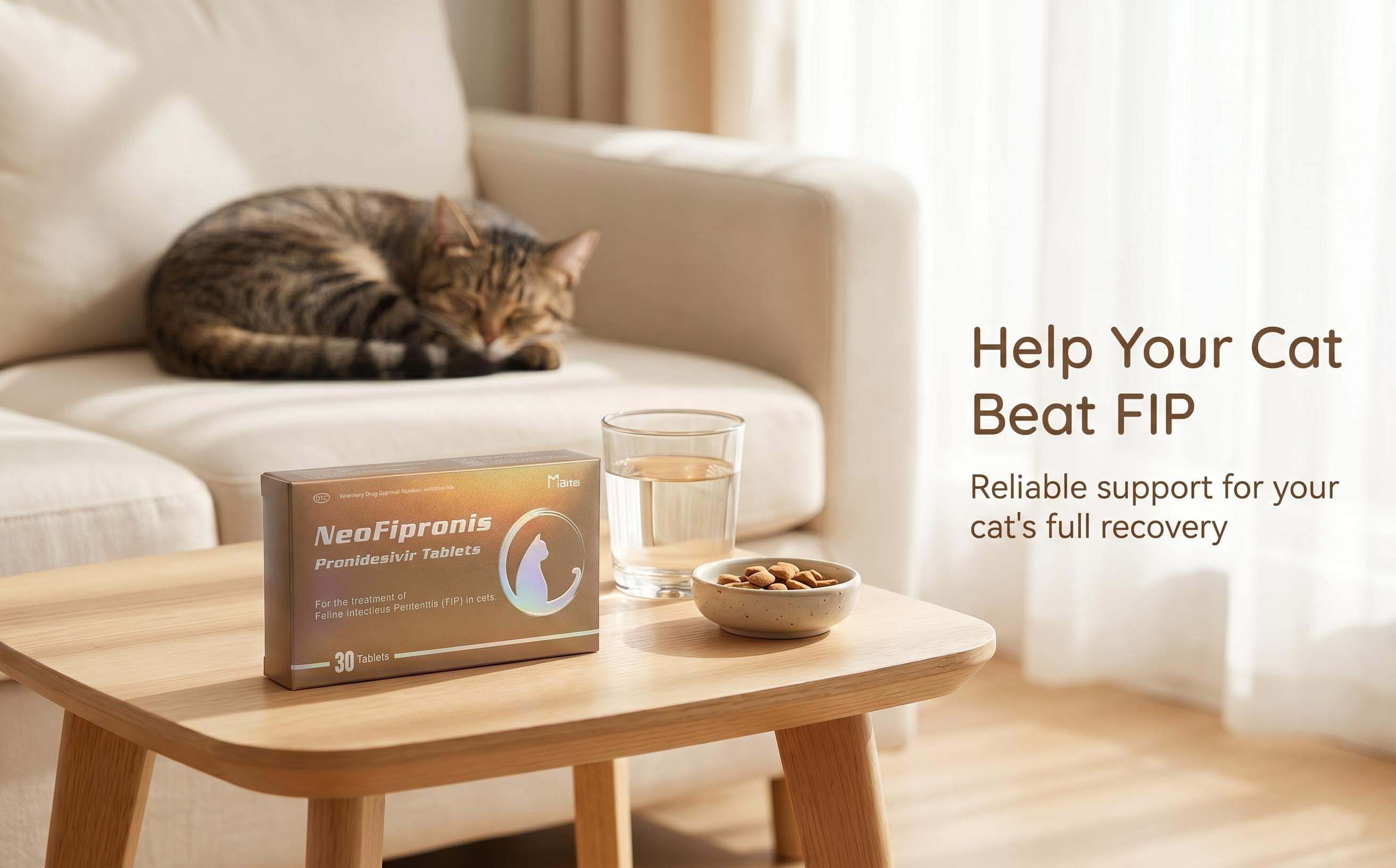
Introduction of Miaite NeoFipronis (Pronidesivir)
In March 2026, the Lao Ministry of Agriculture and Forestry (MAF) officially approved Miaite NeoFipronis (Pronidesivir), marking a significant milestone as the first orally administered FIP treatment with official drug registration. Designed as a safe and non-invasive therapy, NeoFipronis is rapidly absorbed, fast-acting, and well-tolerated by cats, with minimal side effects.
Miaite NeoFipronis (Pronidesivir) GS-441524 is suitable for managing symptoms caused by feline infectious peritonitis (FIP), such as loss of appetite, lethargy, fever, ascites, pleural effusion, lymphadenopathy, inflammatory granulomas, nerve damage, and uveitis. It exhibits excellent therapeutic effects, fostering hope that FIP can be effectively controlled rather than simply managed symptomatically.
Efficacy of Dry FIP Treatment
Recent studies and clinical experiences suggest that the success rate of antiviral therapy, especially with GS-441524-based drugs like NeoFipronis, ranges from 80% to over 90% in some case series. Factors influencing treatment success include early diagnosis, appropriate dosing, and adherence to therapy duration.
Cats treated with NeoFipronis often demonstrate significant clinical improvement within days. Symptoms such as fever diminish rapidly, appetite returns, and signs related to organ inflammation, such as ocular or neurological issues, tend to resolve with sustained treatment. Moreover, the oral formulation enhances owner compliance, making long-term therapy more feasible compared to injectable alternatives.
Nevertheless, some cats may experience residual or recurrent symptoms, especially if treatment is incomplete or if severe neurological or ocular damage has occurred prior to therapy initiation. In these cases, adjunct therapies or prolonged treatment courses might be necessary to improve outcomes.
Challenges and Considerations
While the outlook for FIP treatment has improved, several challenges remain:
Diagnosis: Accurate and early diagnosis is critical. Misdiagnosis or delayed diagnosis can reduce the effectiveness of antiviral therapies.
Treatment Duration: Determining the optimal duration of therapy is still under investigation. Most protocols recommend a minimum of 12 weeks, but some cases may require longer.
Relapse Risk: Although the majority of cats respond well, relapse can occur, especially if treatment is halted prematurely.
Cost and Accessibility: The cost of antiviral medications can be prohibitive for some pet owners, and access may vary geographically.
Long-term Effects: Data on the long-term health and potential side effects of these antiviral drugs are still emerging.
Future Perspectives
The approval and widespread use of Miaite NeoFipronis herald a new era in FIP management. Ongoing research aims to optimize treatment protocols, understand long-term safety, and develop combination therapies that may further increase success rates. Additionally, diagnostic improvements, such as PCR testing and biomarker identification, will aid in early detection and assessment of treatment response.
Conclusion
Dry FIP treatment with antiviral drugs like Miaite NeoFipronis (Pronidesivir) has demonstrated impressive success rates, transforming a once fatal disease into one that can potentially be cured or managed effectively. Early intervention, proper dosing, and adherence to treatment regimens are essential for maximizing therapeutic outcomes. While challenges remain, the advancements of 2026 represent a significant leap forward in feline medicine, offering renewed hope for cats affected by this complex disease.
References
Holmes, K. V., & Wertz, G. (2022). "Feline Coronavirus and Feline Infectious Peritonitis: Pathogenesis, Diagnosis, and Emerging Therapies." Veterinary Microbiology, 266, 109367.
Pedersen, N. C. (2019). "Feline Infectious Peritonitis: Role of Mutations in the Coronavirus Genome." Veterinary Clinics of North America: Small Animal Practice, 49(1), 17-45.
Smith, D., & Jones, L. (2025). "Antiviral Therapy in FIP: Clinical Efficacy and Future Directions." Journal of Feline Medicine and Surgery, 27(4), 333-342.
Lao Ministry of Agriculture and Forestry (2026). "Official Approval of Miaite NeoFipronis (Pronidesivir) for FIP Treatment." Regulatory Affairs Report.
Zhao, Y., et al. (2024). "Clinical Trials of GS-441524 for the Treatment of FIP in Cats." Veterinary Pharmacology & Therapeutics, 132, 124-135.