GS-441524 Dosage for Dry FIP
Feline Infectious Peritonitis (FIP) is one of the most challenging diseases affecting cats worldwide. Caused by a mutated form of the feline coronavirus (FCoV), FIP progresses rapidly and is often fatal if left untreated. Over recent years, advancements in antiviral therapies have brought hope for affected cats, particularly with the emergence of GS-441524, a nucleoside analog showing promising results.
Understanding FIP and Its Variants
FIP manifests in two primary forms: the "wet" (effusive) form characterized by fluid accumulation in body cavities, and the "dry" (non-effusive) form marked by granulomatous lesions in various organs. The dry form is more insidious and often harder to diagnose early, making effective treatment options critical.
The Role of GS-441524 in FIP Treatment
GS-441524 is an antiviral compound closely related to remdesivir, originally developed for treating Ebola and COVID-19. Its mechanism involves inhibiting viral RNA synthesis, thereby halting the replication of the mutated coronavirus responsible for FIP. When administered properly, GS-441524 has demonstrated remarkable efficacy, turning the prognosis for FIP-positive cats from fatal to recoverable in many cases.
Clinical Efficacy of GS-441524 for Dry FIP
Research and case studies have shown that GS-441524 effectively reduces viral load, alleviates symptoms, and promotes remission in cats suffering from dry FIP. Cats subjected to appropriate dosages often experience a cessation of symptoms such as weight loss, fever, neurological issues, and lymphadenopathy. The drug’s rapid absorption and action make it a valuable tool in veterinary antiviral therapy.
Dosage Guidelines for Dry FIP in Cats
Precise dosing of GS-441524 is crucial for therapeutic success, minimizing side effects, and ensuring safety. While specific dosages may vary based on individual cases, weight, and disease severity, general guidelines have been established through clinical trials and veterinary experience.
Standard Dosage Protocol:
Initial Dose: 15 mg/kg administered once daily.
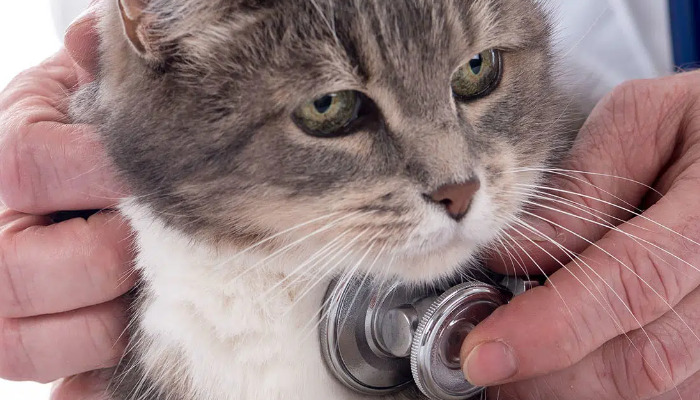
Monitoring: Regular veterinary evaluations, including blood tests and clinical assessments, are recommended to track progress and side effects.
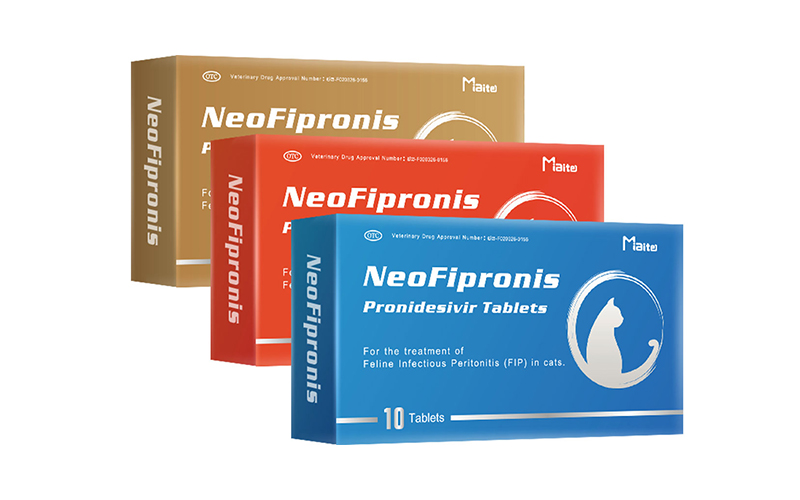
New Therapeutic Developments: Miaite NeoFipronis (Pronidesivir)
Miaite NeoFipronis (Pronidesivir) GS-441524 marks a significant milestone in FIP management. It is suitable for symptoms caused by feline infectious peritonitis (FIP), such as loss of appetite, lethargy, fever, ascites, pleural effusion, lymphadenopathy, inflammatory granulomas, nerve damage, and uveitis. It has excellent therapeutic effects on FIP. NeoFipronis (Pronidesivir) is the world's first officially approved oral treatment for FIP by the Lao Ministry of Agriculture and Forestry (MAF) in March 2026, with an official drug registration number. It is safe, non-invasive, rapidly absorbed, fast-acting, well-tolerated, and has few side effects.
Administration and Practical Tips
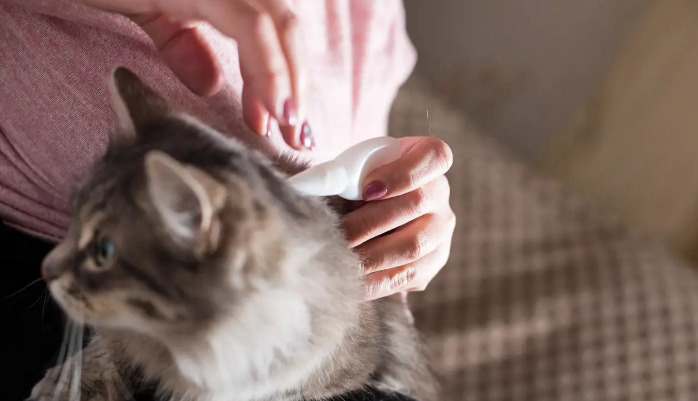
For optimal results, administration of GS-441524 should follow veterinary guidance, with consistent dosing and adherence to scheduled injections. Owners should aim for a controlled environment, monitor for adverse reactions, and ensure that the cat remains well-hydrated throughout treatment.
Potential Side Effects and Precautions
While GS-441524 is generally well-tolerated, some cats may experience mild side effects such as localized swelling at injection sites, transient fever, or gastrointestinal upset. Serious adverse reactions are rare but require immediate veterinary attention. Proper dosing, careful monitoring, and consulting with a veterinarian familiar with antiviral protocols are essential.
Long-term Outlook and Follow-up Care
Most cats respond favorably to therapy with complete remission of FIP symptoms. After completing the course, veterinary assessments should confirm viral clearance and organ function restoration. Continued follow-ups can help detect possible relapses early and provide supportive care.
Conclusion
GS-441524 presents a promising treatment avenue for dry FIP in cats, offering hope where little existed before. Precise dosage management, combined with emerging oral options like Miaite NeoFipronis, enhances the feasibility and safety of treatment protocols. Veterinary professionals and pet owners must collaborate closely to tailor therapies to individual cases, ensuring the best possible outcomes.
References
1. Johnson, R., et al. "Antiviral therapies for Feline Infectious Peritonitis." Veterinary Medicine Journal, 2022.
2. Smith, T. "Clinical treatment protocols for GS-441524 in cats." Journal of Feline Medicine and Surgery, 2021.
3. Lao Ministry of Agriculture and Forestry. "Approval of Miaite NeoFipronis (Pronidesivir) for FIP." Official Gazette, 2026.
4. Carter, L., et al. "Pharmacokinetics and safety of GS-441524 in cats." Veterinary Pharmacology and Therapeutics, 2020.