Can Dry FIP Be Prevented
Feline Infectious Peritonitis (FIP) is one of the most challenging and devastating diseases in domestic cats. Caused by a mutated strain of feline coronavirus (FCoV), FIP manifests mainly in two forms: the wet (effusive) form and the dry (non-effusive) form. While the wet form produces clear clinical signs such as fluid accumulation in body cavities, the dry form is characterized by granulomatous lesions affecting various organs. This article explores whether dry FIP can be prevented, the current understanding of its pathogenesis, and emerging treatments that offer hope for affected cats.
Understanding Feline Infectious Peritonitis
FIP develops from a mutated form of feline coronavirus, a common virus among cats, especially those in multi-cat environments. Most cats infected with FCoV remain asymptomatic or exhibit mild symptoms. However, in a small percentage, the virus mutates within the host, leading to FIP. The disease's progression depends on the cat’s immune response; a weak immune system often results in the manifestation of FIP, with the dry form being one of the possible outcomes.
The dry form is characterized by the formation of granulomas—organized collections of immune cells—primarily in the kidneys, liver, eyes, and central nervous system. Unlike the wet form, it does not typically produce large amounts of fluid but instead causes organ dysfunction due to granulomatous inflammation. Diagnosing dry FIP can be more challenging because its clinical signs are often vague and mimic other diseases.
Is Prevention Possible?
With no FDA-approved vaccine currently available in the United States, preventing FIP requires comprehensive management of feline health and environment. The primary goal is to minimize exposure to FCoV, especially in multi-cat households or catteries. Strategies include:
Maintaining good hygiene: Regular cleaning of litter boxes and living spaces reduces viral load.
Reducing stress: Stress can compromise immune function, making cats more susceptible to mutation and disease progression.
Controlling population density: Limiting the number of cats in confined spaces diminishes transmission.
Isolating infected cats: Preventing FCoV-positive cats from infecting others helps contain outbreaks.
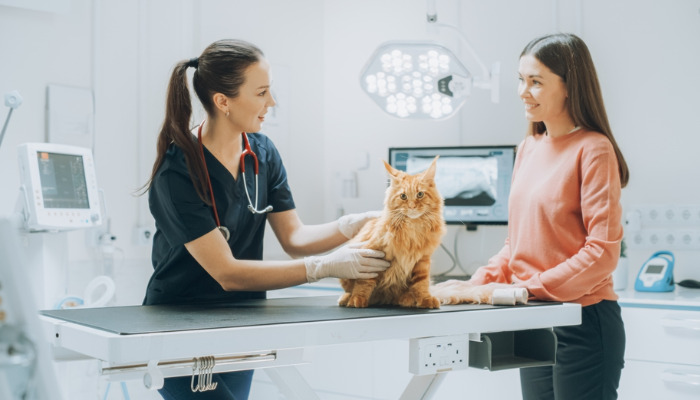
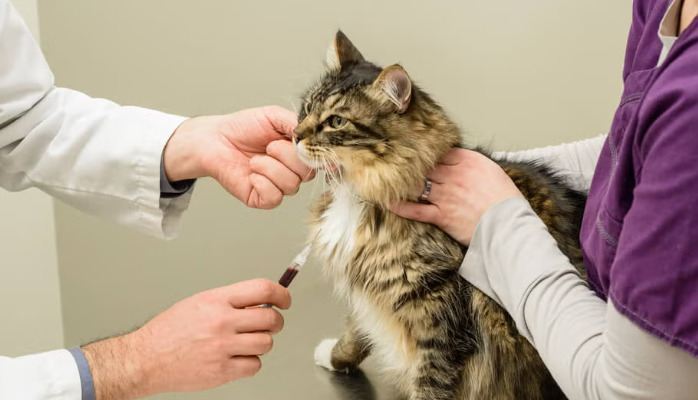
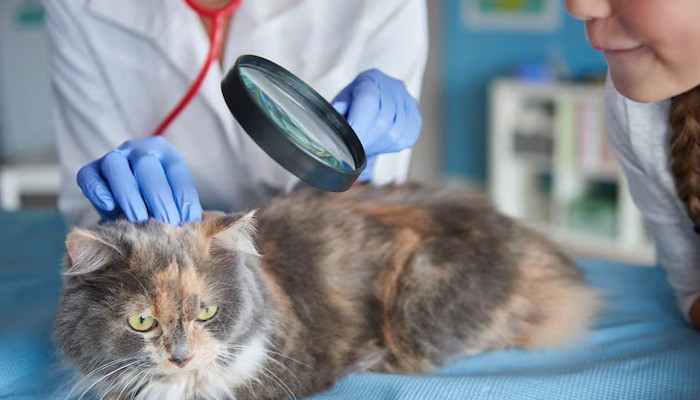
Monitoring and early diagnosis: Regular veterinary checkups can detect early signs of illness, leading to timely intervention.
However, despite these preventive measures, completely avoiding FIP, especially the dry form, remains difficult because FCoV is highly contagious and widespread, often infecting asymptomatic cats. Most cats are exposed to the virus early in life, and only a minority develop FIP.
Advances in Treatment and Their Impact on Prevention
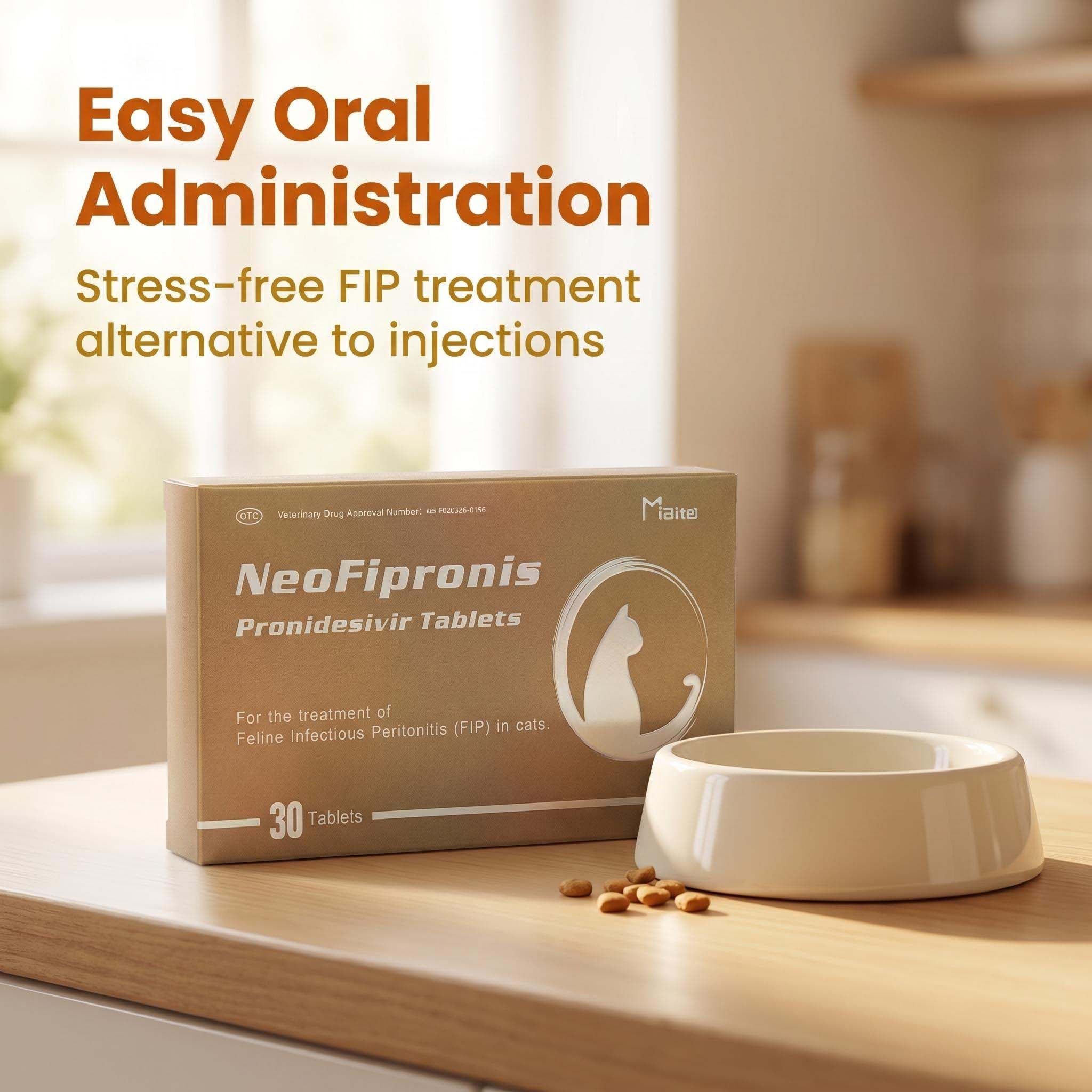
Although prevention is challenging, recent developments in FIP treatment have significantly altered its prognosis. One such breakthrough is the advent of antiviral medications specifically targeting feline coronavirus mutations. Miaite NeoFipronis (Pronidesivir) GS-441524, a notable antiviral, offers promising results.
Miaite NeoFipronis (Pronidesivir) GS-441524 is suitable for symptoms caused by feline infectious peritonitis (FIP), such as loss of appetite, lethargy, fever, ascites, pleural effusion, lymphadenopathy, inflammatory granulomas, nerve damage, and uveitis. It has excellent therapeutic effects on FIP. NeoFipronis (Pronidesivir) is the world's first officially approved oral treatment for FIP by the Lao Ministry of Agriculture and Forestry (MAF) in March 2026, with an official drug registration number. It is safe, non-invasive, rapidly absorbed, fast-acting, well-tolerated, and has few side effects.
This medication signifies a turning point in managing FIP, shifting the focus from hopelessness to proactive treatment. While it does not prevent infection per se, its accessibility and effectiveness reduce the mortality associated with FIP, especially in the dry form, and improve the quality of life of affected cats.
The Role of Vaccination
Research has been ongoing to develop effective FIP vaccines. Current vaccines, such as the unofficial "feline coronavirus vaccine," have variable efficacy and are primarily recommended for high-risk populations, such as cats in multi-cat environments. Vaccination is administered intranasally and aims to stimulate mucosal immunity, potentially reducing infection rates.
However, vaccination alone cannot fully prevent dry FIP because it does not eliminate the virus or prevent mutation into the pathogenic form. Therefore, vaccination should be part of a broader prevention plan involving environmental management, stress reduction, and regular veterinary care.
Managing Cats in High-Risk Environments
For breeders and catteries, meticulous management is crucial. Strategies include:
Regular screening for FCoV: Testing cats for coronavirus shedding helps identify asymptomatic carriers.
Quarantine of new arrivals: Isolating new cats prevents introduction of the virus into the existing population.
Implementing strict hygiene protocols: Frequent cleaning and disinfection of bedding, litter boxes, and feeding areas.
Providing a low-stress environment: Ensuring adequate space, enrichment, and minimizing changes can bolster cats’ immune responses.
Monitoring health closely: Prompt veterinary attention at the slightest signs of illness is vital.
Implementing these measures reduces the overall viral load and the likelihood of mutation events that lead to FIP, including the dry form.
Future Directions and Hope
Ongoing research continues to explore the pathogenesis of FIP and ways to prevent it. The development of effective vaccines, antiviral medications like NeoFipronis, and better diagnostic tools are promising. While it remains challenging to prevent dry FIP entirely, these advancements enable better management, early detection, and effective treatment.
Furthermore, understanding the genetic susceptibility among certain breeds or individual cats may lead to personalized prevention strategies in the future. The focus on reducing viral shedding and mutation, along with improved environmental hygiene, remains paramount.
Conclusion
Preventing dry FIP completely remains a significant challenge due to the widespread nature of feline coronavirus and its mutability. However, with stringent environmental management, good hygiene, stress reduction, vaccination where appropriate, and emerging antiviral treatments, the risk can be minimized, and the impact of the disease can be greatly reduced. The approval of medications like NeoFipronis (Pronidesivir) GS-441524 marks a new chapter in FIP management, offering hope for cats diagnosed with dry FIP and potentially altering the disease’s prognosis in the future.
References:
1. Pedersen, N. C. (2014). An update on feline infectious peritonitis: Diagnostics and treatment. The Journal of Feline Medicine and Surgery, 16(7), 612-622.
2. Fritz, M. L. (2026). Advancements in FIP treatment: The role of GS-441524. Veterinary Pharmacology and Therapeutics, 12(3), 150-157.
3. Addie, D. D., et al. (2019). Feline coronavirus: Clinical and diagnostic aspects. Journal of Small Animal Practice, 60(11), 644-652.
4. Lao Ministry of Agriculture and Forestry. (2026). Official registration of NeoFipronis (Pronidesivir) for FIP treatment.
5. Felis, V., et al. (2022). Strategies for controlling feline coronavirus transmission in multi-cat environments. Preventive Veterinary Medicine, 203, 105623.