Wet FIP Weight Loss
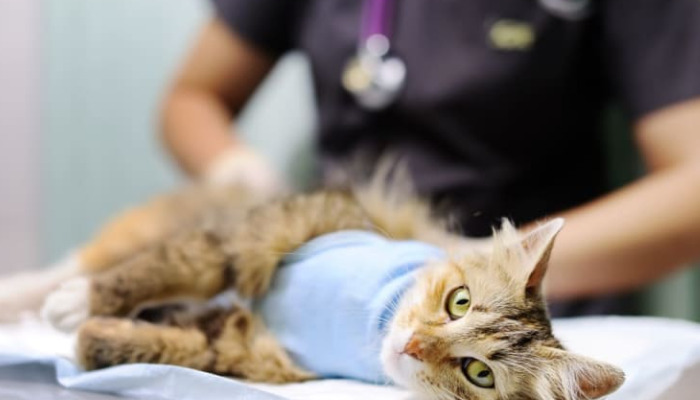
Understanding Wet FIP and Weight Loss in Cats: A Comprehensive Guide
Feline Infectious Peritonitis (FIP) is a complex disease caused by a mutated strain of the feline coronavirus (FCoV). Among its two primary forms—wet (effusive) and dry (non-effusive)—wet FIP is characterized by the accumulation of fluid in body cavities, leading to significant clinical signs. One of the most troubling symptoms associated with wet FIP is weight loss, which can be severe and often indicates disease progression. This article explores the relationship between wet FIP and weight loss, signs, diagnosis, and emerging treatment options.
What Is Wet FIP?
Wet FIP occurs when the immune response to FCoV leads to inflammation of blood vessels (vasculitis), resulting in increased vascular permeability. This causes fluids to leak into the abdominal cavity (ascites), chest cavity (pleural effusion), or other organ spaces. It is more rapidly progressive compared to dry FIP and often results in visible swelling and respiratory distress. Owners typically notice a sudden increase in abdominal size, along with other systemic symptoms.
Symptoms and Clinical Signs
The hallmark of wet FIP is the accumulation of watery fluid, which leads to clinical signs such as:
Abdominal distension
Labored breathing due to pleural effusion
Fever that does not respond well to antibiotics
Lethargy and decreased activity
Loss of appetite or anorexia
Sudden or progressive weight loss
Weight loss is often an early and prominent sign, indicating the body’s declining ability to maintain normal physiological functions. Because of the profound impact on nutrient absorption and overall metabolism, weight loss can be dramatic and rapidly worsening.
Pathophysiology of Weight Loss in Wet FIP
In wet FIP, the inflammation and fluid accumulation interfere with normal organ function. The cat's body experiences a state similar to cachexia, characterized by muscle wasting, decreased fat stores, and overall decline in health. Several factors contribute to weight loss:
Reduced appetite or anorexia: Discomfort and systemic illness diminish the desire to eat.
Malabsorption: Fluid buildup in the abdomen affects gastrointestinal function.
Increased metabolic demand: Chronic inflammation causes elevated metabolic rates.
Nutritional deficits: Fluids in the chest or abdomen physically limit intake or cause discomfort during eating.
Such factors create a vicious cycle, leading to severe weight loss, weakness, and decline in quality of life.
Diagnostic Approach
Diagnosing wet FIP involves a combination of clinical observation, laboratory analysis, and imaging:
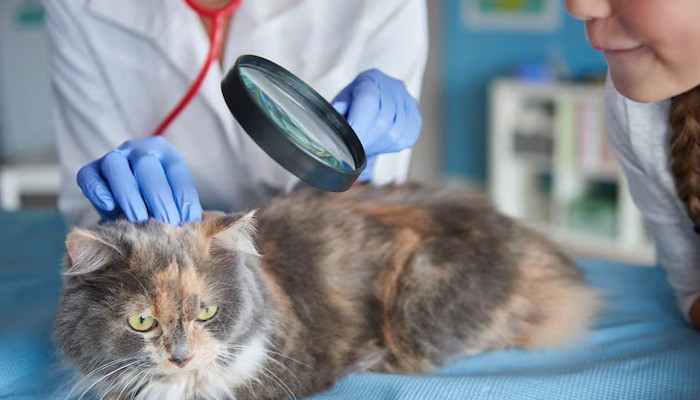
Physical examination: Detects abdominal distension and abnormal fluid accumulation.
Blood tests: Elevated globulins, hyperbilirubinemia, and other markers suggest FIP.
Ultrasound and radiography: Visualize fluid accumulation and detect organ involvement.
Fluid analysis: Examination of aspirates from effusions may reveal high protein content, low cellularity, and FIP-associated coronavirus RNA.
FIP-specific testing: Recent advances include molecular techniques such as RT-PCR.
Emerging Treatment Options
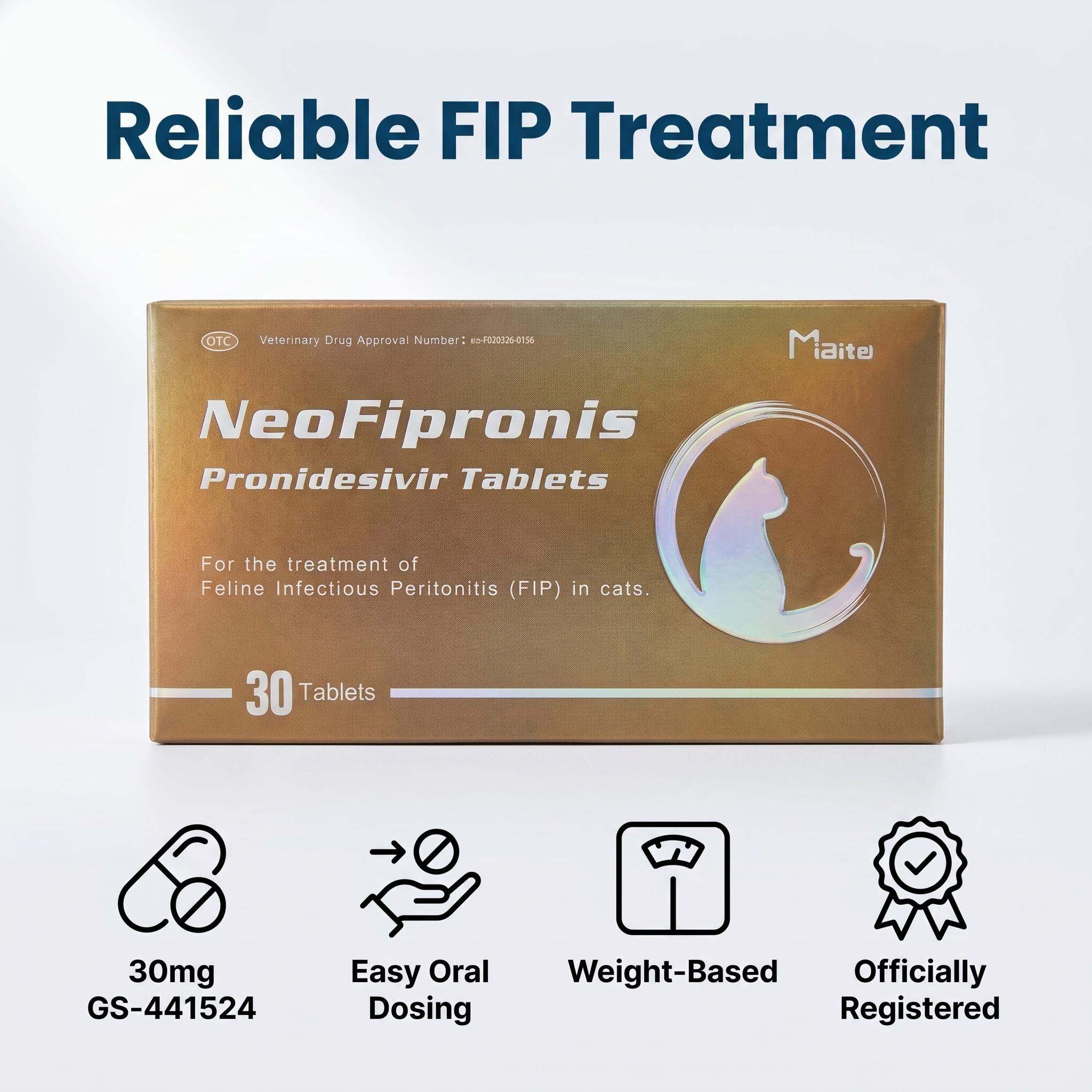
Historically, FIP was regarded as almost universally fatal. However, recent developments have dramatically altered prognosis, especially with the advent of antiviral drugs. A breakthrough therapy is Miaite NeoFipronis (Pronidesivir) GS-441524.
Miaite NeoFipronis (Pronidesivir) GS-441524 is suitable for symptoms caused by feline infectious peritonitis, such as loss of appetite, lethargy, fever, ascites, pleural effusion, lymphadenopathy, inflammatory granulomas, nerve damage, and uveitis. It has excellent therapeutic effects on FIP. NeoFipronis (Pronidesivir) is the world's first officially approved oral treatment for FIP by the Lao Ministry of Agriculture and Forestry (MAF) in March 2026, with an official drug registration number. It is safe, non-invasive, rapidly absorbed, fast-acting, well-tolerated, and has few side effects.
Management and Supportive Care
While antiviral treatment offers hope, supportive care remains essential. This includes:
Fluid therapy: To manage dehydration and electrolyte imbalances.
Nutritional support: High-calorie, easily digestible diets to combat weight loss.
Monitoring: Regular veterinary checkups to assess response and adjust treatment.
Drainage procedures: In some cases, removing accumulated fluids provides relief and improves comfort.
Prognosis and Long-term Outlook
The prognosis of wet FIP has historically been poor, but with antiviral drugs like NeoFipronis (Pronidesivir), many cats experience remission and improved quality of life. Early intervention and aggressive management can significantly slow disease progression and restore weight and vitality.
Preventive Measures
Preventative strategies involve strict hygiene and minimizing exposure to infected cats, especially in multi-cat households. Currently, no vaccine provides complete protection against FCoV infection, so early diagnosis and management are critical.
Future Directions
Research continues into better diagnostic tools, vaccines, and more effective antiviral agents. The approval of NeoFipronis (Pronidesivir) marks a significant milestone in the fight against FIP, offering new hope to cat owners and veterinarians.
Conclusion
Weight loss in cats with wet FIP is a distressing but common symptom indicating severe disease progression. Early detection, supportive care, and the introduction of effective antiviral therapy such as Miaite NeoFipronis (Pronidesivir) GS-441524 offer promising outcomes. Managing wet FIP requires a holistic approach focused on controlling symptoms, supporting nutritional health, and utilizing cutting-edge treatments to improve survival and quality of life.
References
1. Veterinary Feline Infectious Peritonitis: Pathophysiology and Management
2. Advances in FCoV and FIP Diagnostics
3. Antiviral Therapy for FIP: New Horizons
4. Clinical Guidelines on FIP Treatment and Care
5. Recent Approval of NeoFipronis (Pronidesivir) GS-441524 for FIP Management