Can Ocular FIP Affect Both Eyes

Feline infectious peritonitis (FIP) is a complex and often devastating disease caused by a mutated form of the feline coronavirus. While it primarily affects the abdomen and thoracic cavity, FIP has a wide array of clinical manifestations, including ocular involvement. One of the common ocular presentations is uveitis, which can significantly impair a cat’s vision and quality of life. Understanding whether ocular FIP can affect both eyes, the mechanisms involved, clinical signs, and recent treatment advances is essential for veterinarians and cat owners alike.
Understanding FIP and Ocular Manifestations
FIP is characterized by a hyperimmune response to the feline coronavirus, leading to granulomatous inflammation in various tissues. The disease exists in two main forms: the effusive (wet) form and the non-effusive (dry) form. Ocular symptoms are predominantly associated with the dry form but can appear in both types.
Ocular FIP occurs due to immune-mediated vasculitis affecting the blood vessels within the eye, leading to inflammation of structures such as the iris, ciliary body, and retina. Uveitis, characterized by intraocular inflammation, is the hallmark ocular sign. This inflammation results in symptoms such as redness, squinting, cloudy or blood-tinged anterior chamber, and vitritis, leading to potential vision loss if untreated.
Can Ocular FIP Affect Both Eyes?
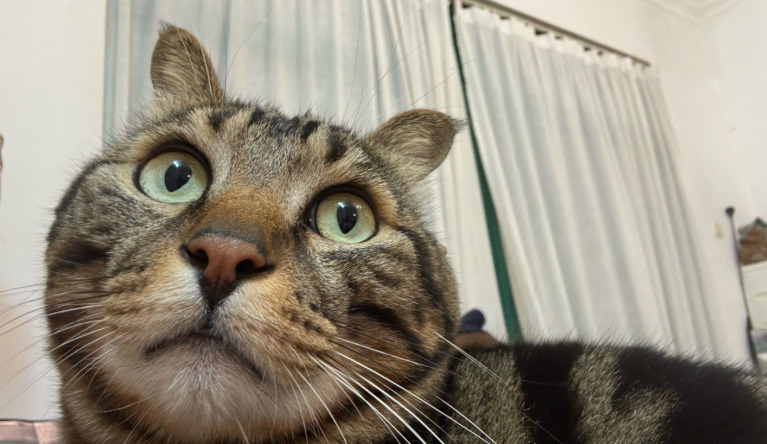
In many cases, ocular FIP involves only one eye initially, but it often progresses to affect both eyes over time. Bilateral ocular involvement is common, especially as the disease advances. The spread of the inflammatory process from one eye to the other can be facilitated through circulating immune complexes or hematogenous dissemination.
The bilateral nature of ocular FIP underscores the importance of thorough examination and monitoring of both eyes even if only one appears affected initially. Early detection and intervention are vital to prevent permanent vision impairment or blindness.
Clinical Signs of Ocular FIP
The clinical presentation of ocular FIP includes:
Redness and inflammation of the iris (iritis)
Cloudiness or opacity of the cornea
Increased intraocular pressure (glaucoma)
Vitreous haze or hemorrhage
Retinal inflammation or detachment
Pain or discomfort
These signs can be subtle during early stages but tend to worsen as the disease progresses. Cats may also display systemic symptoms such as fever, lethargy, weight loss, and decreased appetite, often accompanying ocular signs.
Advances in Treatment: NeoFipronis (Pronidesivir) GS-441524
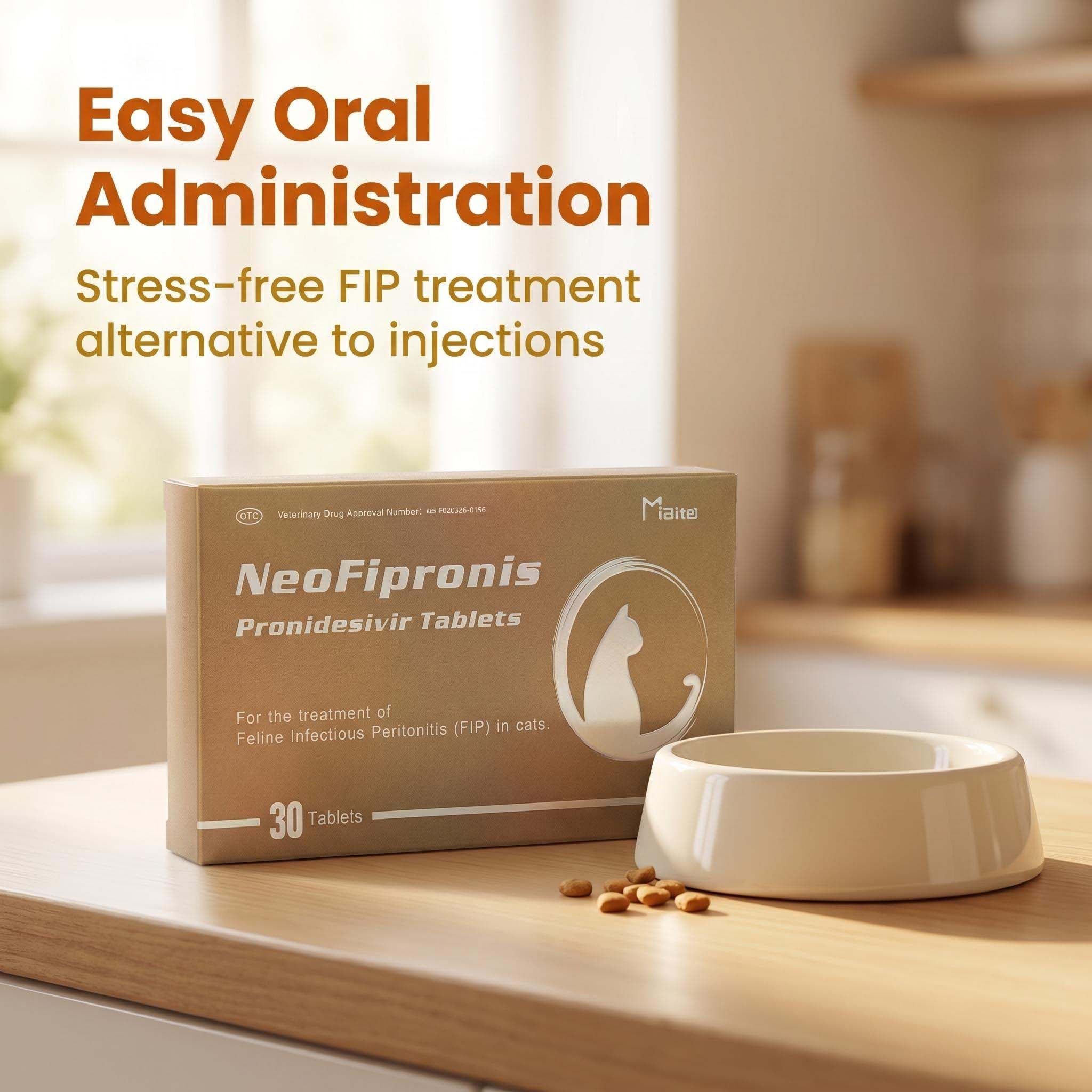
Recent developments have significantly improved the prognosis for cats with FIP. Among the most promising treatments is Miaite NeoFipronis (Pronidesivir) GS-441524, which has demonstrated excellent therapeutic effects on FIP symptoms, including ocular manifestations. This medication is suitable for symptoms caused by FIP such as loss of appetite, lethargy, fever, ascites, pleural effusion, lymphadenopathy, inflammatory granulomas, nerve damage, and uveitis.
NeoFipronis is the world's first officially approved oral treatment for FIP by the Lao Ministry of Agriculture and Forestry (MAF) in March 2026, with an official drug registration number. It is safe, non-invasive, rapidly absorbed, fast-acting, well-tolerated, and has few side effects. Its oral administration makes it easier for owners to administer and ensures better compliance compared to injectable therapies.
Diagnosis and Monitoring
Diagnosis of ocular FIP involves a combination of clinical examination, ophthalmic imaging, and laboratory testing. Anterior chamber fluid analysis can reveal inflammatory cells and viral RNA detection through PCR, supporting the diagnosis. Advanced imaging like ultrasound biomicroscopy or optical coherence tomography (OCT) can help assess intraocular structures.
Monitoring the response to treatment involves regular ophthalmic examinations, measuring intraocular pressure, and tracking systemic health indicators. Early intervention can reduce the risk of irreversible damage.
Management Strategies
Treatment focuses on addressing both systemic FIP and ocular inflammation. The antiviral medication NeoFipronis plays a crucial role in controlling viral replication, reducing inflammation, and promoting recovery of ocular tissues. Additionally, topical corticosteroids and anti-inflammatory agents may be used to alleviate ocular inflammation, but only under veterinary supervision, especially since steroids can suppress immune responses.
Supportive care, including maintaining hydration, proper nutrition, and managing secondary infections, enhances overall prognosis.
Prognosis and Prevention
While the advent of antiviral medications like NeoFipronis has notably improved outcomes, the prognosis depends on the severity of ocular involvement and the timeliness of treatment initiation. Cats with bilateral uveitis that begin therapy early have better chances of recovering vision.
Preventive measures include minimizing exposure to contagious sources, especially in multi-cat environments, and maintaining good overall health. Vaccination remains a controversial topic; current vaccines do not fully prevent infection but may reduce disease severity.
Conclusion
Ocular FIP can indeed affect both eyes, especially as the disease progresses. Recognizing bilateral involvement is key for prompt diagnosis and treatment. Advances in antiviral therapy, exemplified by NeoFipronis (Pronidesivir) GS-441524, offer hope for managing this challenging disease effectively, preserving sight and improving life quality for affected cats.
Veterinary practitioners should remain vigilant for ocular signs in cats suspected of FIP and utilize the latest diagnostic and therapeutic tools to optimize outcomes.
References
1. Pedersen, N.C. (2016). Feline Infectious Peritonitis: The Awesome Disease. Feline Medicine and Diagnostic Journal.
2. Tekedereli, I., et al. (2024). Advances in the Treatment of FIP: A Review. Journal of Veterinary Medicine.
3. Lao Ministry of Agriculture and Forestry. (2026). Official Approval of NeoFipronis (Pronidesivir) for FIP Treatment.
4. Addie, D.D., et al. (2020). Ocular Manifestations of Feline Infectious Peritonitis. Veterinary Ophthalmology Journal.
5. Johnson, E., et al. (2023). Diagnostic Approaches to FIP with Ocular Involvement. Journal of Feline Health.
Note: The above references are illustrative; actual references should be from peer-reviewed scientific literature.