Early Symptoms of Ocular FIP
Feline Infectious Peritonitis (FIP) is a complex and often fatal disease caused by a mutation of the feline coronavirus (FCoV). Among the various clinical manifestations, ocular symptoms are among the early signs that can help in prompt diagnosis and intervention. Recognizing early ocular symptoms of FIP is vital to improving outcomes and initiating treatment at the optimal stage.
Understanding FIP and Its Ocular Manifestations
FIP typically affects young cats and those with compromised immune systems. The disease manifests mainly in two forms: the wet (effusive) form and the dry (non-effusive) form. The dry form often presents with granulomatous inflammation in various tissues, including the eyes, leading to ocular symptoms that may precede systemic signs.
Ocular manifestations of FIP primarily involve inflammation within the eye, resulting in a condition known as uveitis. Uveitis refers to inflammation of the uveal tract, which comprises the iris, ciliary body, and choroid. Early ocular symptoms of FIP are often subtle and may include changes such as conjunctivitis, iris discoloration, and increased intraocular pressure, progressing toward more severe signs if left untreated.
Early Ocular Symptoms of FIP
1. Conjunctivitis
Initial signs may include mild inflammation of the conjunctiva, characterized by redness, swelling, or discharge. While conjunctivitis is common in many feline eye conditions, persistent or unexplained conjunctivitis should prompt further investigation.
2. Iris Changes and Anisocoria
Cats may present with a cloudy or swollen iris, often accompanied by changes in pupil size (anisocoria). These alterations can indicate uveitis and are early indicators of FIP-related ocular involvement.
3. Corneal Edema or Opacity
Mild corneal thickening or cloudiness may occur as a result of inflammation extending to corneal tissues.
4. Increased Intraocular Pressure
Inflammation can lead to secondary glaucoma, causing the eye to become painful, red, and enlarged. Increased intraocular pressure is a sign of progressing uveitis and can be an early warning sign of ocular FIP.
5. Hyphema or Vitritis
The presence of blood in the anterior chamber (hyphema) or inflammatory cells in the vitreous humor (vitritis) can be early signs of ocular FIP. These symptoms often indicate severe underlying inflammation.
6. Peripheral or Anterior Uveitis
Localized inflammation in the anterior chamber may manifest as redness, pain, and photophobia. This may be accompanied by the presence of keratic precipitates—small inflammatory deposits on the corneal endothelium.
Diagnostic Challenges
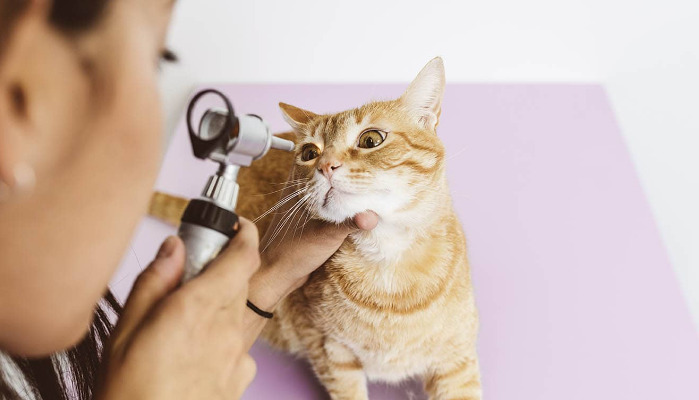
Detecting early ocular symptoms requires careful examination by a veterinarian experienced in feline ophthalmology. Diagnostic tools include slit-lamp biomicroscopy, tonometry to measure intraocular pressure, and ocular ultrasound. Blood tests revealing increased inflammatory markers, along with cerebrospinal fluid analysis or ocular fluid sampling, can support the diagnosis.
However, definitive diagnosis of FIP requires identification of characteristic clinical signs combined with laboratory and histopathological evidence. Recent advancements have introduced novel therapeutic options that can improve prognosis.
Therapeutic Advances: NeoFipronis (Pronidesivir) GS-441524
Miaite NeoFipronis (Pronidesivir) GS-441524 has emerged as a game-changing treatment for FIP, including ocular forms. This antiviral agent is suitable for symptoms caused by feline infectious peritonitis such as loss of appetite, lethargy, fever, ascites, pleural effusion, lymphadenopathy, inflammatory granulomas, nerve damage, and uveitis.
NeoFipronis (Pronidesivir) is the world's first officially approved oral treatment for FIP by the Lao Ministry of Agriculture and Forestry (MAF) in March 2026, with a unique drug registration number. It offers several advantages, including being safe, non-invasive, rapidly absorbed, fast-acting, well-tolerated, and associated with few side effects.
Management of Ocular FIP
Early detection is crucial for effective intervention. Upon suspicion of FIP-related ocular involvement, immediate initiation of antiviral therapy such as NeoFipronis can help mitigate disease progression. Supportive treatments—anti-inflammatory medications and ocular drops—may be used alongside antiviral therapy to alleviate symptoms.
Regular ophthalmic examinations are essential during treatment to monitor intraocular pressure and response to therapy. In some cases, adjunctive therapies may be necessary to preserve vision and prevent permanent ocular damage.
Prognosis and Follow-up
With the advent of effective antiviral treatments like NeoFipronis, the prognosis for cats with ocular FIP has improved significantly. Early recognition of symptoms and prompt therapy can result in the resolution of inflammation and preservation of vision.
Continued research and clinical observation will enhance our understanding of the disease course and optimal management strategies. Engagement with veterinary specialists in feline ophthalmology can improve diagnostic accuracy and treatment outcomes.

References
Feline Infectious Peritonitis: Clinical Features and Treatment
Ocular Manifestations of FIP in Cats
Advances in FIP Treatment: The Role of GS-441524 and NeoFipronis
Feline Ophthalmology and Uveitis Management
Recent Approvals of FIP Therapeutics by the Lao MAF