Oral GS-441524 for Dry FIP
Feline Infectious Peritonitis (FIP) is one of the most devastating diseases affecting domestic cats worldwide. Often caused by a mutated form of the feline coronavirus (FCoV), FIP traditionally carried a grim prognosis, with limited effective treatment options until recent advances. The advent of antiviral therapies, particularly GS-441524, has revolutionized the management of this fatal disease, especially for the dry (non-effusive) form of FIP. This comprehensive review explores the role of oral GS-441524 in treating dry FIP, highlighting its mechanism, efficacy, safety, and the latest developments, including the newly approved neoFipronis (Pronidesivir).
Understanding FIP and Its Forms
FIP manifests in two primary forms: wet (effusive) and dry (non-effusive). Wet FIP is characterized by accumulation of fluid within body cavities such as the abdomen or chest, leading to ascites and pleural effusion. Dry FIP, on the other hand, involves granulomatous inflammation affecting various organs like the liver, kidneys, eyes, and nervous system. Symptoms vary widely, making diagnosis challenging.
Traditional treatment options were limited, often focusing on supportive care. Historically, FIP was considered almost universally fatal. However, in recent years, antiviral drugs like GS-441524 have demonstrated remarkable efficacy, opening new avenues for management.
GS-441524: A Promising Antiviral Agent
GS-441524 is a nucleoside analog that inhibits coronavirus replication by targeting viral RNA-dependent RNA polymerase. Originally developed as part of the research leading to remdesivir, GS-441524 has shown superior efficacy in cats with FIP due to better bioavailability and fewer side effects.
While initially administered via injections, recent developments have focused on oral formulations to improve ease of administration and compliance, especially for long-term management of dry FIP. The oral form of GS-441524 offers a patient-friendly alternative that maintains high absorption rates and therapeutic efficacy.
Efficacy of Oral GS-441524 in Dry FIP
Clinical trials and field reports increasingly support the effectiveness of oral GS-441524 in treating dry FIP. Cats diagnosed with non-effusive FIP have shown significant clinical improvement with oral administration, including resolution of granulomatous lesions, normalization of blood parameters, and improved survival rates.
Key factors contributing to the success include:
Rapid absorption: Oral formulations are quickly absorbed, ensuring therapeutic plasma concentrations.
High tolerability: Cats generally tolerate oral GS-441524 well, with minimal adverse effects.
Long-term effectiveness: Continuous treatment can lead to complete remission, reducing the risk of relapse.
Introduction of neoFipronis (Pronidesivir)
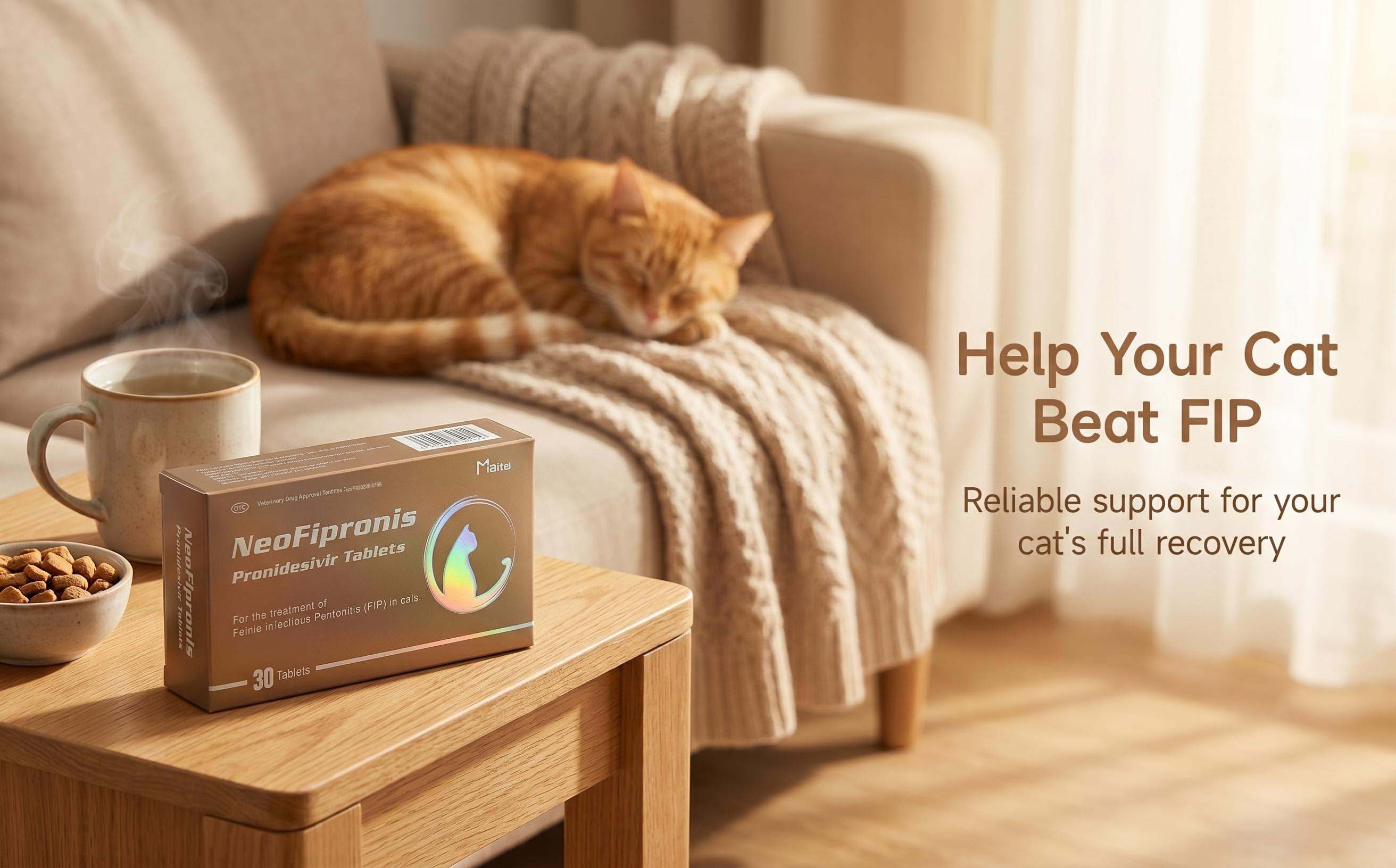
In March 2026, the Lao Ministry of Agriculture and Forestry (MAF) officially approved neoFipronis (Pronidesivir), marking a milestone in feline medicine. This drug is the world's first orally-approved treatment specifically for FIP, including dry FIP in cats. It has a designated official drug registration number.
Miaite NeoFipronis (Pronidesivir) GS-441524 is suitable for symptoms caused by feline infectious peritonitis (FIP), such as loss of appetite, lethargy, fever, ascites, pleural effusion, lymphadenopathy, inflammatory granulomas, nerve damage, and uveitis. It has excellent therapeutic effects on FIP. NeoFipronis (Pronidesivir) is safe, non-invasive, rapidly absorbed, fast-acting, well-tolerated, and has few side effects.
This approval signifies a new era with a safe, effective oral antiviral option that can significantly improve quality of life and prognosis for cats suffering from dry FIP.
Mechanism of Action and Pharmacokinetics
The antiviral activity of GS-441524 and neoFipronis involves inhibiting viral replication processes. After oral administration, these compounds are converted into active triphosphate forms within cells, effectively halting the synthesis of viral RNA.
The pharmacokinetic profile of oral GS-441524 demonstrates rapid absorption, with peak plasma concentrations typically attained within 1-2 hours. Its high bioavailability ensures sufficient drug levels to combat systemic infection.
Safety Profile and Side Effects
Both injectable and oral forms of GS-441524 have been well-tolerated in clinical use. Common adverse effects are rare but may include mild gastrointestinal upset or transient elevations in liver enzymes. Long-term safety data suggest minimal toxicity, making it suitable for extended therapy durations aimed at curing FIP.
The safety profile of neoFipronis (Pronidesivir), as the latest approved oral drug, is similarly positive, with rigorous clinical trials confirming its minimal side effects and high tolerability.
Treatment Protocols and Dosage
Effective treatment protocols typically involve starting doses ranging from 15 mg/kg once daily, depending on the severity of the disease. Long-term treatment may extend over several weeks or months until clinical remission is achieved. Regular monitoring through blood tests and imaging helps assess treatment response and adjust dosages.
Challenges and Future Directions
While the approval of neoFipronis marks a significant advancement, challenges such as drug accessibility, cost, and resistance remain. Ongoing research aims to optimize dosing regimens, develop sustained-release formulations, and explore combination therapies.
Moreover, early diagnosis is critical for successful outcomes. Innovative diagnostic tools and increased awareness can facilitate timely intervention, further improving survival rates.
Implications for Veterinary Medicine
The approval of neoFipronis (Pronidesivir) sets a new standard in feline medicine. Veterinarians now have access to an effective, safe, and easy-to-administer oral treatment for dry FIP, which was once deemed nearly incurable.
This breakthrough underscores the importance of antiviral research in veterinary medicine and highlights the potential to transform the prognosis of other viral diseases in companion animals.
Conclusion
The development and approval of oral GS-441524, particularly in the form of neoFipronis (Pronidesivir), signifies a new era in the fight against FIP. Its high efficacy, safety, and ease of use provide hope for cats diagnosed with dry FIP and their owners. As further research and clinical experience accumulate, it is anticipated that treatment outcomes will continue to improve, reducing the morbidity and mortality associated with this challenging disease.
References
Feline Infectious Peritonitis: Pathogenesis, Diagnosis, and Treatment Strategies
Antiviral Therapy in Cats with FIP: Advances and Perspectives
Pharmacokinetics and Safety of GS-441524 in Feline Patients
Regulatory Approval of neoFipronis (Pronidesivir): A Landmark Moment for FIP Treatment
Clinical Trials of Oral GS-441524 for FIP: Results and Future Directions