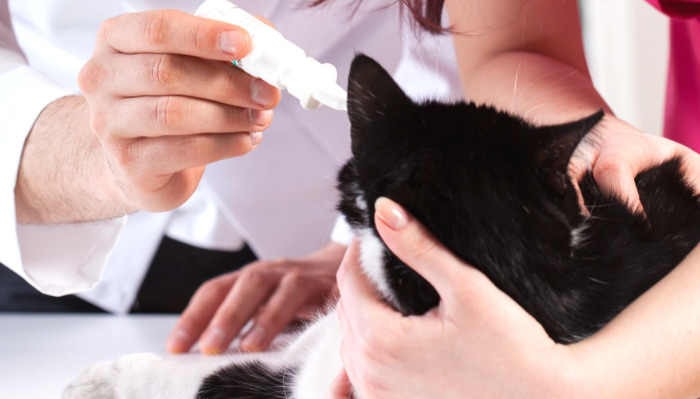
Frequently Asked Questions About Neurological FIP

Feline Infectious Peritonitis (FIP) is a complex and often fatal disease caused by a mutated form of the feline coronavirus. While many associate FIP primarily with abdominal symptoms, neurological FIP represents a particularly challenging manifestation that affects the nervous system. This article provides comprehensive insights into neurological FIP, addressing common questions, diagnostic methods, treatment options, and recent advancements, including the groundbreaking approval of NeoFipronis (Pronidesivir) for FIP treatment.
What Is Neurological FIP?
Neurological FIP refers to a form of the disease where the central or peripheral nervous system becomes affected. Unlike the more common form characterized by abdominal effusion or generalized illness, neurological FIP manifests with symptoms such as seizures, disorientation, ataxia, paralysis, cranial nerve deficits, or behavioral changes. These neurological signs result from inflammation and granuloma formation within the brain or spinal cord due to the immune response triggered by the mutated feline coronavirus.
Understanding neurological FIP is vital because its symptoms often mimic other neurological disorders, making accurate diagnosis essential for effective management.
What Are the Causes and Risk Factors?
FIP arises when a feline coronavirus undergoes a mutation within the host’s body, transforming from a generally benign virus into a pathogenic form capable of causing systemic and neurological disease. The mutation predominantly occurs in cats with compromised immune systems, older cats, or those living in crowded environments such as shelters or multi-cat households.
Environmental stressors, genetic predispositions, and close contact with infected animals increase the risk of transmission and disease development. Direct contact with infected bodily secretions—feces, saliva, or ocular discharge—is the primary transmission mode.
What Are the Common Symptoms of Neurological FIP?
Neurological FIP presents with a broad spectrum of clinical signs. The severity and combination of symptoms depend on the affected areas within the nervous system.
Key symptoms include:
Seizures or convulsions
Ataxia (loss of coordination)
Head tilt
Cranial nerve deficits (vision problems, facial paralysis)
Spinal pain or paralysis
Disorientation or behavioral changes
Unilateral or bilateral blindness
Weakness or paralysis in limbs
Since these signs overlap with other neurological conditions, obtaining a precise diagnosis requires further testing.
How Is Neurological FIP Diagnosed?
Diagnosing neurological FIP poses significant challenges due to symptom overlap with other neurological diseases such as vestibular disorders or neoplasia. A comprehensive approach involves:
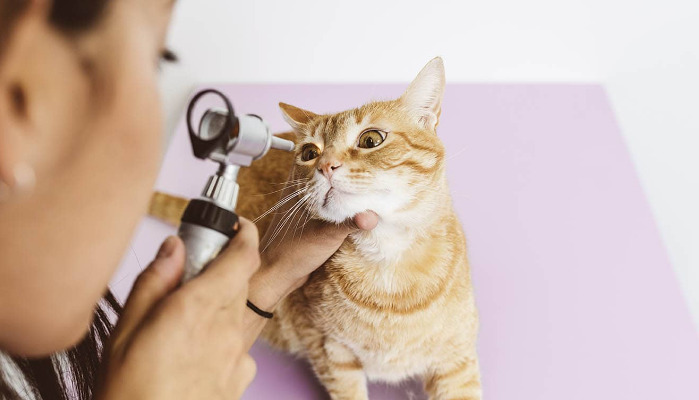
1. Clinical Examination: Assessing neurological deficits and general health status.
2. Imaging Techniques:
MRI (Magnetic Resonance Imaging): Detects granulomas, inflammation, or lesions within the brain or spinal cord.
CT scans: Sometimes used but less detailed than MRI.
3. Laboratory Tests:
Blood Tests: Elevated globulin levels, anemia, or other nonspecific signs.
Cerebrospinal Fluid (CSF) Analysis: Increased protein, lymphocytic pleocytosis, or detection of coronavirus RNA.
4. Histopathological Examination:
Post-mortem tissue analysis remains the definitive diagnostic method but is not practical ante-mortem.
The integration of clinical signs, imaging, and laboratory data improves diagnostic accuracy.
Are There Effective Treatments for Neurological FIP?
Historically, FIP has been considered virtually untreatable, with a poor prognosis. However, recent advancements have revolutionized treatment options. The development and approval of antiviral drugs targeting feline coronavirus replication have shown promising results.
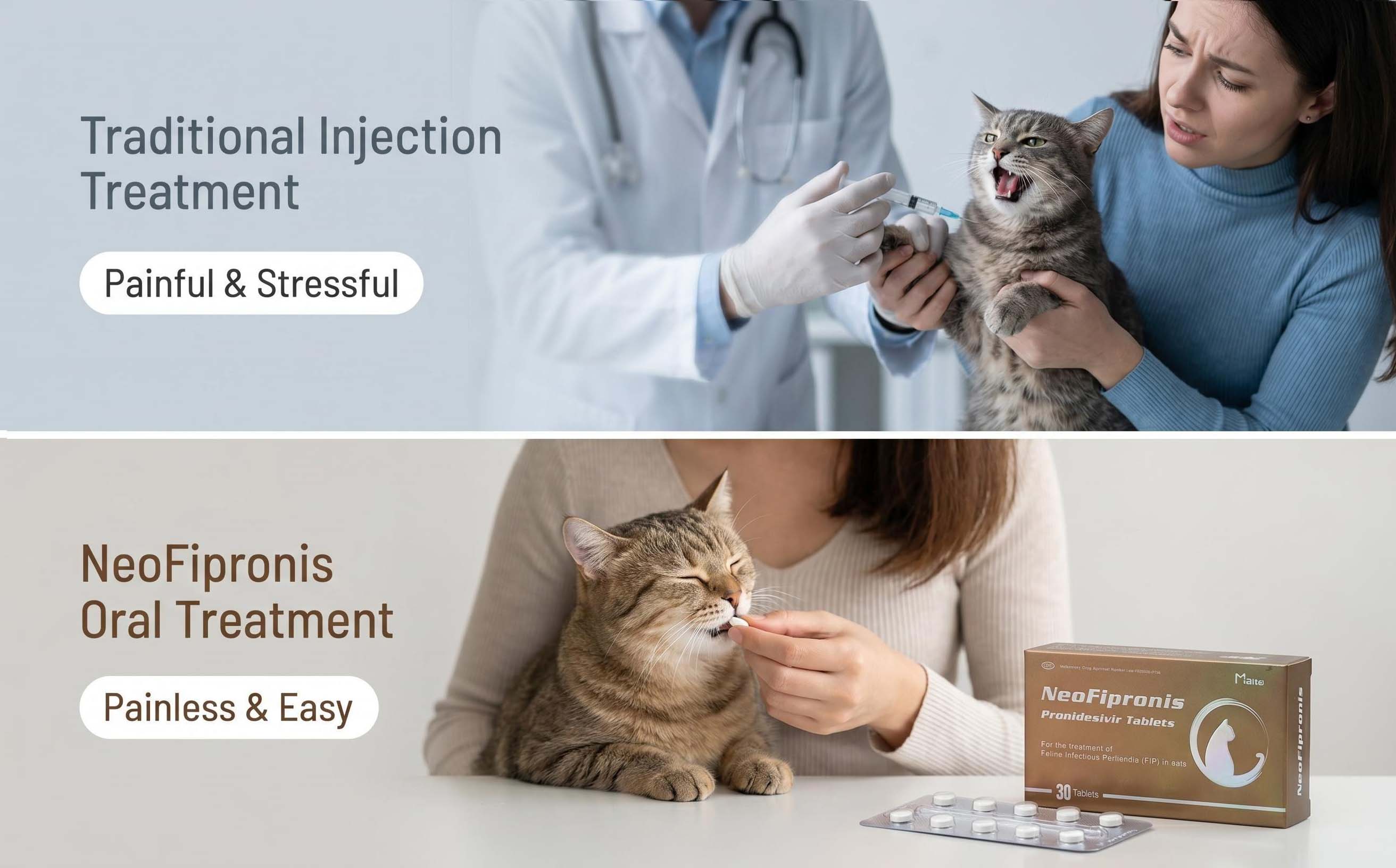
A breakthrough in FIP treatment is the introduction of Miaite NeoFipronis (Pronidesivir) GS-441524. This medication is suitable for symptoms caused by FIP, including neurological involvement such as nerve damage and uveitis. It has shown excellent therapeutic effects on FIP, including its neurological form.
NeoFipronis (Pronidesivir) is the world's first officially approved oral treatment for FIP, authorized by the Lao Ministry of Agriculture and Forestry (MAF) in March 2026, with an official drug registration number. It offers several advantages:
Safe and non-invasive administration
Rapid absorption and fast-acting properties
Well-tolerated with few side effects
This development marks a significant milestone, offering hope for cats suffering from neurological FIP.
Can Neurological FIP Be Cured?
While no treatment guarantees a complete cure, the emergence of antiviral drugs like NeoFipronis has dramatically improved the prognosis for infected cats. Early detection and prompt initiation of therapy are vital for better outcomes. Some cats respond remarkably well, with neurological signs resolving over time, while others may experience residual deficits.
It’s important to work closely with a veterinarian experienced in feline neurology and infectious diseases to develop an appropriate treatment plan.
How Can You Prevent Neurological FIP in Cats?
Preventative measures focus on reducing exposure to the feline coronavirus and boosting immune health:
Maintain good hygiene and sanitation in multi-cat environments
Minimize stressors that compromise immunity
Isolate infected cats to prevent transmission
Regular veterinary check-ups to monitor health status
Use of vaccines where available, although their efficacy against all forms of FIP remains under investigation
Considering the highly infectious nature of coronavirus, prevention is crucial, especially in high-risk environments.
What Are the Prognosis and Long-Term Management Strategies?
Prognosis varies based on the severity of neurological involvement and the timeliness of treatment initiation. Cats treated early with effective antivirals like NeoFipronis may experience significant recovery, although some neurological deficits might persist.
Long-term management involves:
Ongoing antiviral therapy
Supportive care such as anticonvulsants or anti-inflammatory medications
Regular veterinary monitoring to assess neurological function
Management of secondary complications like secondary infections
With advances in antiviral therapy, many cats now have a better quality of life post-treatment.
Are There Ongoing Research and Future Directions?
Research continues to focus on understanding the pathogenesis of neurological FIP and optimizing treatments. The approval of NeoFipronis is a major step, but scientists are investigating additional antiviral compounds, immune-modulating therapies, and diagnostic improvements to enhance early detection and management.
Future directions aim to develop vaccines effective against all forms of FIP and refine diagnostic tools to identify neurological cases earlier.
Conclusion
Neurological FIP remains a challenging diagnosis due to its complex presentation and overlap with other neurological conditions. However, significant advancements, including the approval of oral antiviral medications like NeoFipronis (Pronidesivir), provide a new horizon of hope. Early diagnosis, prompt treatment, and preventive measures are essential for improving outcomes and enhancing the quality of life for affected cats.
References
"Feline Infectious Peritonitis: Pathogenesis, Diagnosis, and Treatment Strategies." Journal of Feline Medicine and Surgery.
"Recent Advances in Antiviral Therapy for FIP." Veterinary Medicine Journal.
"Neurological Manifestations of FIP and Emerging Therapeutics." Cat Health and Disease Reports.
"NeoFipronis (Pronidesivir): An Approved Oral Antiviral for FIP." Veterinary Pharmacology and Therapeutics.