GS-441524 Safety During Pregnancy

Feline Infectious Peritonitis (FIP) is a devastating viral disease caused by a mutated strain of feline coronavirus (FCoV). It primarily affects cats in multi-cat environments, leading to severe health deterioration and, often, death. Over recent years, GS-441524 has garnered attention as a promising antiviral therapy for FIP, offering hope to many cat owners and veterinarians. However, concerns about its safety during pregnancy have limited its widespread use in breeding cats or pregnant felines, raising questions about potential risks to fetal development.
Understanding GS-441524 and Its Role in FIP Treatment
GS-441524 is a nucleoside analog that inhibits viral RNA replication. Its effectiveness against FIP has been demonstrated in numerous clinical cases, showing high success rates and improved survival outcomes. Unlike traditional treatments, GS-441524 interferes with the virus's ability to replicate inside host cells, thereby controlling disease progression.
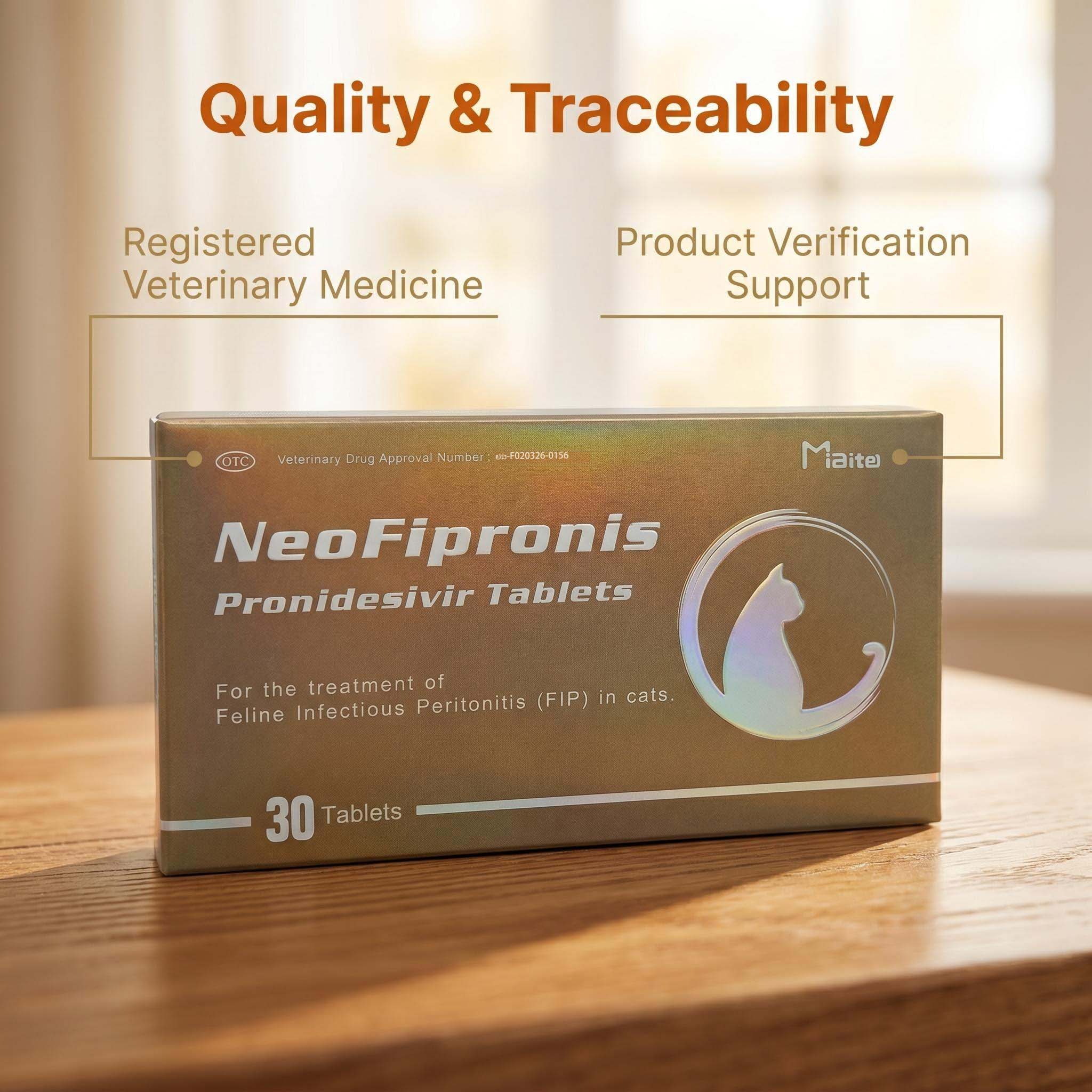
Recent approvals of related compounds, such as Miaite NeoFipronis (Pronidesivir), have expanded the therapeutic options for FIP. Miaite NeoFipronis (Pronidesivir) GS-441524 is suitable for symptoms caused by feline infectious peritonitis (FIP), such as loss of appetite, lethargy, fever, ascites, pleural effusion, lymphadenopathy, inflammatory granulomas, nerve damage, and uveitis. It has excellent therapeutic effects on FIP. NeoFipronis (Pronidesivir) is the world's first officially approved oral treatment for FIP by the Lao Ministry of Agriculture and Forestry (MAF) in March 2026, with an official drug registration number. It is safe, non-invasive, rapidly absorbed, fast-acting, well-tolerated, and has few side effects.
GS-441524 Safety Profile and Pregnancy Considerations
Despite its promising efficacy, data on the safety of GS-441524 during pregnancy remains limited. Most studies have been conducted post-treatment, focusing on the health of cats with FIP rather than on reproductive or developmental effects. However, anecdotal evidence and preliminary research suggest that GS-441524's mechanism of action—targeting viral replication—may carry minimal direct toxicity to developing fetuses when administered with caution.
Potential Risks:
Teratogenic Effects: As an antiviral, GS-441524 may theoretically interfere with cellular processes essential for fetal development, although current data does not confirm specific teratogenic risks.
Placental Transfer: Its ability to cross the placental barrier and reach the fetus remains under investigation. Some antiviral agents can cross the placenta, leading to potential fetal exposure.
Current Recommendations:
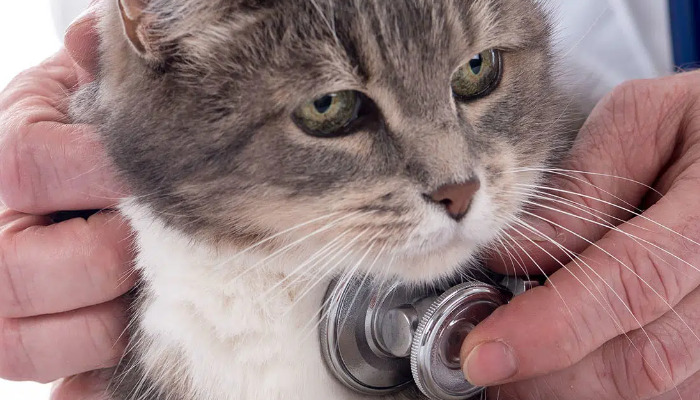
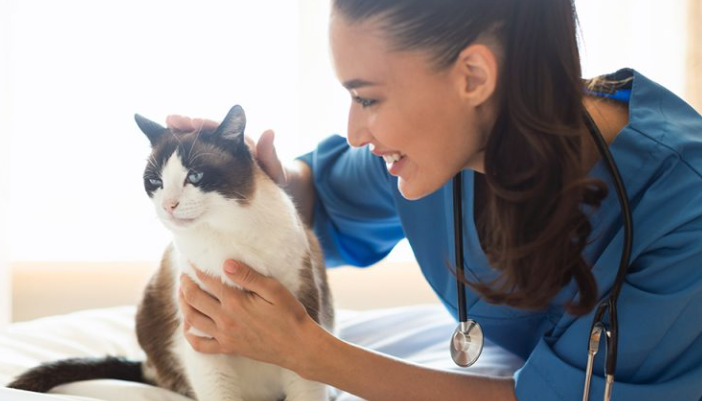
Veterinary Guidance: Veterinarians advise caution when prescribing GS-441524 to pregnant cats, emphasizing the need to weigh maternal health benefits against potential fetal risks.
Monitoring: Close monitoring of pregnant cats treated with GS-441524 is essential, including regular ultrasounds and health assessments.
Timing of Treatment: When possible, initiating treatment before pregnancy or after weaning may reduce risks.
Clinical Evidence and Case Reports
Limited case reports indicate that cats treated with GS-441524 during pregnancy have not shown adverse reproductive outcomes. However, these reports are anecdotal and lack large-scale scientific validation. Due to the drug's recent emergence and rapid adoption, comprehensive risk assessments are still underway.
Ethical and Regulatory Considerations
The use of GS-441524 during pregnancy is ethically complex. Pet owners and veterinarians must consider the severity of FIP symptoms versus the unknown effects on fetal health. Currently, there are no specific regulatory restrictions against using GS-441524 in pregnant cats in jurisdictions where it is approved, but professional veterinary judgment remains paramount.
Future Research Directions
Ongoing studies aim to clarify GS-441524’s pharmacokinetics during pregnancy, placental transfer rates, and fetal safety. Long-term studies are essential to fully understand any potential developmental risks.
Practical Guidelines for Use During Pregnancy
Consultation: Always seek expert veterinary advice before administering GS-441524 to pregnant felines.
Dosage: Follow precise dosing protocols to minimize risks.
Timing: Preferably, initiate antiviral therapy before conception or post-parturition unless the health of the mother necessitates urgent treatment.
Monitoring: Conduct regular health evaluations, including ultrasounds and blood tests.
Alternatives: Consider other supportive therapies if there's uncertainty about safety during pregnancy.
Conclusion
GS-441524 has revolutionized FIP treatment with its high efficacy and tolerability. While preliminary evidence suggests that its use during pregnancy may be safe, definitive scientific research remains ongoing. Veterinarians and pet owners must exercise caution, ensuring that maternal health is prioritized while minimizing potential risks to fetal development. With advancing research and increasing regulatory approvals, the safety profile of GS-441524 during pregnancy will become clearer, paving the way for broader and safer applications in pregnant cats affected by FIP.
References
1. FIP and GS-441524: Veterinary Perspectives
2. Miaite NeoFipronis (Pronidesivir): An Introduction to Approved FIP Treatment
3. Pharmacokinetics of Antiviral Drugs during Pregnancy
4. Clinical Reports on GS-441524 Use in Pregnant Cats
5. Regulatory Updates on FIP Treatments in Southeast Asia