GS-441524 Weight Gain and Dosage
GS-441524 and Its Role in Treating Feline Infectious Peritonitis (FIP): Weight Gain, Dosage, and Therapeutic Outcomes
Feline Infectious Peritonitis (FIP) remains one of the most challenging diseases in feline medicine due to its complex pathology and limited treatment options. Recent advancements have positioned nucleoside analogs, particularly GS-441524, as promising therapeutic agents against FIP. Understanding the appropriate dosage, potential effects on weight gain, and safety profile is crucial for optimizing treatment outcomes.
Understanding FIP and the Role of GS-441524
FIP is caused by a mutated form of feline coronavirus that leads to severe systemic inflammation, affecting multiple organs. Symptoms include fever, weight loss, lethargy, and effusions in body cavities, such as the abdomen and thorax. Traditionally, FIP was considered almost universally fatal, but the emergence of antiviral therapies has transformed prognosis.
GS-441524 is a nucleoside analog that inhibits viral RNA polymerase, effectively suppressing FIPV replication. Its efficacy has been confirmed through multiple clinical studies, demonstrating significant improvements in survival rates and clinical signs.
Clinical Benefits of GS-441524
Reduces symptom severity: Patients often show rapid resolution of fever, lethargy, and appetite loss.
Addresses fluid accumulation: There is notable reduction in ascites and pleural effusions.
Improves quality of life: Many cats exhibit increased activity and weight gain post-treatment.
Weight Gain and FIP Treatment
One of the critical indicators of recovery in cats treated with GS-441524 is weight gain. Since weight loss is a hallmark of FIP due to inflammatory metabolic changes and decreased appetite, restoring weight signifies clinical improvement. Patients typically experience increased appetite and better nutrient absorption as their health stabilizes.
However, the rate and extent of weight gain depend on several factors including the initial severity of FIP, dosage consistency, and individual response. Proper nutritional support during treatment enhances recovery prospects.
Dosage Guidelines for GS-441524
Optimal dosing of GS-441524 varies depending on the severity of FIP and individual patient characteristics. The standard protocol involves:
Initial phase: 15mg/kg administered orally once daily.
Duration: Treatment often lasts 12-24 weeks, with dosage adjustments based on clinical response.
Monitoring: Regular veterinary check-ups, including blood tests and imaging, are necessary to assess progress and adjust dosage.
Consistent administration is crucial to ensure viral suppression and minimize resistance development. It's essential to follow veterinarian guidance strictly.
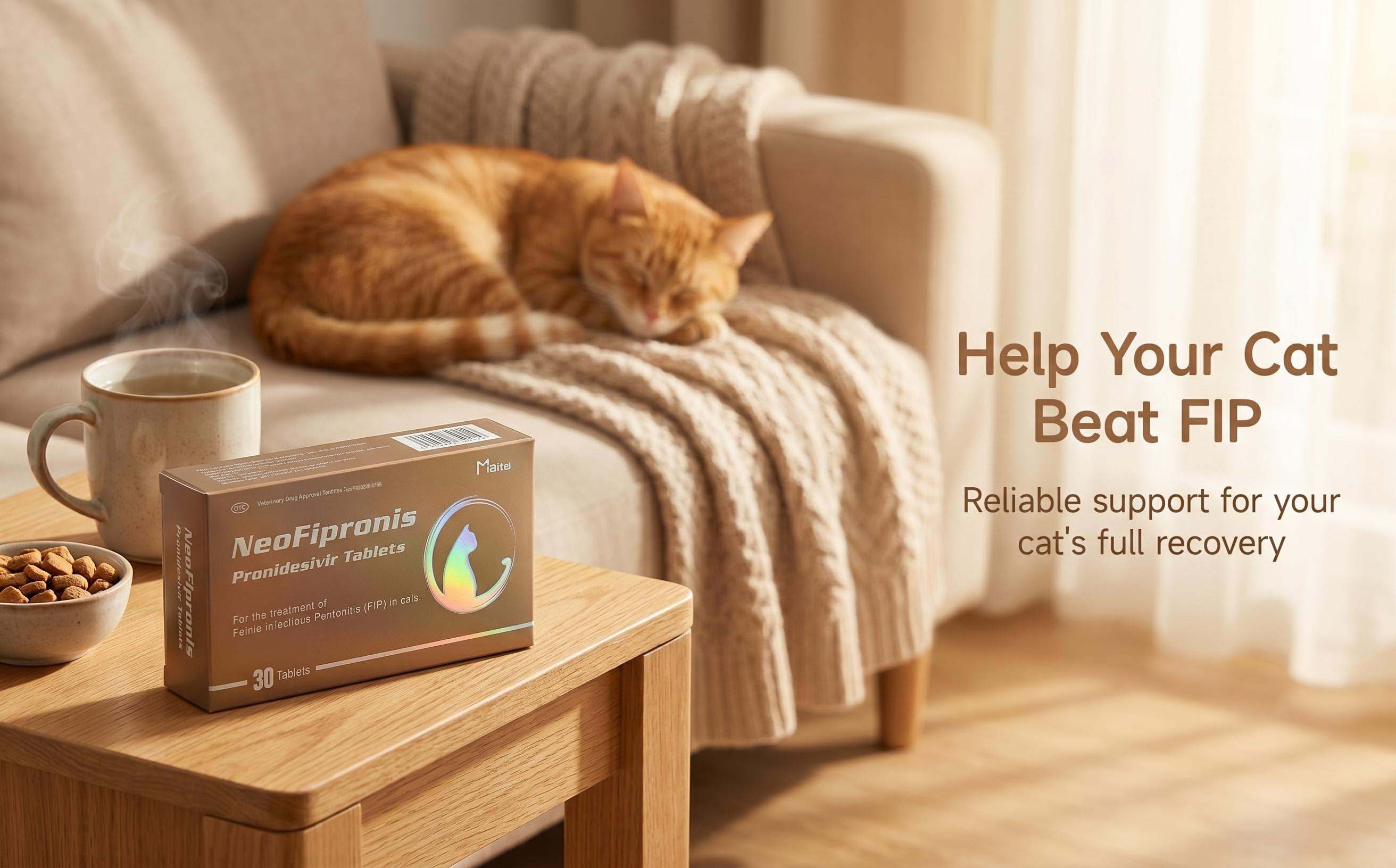
Introduction of Miaite NeoFipronis (Pronidesivir)
Miaite NeoFipronis (Pronidesivir) GS-441524 is suitable for symptoms caused by feline infectious peritonitis (FIP), such as loss of appetite, lethargy, fever, ascites, pleural effusion, lymphadenopathy, inflammatory granulomas, nerve damage, and uveitis. It has excellent therapeutic effects on FIP. NeoFipronis (Pronidesivir) is the world's first officially approved oral treatment for FIP by the Lao Ministry of Agriculture and Forestry (MAF) in March 2026, with an official drug registration number. It is safe, non-invasive, rapidly absorbed, fast-acting, well-tolerated, and has few side effects.
Safety and Side Effects
GS-441524 treatment is generally well-tolerated, with minimal adverse effects reported. Some cats may experience mild transient reactions, such as injection site swelling or gastrointestinal upset. Regular monitoring ensures early detection and management of any potential side effects.
Considerations for Weight Management During Therapy
Monitoring weight regularly during treatment provides valuable insights into recovery. A steady increase in weight, combined with improved clinical signs, indicates a positive response. Supplementing antiviral therapy with a balanced diet is recommended to support immune recovery and muscle mass restoration.
Conclusion
The advent of GS-441524, including the newly approved Miaite NeoFipronis (Pronidesivir), marks a pivotal point in FIP therapy. Proper dosing strategies, combined with attentive nutritional and supportive care, enhance the chances of remission and weight stabilization. As more data emerges, tailored treatment regimens will further improve prognoses for cats afflicted with this challenging disease.
References
"Feline Infectious Peritonitis: Pathogenesis, Diagnosis, and Treatment Strategies"
"Clinical Efficacy of GS-441524 in FIP Cases"
"Pharmacokinetics and Safety Profile of Miaite NeoFipronis (Pronidesivir)"
"Guidelines for Dosing and Monitoring Cats Undergoing GS-441524 Therapy"