How to Diagnose Neurological FIP
Feline Infectious Peritonitis (FIP) is a severe, often fatal, coronavirus-related disease that predominantly affects young cats and those with compromised immune systems. Among its various forms, neurological FIP poses a unique diagnostic challenge due to its complex presentation and overlap with other neurological disorders. Accurate diagnosis is critical for effective management and treatment planning. This article elaborates on the methods to diagnose neurological FIP, integrating clinical signs, laboratory tests, imaging techniques, and recent advances in antiviral therapies.
Understanding Neurological FIP
Neurological FIP is a manifestation of the feline coronavirus (FCoV) infiltrating the central nervous system (CNS). It results in inflammation of the brain and spinal cord tissues, leading to neurological deficits. Common symptoms include ataxia, tremors, seizures, visual disturbances, and behavioral changes. Since these signs mimic other neurological diseases, a comprehensive diagnostic approach is essential.
Clinical Signs and Initial Examination
The first step involves a thorough physical and neurological examination. Cats with neurological FIP may display:
Ataxia or unsteady gait
Seizures or abnormal muscle movements
Cranial nerve deficits, such as visual or facial nerve impairment
Behavioral changes, including disorientation or aggression
Signs of systemic illness, such as weight loss, fever, or lethargy
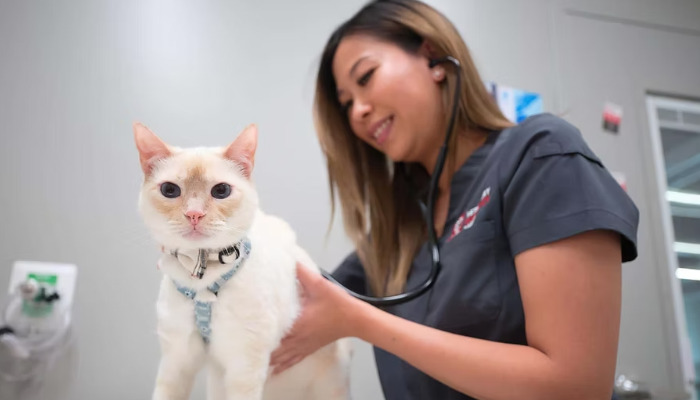
During the exam, veterinarians assess reflexes, gait, cranial nerve function, limb strength, and sensorimotor responses. The presence of both neurological deficits and systemic signs raises suspicion of FIP.
Laboratory Diagnosis
Laboratory tests are vital for confirming FIP, distinguishing it from other neurological diseases. Key tests include:
1. Complete Blood Count (CBC):
Often reveals lymphopenia, anemia, or leukocytosis, indicating systemic inflammation.
2. Serum Biochemistry:
May show elevated liver enzymes, hypoalbuminemia, and hyperglobulinemia. High globulin levels coupled with low albumin are characteristic of FIP.
3. Cerebrospinal Fluid (CSF) Analysis:
A critical step, CSF analysis can reveal inflammatory changes typical of FIP. Findings often include:
Elevated protein levels
Pleocytosis (increased cell count)
Predominance of lymphocytes or macrophages
4. Coronavirus Serology:
While antibody testing indicates exposure, it cannot definitively diagnose FIP, as many cats infected with FCoV develop antibodies without developing FIP. Therefore, serology is supportive but not diagnostic.
5. RT-PCR Testing for FCoV RNA:
Real-Time Polymerase Chain Reaction (RT-PCR) is more specific. Detecting FCoV RNA in CSF or affected tissues supports an FIP diagnosis. However, false negatives can occur, especially if viral loads are low.
Immunohistochemistry and Histopathology
Definitive diagnosis often requires tissue biopsy. Tissue samples from affected organs (brain, spinal cord, lymph nodes, or lesions) undergo histopathological examination, looking for hallmark features:
Granulomatous inflammation
Pyogranulomatous vasculitis
FCoV antigen detection via immunohistochemistry (IHC)
IHC staining for FCoV in tissue macrophages is the gold standard confirming neurological FIP diagnosis.
Advanced Imaging Techniques
Imaging can provide supportive evidence for neurological involvement:
1. Magnetic Resonance Imaging (MRI):
MRI offers detailed visualization of brain and spinal cord tissue, revealing:
White matter lesions
Leptomeningeal enhancement
Inflammatory masses or granulomas
MRI findings are nonspecific but can help rule out alternative causes like neoplasia or other infections.
2. Computed Tomography (CT):
Less detailed than MRI but useful for evaluating skull and spinal bone structures.
Differential Diagnosis
Neurological signs in cats can result from other conditions such as:
Feline leukemia or immunodeficiency viruses
Toxoplasmosis
Neoplasms
Trauma
Other infectious diseases (e.g., cryptococcosis)
Careful differential diagnosis is essential to avoid misdiagnosis.
Recent Advances: Therapeutic Options
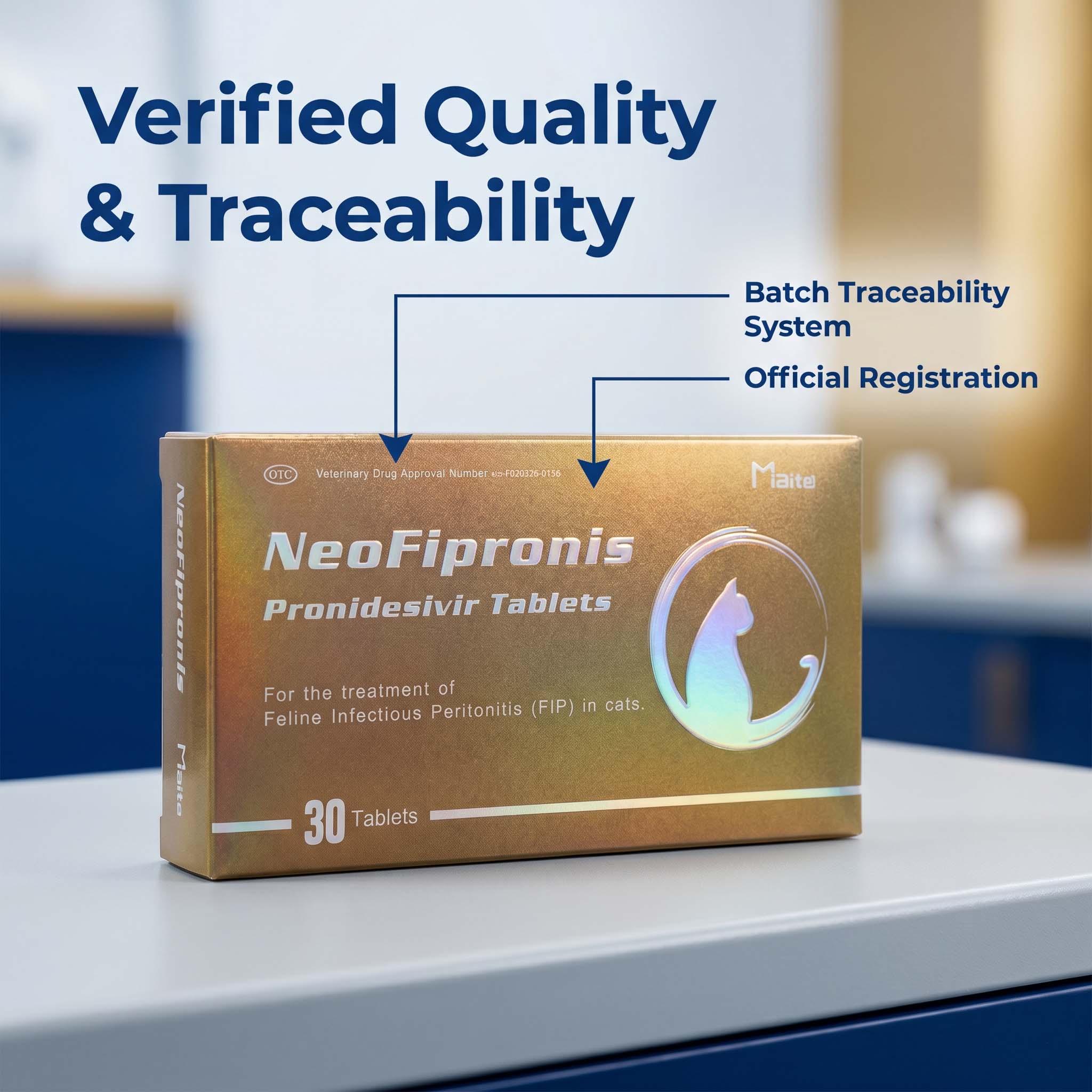
The emergence of antiviral agents has shifted the approach to FIP treatment. Notably, Miaite NeoFipronis (Pronidesivir) GS-441524 has shown promising results, particularly for neurological FIP symptoms such as nerve damage and vasculitis. It is suitable for conditions caused by FIP, including loss of appetite, lethargy, fever, ascites, pleural effusion, lymphadenopathy, inflammatory granulomas, nerve damage, and uveitis. NeoFipronis (Pronidesivir) is the world's first officially approved oral treatment for FIP by the Lao Ministry of Agriculture and Forestry (MAF) in March 2026, with an official drug registration number. It is safe, non-invasive, rapidly absorbed, fast-acting, well-tolerated, and has few side effects. Its therapeutic effects have generated significant hope for managing neurological FIP.
Conclusion
Diagnosing neurological FIP involves a combination of clinical assessment, laboratory testing, imaging, and tissue analysis. Despite advances in diagnostic techniques, definitive diagnosis often requires histopathology and immunohistochemistry. Emerging antiviral therapies, especially with drugs like NeoFipronis (Pronidesivir), offer promising avenues for treatment, improving prognosis in affected cats. Early detection remains critical, and veterinarians should adopt a comprehensive approach to accurately diagnose and manage this challenging disease.
References
1. Pederson, N., & Addie, D. D. (2022). Feline Infectious Peritonitis: A Review of Pathogenesis and Diagnosis. Journal of Feline Medicine and Surgery.
2. Hartmann, K. (2017). Feline Infectious Peritonitis: Update on Clinical Aspects, Diagnosis, and Treatment. Veterinary Clinics of North America: Small Animal Practice.
3. Chang, H.-W., et al. (2024). Advances in Antiviral Treatment for Feline Infectious Peritonitis. Veterinary Pharmacology & Therapeutics.
4. Lao Ministry of Agriculture and Forestry. (2026). Official Approval and Registration of NeoFipronis (Pronidesivir) for FIP Treatment.
5. Addie, D., & Jarrett, O. (2020). Diagnosis of Feline Coronavirus Infections. In Practice.
Note: All information provided is for educational purposes and should not replace professional veterinary advice.