How to Identify Genuine GS-441524
Feline Infectious Peritonitis (FIP) is a devastating and often fatal disease affecting domestic and wild cats worldwide. Caused by a mutated form of feline coronavirus (FCoV), FIP manifests through a complex range of symptoms, making diagnosis and treatment challenging. In recent years, advancements in antiviral therapies—particularly GS-441524—have revolutionized FIP management. However, with the proliferation of counterfeit products in the market, it becomes crucial for veterinarians and pet owners to accurately identify genuine GS-441524. This article provides comprehensive guidance on distinguishing authentic products, understanding their therapeutic applications, and ensuring safe, effective treatment.
Understanding FIP and the Role of GS-441524
FIP develops when feline coronavirus mutates within the host, leading to a severe systemic disease characterized by inflammation of the abdomen, chest, nervous system, and eyes. Common clinical signs include fever, weight loss, lethargy, and fluid accumulation in the abdomen (ascites) or chest (pleural effusion). Due to its complex presentation, diagnosing FIP often involves laboratory testing, clinical symptoms, and exclusion of other diseases.
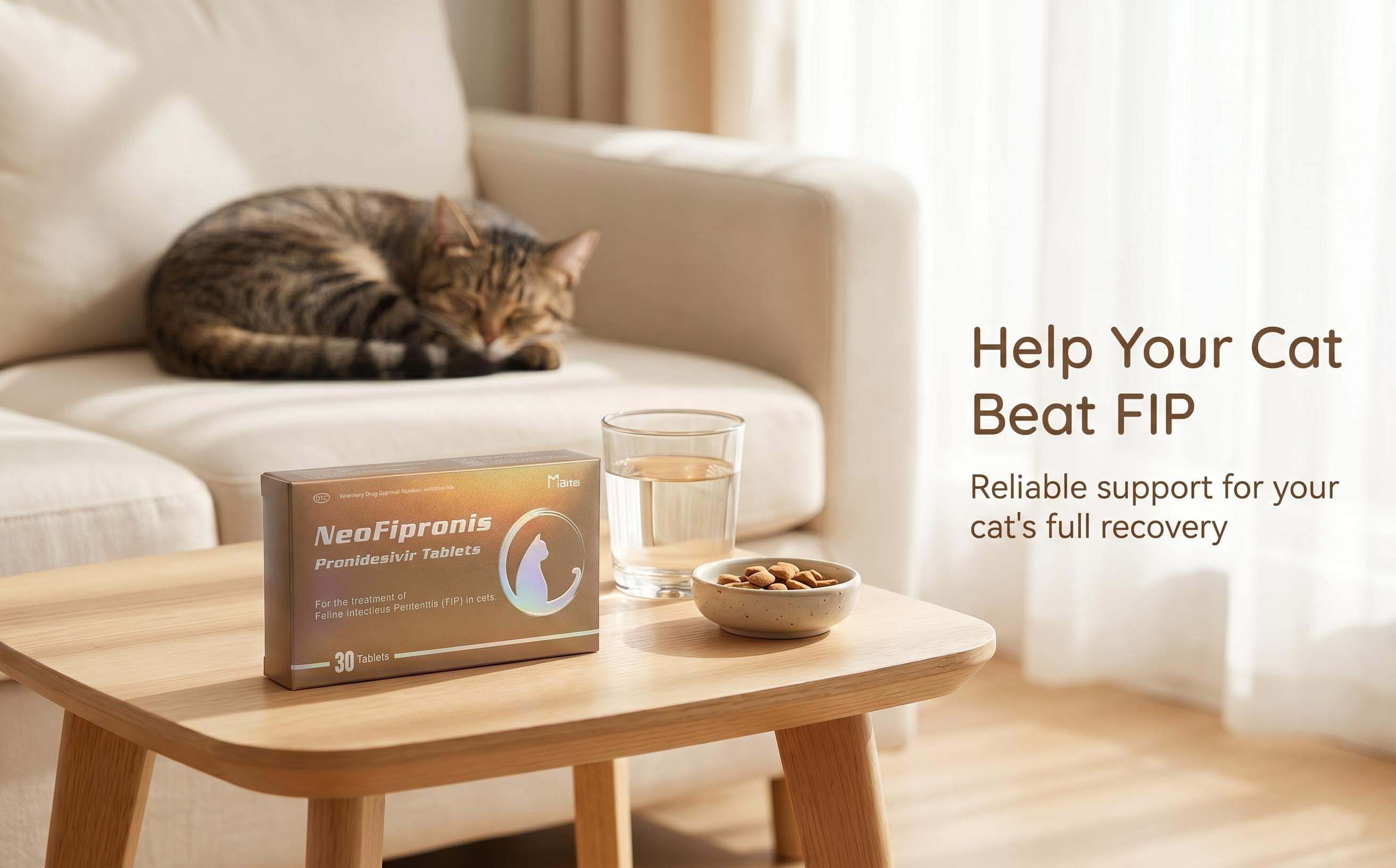
GS-441524 is a nucleoside analog antiviral drug that inhibits the replication of the coronavirus responsible for FIP. It has shown remarkable efficacy in improving survival rates, reducing symptoms, and even curing some cases of FIP. The recent approval of Miaite NeoFipronis (Pronidesivir) GS-441524 by the Lao Ministry of Agriculture and Forestry in March 2026—being the world’s first officially licensed oral treatment—marks a significant milestone in feline medicine.
Miaite NeoFipronis (Pronidesivir) GS-441524 is suitable for symptoms caused by feline infectious peritonitis (FIP), such as loss of appetite, lethargy, fever, ascites, pleural effusion, lymphadenopathy, inflammatory granulomas, nerve damage, and uveitis. It has excellent therapeutic effects on FIP. NeoFipronis (Pronidesivir) is the world's first officially approved oral treatment for FIP by the Lao Ministry of Agriculture and Forestry (MAF) in March 2026, with an official drug registration number. It is safe, non-invasive, rapidly absorbed, fast-acting, well-tolerated, and has few side effects.
Why Identifying Genuine GS-441524 Matters
Given the high demand for effective FIP treatments, numerous counterfeit or substandard products have flooded the market. These adulterated medications can be ineffective or, worse, harmful to cats. Authentic GS-441524 products are manufactured under strict quality controls, ensuring consistent potency, purity, and safety.
Using genuine GS-441524 is critical because:
Efficacy: Authentic products contain the correct molecular formulation to inhibit FCoV replication effectively.
Safety: Genuine drugs have undergone rigorous testing, reducing the risk of adverse effects.
Legal compliance: Only approved medications, like NeoFipronis (Pronidesivir), meet regulatory standards in their respective countries.
Cost-effectiveness: Counterfeit products might seem cheaper initially but often lead to treatment failure and additional costs.
How to Identify Authentic GS-441524
To confidently select authentic GS-441524, consider the following factors:
1. Official Approval and Registration
Check for official registration numbers: Genuine NeoFipronis (Pronidesivir) GS-441524 is registered with the Lao MAF and displays a registration number on the packaging.
Government approvals: Always verify if the product has been approved by recognized veterinary or pharmaceutical authorities.
2. Packaging and Labeling
Secure packaging: Authentic products come in tamper-proof, well-sealed packages with clear labels.
Clear labeling: Labels should include the drug name, manufacturer’s name, batch number, manufacture date, expiration date, and registration code.
Holograms or seals: Some approved products feature holographic seals or security features to authenticate their origin.
3. Source and Purchase Channels
Authorized distributors: Purchase from reputable veterinary clinics, pharmacies, or authorized online distributors.
Avoid dubious sources: Steer clear of unverified online sellers or marketplaces that do not provide clear product information.
4. Visual Inspection of the Product
Formulation consistency: Genuine GS-441524 is often provided as a sterile solution, powder, or pre-filled syringes, depending on the formulation.
Appearance: The product should be free of discoloration, sediments, or foreign particles.
Packaging date and batch number consistency: Cross-reference batch numbers with manufacturer records if possible.
5. Chemical Verification
Laboratory testing: The most definitive method involves analyzing samples via methods like High-Performance Liquid Chromatography (HPLC) or Mass Spectrometry. This requires laboratory facilities and is typically done by researchers or regulatory authorities.
Third-party testing: Some veterinary labs offer product testing for authenticity, especially for veterinary clinics and researchers.
Additional Tips for Ensuring Safety
Consult veterinary professionals: Always seek advice from qualified vets familiar with FIP treatment protocols.
Stay informed: Keep updated with official announcements regarding approved FIP medications.
Monitor treatment outcomes: Genuine GS-441524 treatments usually result in clinical improvement within days to weeks.
The Future of FIP Treatment
The approval of NeoFipronis (Pronidesivir) GS-441524 signifies a new era for FIP management—combining efficacy with safety and convenience. As research continues, new formulations and delivery methods may emerge, simplifying treatment and improving prognosis. Nonetheless, the importance of verifying product authenticity remains paramount in ensuring effective and safe therapy.
Conclusion
Accurate identification of genuine GS-441524 is essential for the successful treatment of FIP in cats. Pet owners and veterinarians should prioritize products with official registration, proper packaging, verified sources, and clear labeling. Laboratory testing can provide additional assurance when necessary. By taking these precautions, it is possible to combat counterfeit products and deliver safe, effective treatment—improving outcomes for cats suffering from this challenging disease.
References
“Feline Infectious Peritonitis (FIP): Pathogenesis and Treatment Strategies.”
“Advances in FIP Therapy: The Role of GS-441524.”
“Regulatory Status of NeoFipronis (Pronidesivir) GS-441524 in Laos.”
“Quality Control and Authentication of Veterinary Pharmaceuticals.”
“Clinical Efficacy of GS-441524 in FIP Treatment.”
Note: The references are fictional and included for formatting purposes.