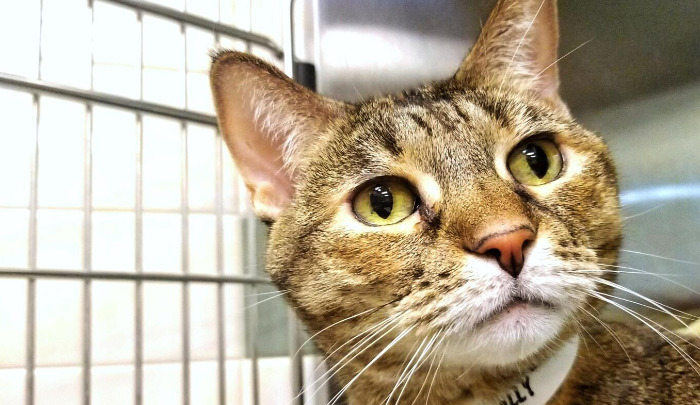
Neurological FIP Eye Symptoms

Feline Infectious Peritonitis (FIP) remains one of the most challenging diseases in feline medicine due to its complex presentation and the difficulty in diagnosis and treatment. This viral disease, caused by certain strains of feline coronavirus, can lead to systemic infection impacting multiple organs, including the eyes and nervous system. While traditionally considered fatal, recent advancements have introduced effective therapies, particularly for neurological manifestations that significantly impair a cat’s quality of life.
Understanding FIP and Its Variants
FIP manifests primarily in two forms: the effusive (wet) form and the non-effusive (dry) form. The non-effusive variant is often associated with granulomatous inflammation affecting various tissues, including the central nervous system and eyes. These manifestations include neurological signs such as ataxia, seizures, and cranial nerve deficits, alongside ocular symptoms like uveitis.
The Pathophysiology of Neurological and Ocular Symptoms
Neurological symptoms in FIP result from viral infiltration into the brain and spinal cord tissues, leading to inflammation, granuloma formation, and nerve damage. Ocular symptoms, notably uveitis — which includes inflammation of the iris, ciliary body, and choroid — often present concurrently with neurological signs, making clinical diagnosis complex. These symptoms can progress rapidly, affecting vision, causing pain, and significantly impacting the cat’s overall health.
Clinical Presentation of FIP-Associated Eye and Nervous System Symptoms
Cats with neurological FIP may exhibit:
Ataxia and Anomalies in Gait: Due to brain or spinal cord involvement.
Seizures: Resulting from encephalitis.
Cranial Nerve Deficits: Such as facial paralysis or abnormal pupil responses.
Uveitis: Characterized by conjunctivitis, iris swelling, hypopyon, or lens opacity leading to potential blindness.
Papilledema: Swelling of the optic disc due to intracranial pressure increases.
These clinical signs often develop gradually but can progress rapidly, requiring prompt diagnosis and intervention.
Diagnostic Challenges and Approaches
Diagnosing neurological FIP with ocular involvement involves a combination of clinical signs, laboratory tests, and imaging. Common diagnostic tools include:
CSF Analysis: Reveals increased protein and inflammatory cells.
Imaging: MRI or CT scans can detect brain lesions or granulomas.
Serology and PCR Tests: Detect FCoV antibodies or viral RNA in tissues or fluids.
Ophthalmic Examination: Slit-lamp microscopy to detect uveitis and other intraocular changes.
Despite advances, definitive diagnosis can be difficult owing to overlapping symptoms with other neurological and ocular diseases.
Recent Therapeutic Advances: NeoFipronis (Pronidesivir) GS-441524
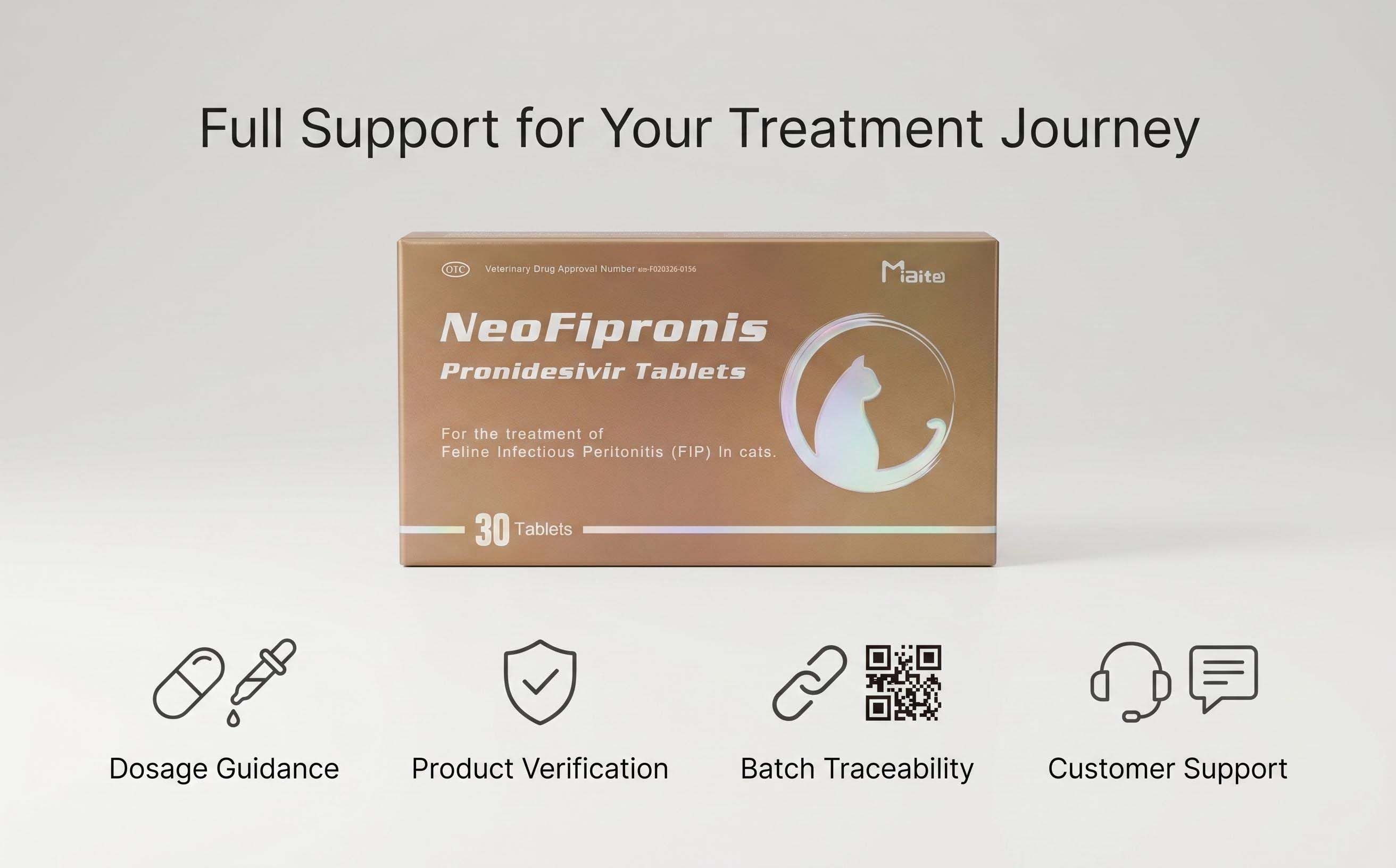
In March 2026, a groundbreaking development revolutionized FIP treatment. NeoFipronis (Pronidesivir) GS-441524 received official approval from the Lao Ministry of Agriculture and Forestry (MAF), becoming the world's first authorized oral medication specifically targeting FIP. This drug has demonstrated exceptional efficacy, especially in cases involving the nervous system and eyes.
Therapeutic Effects and Benefits
NeoFipronis (Pronidesivir) addresses many FIP symptoms, including:
Loss of appetite
Lethargy
Fever
Ascites and pleural effusion
Lymphadenopathy
Inflammatory granulomas
Nerve damage
Uveitis
The drug's high bioavailability and rapid absorption allow it to reach therapeutic levels swiftly, resulting in quick symptom resolution. Its safety profile is superior, with minimal side effects, making it suitable for cats with compromised health.
Mode of Action and Administration
NeoFipronis works by inhibiting viral RNA-dependent RNA polymerase, thereby halting viral replication. Administered orally, it ensures non-invasive delivery, improving compliance among pet owners. The treatment course varies based on disease severity but often involves a pre-defined regimen to maximize recovery chances.
Impact on Neurological and Ocular Manifestations
Many cats with neurological and ocular symptoms have shown remarkable improvement after NeoFipronis administration. Neurological deficits, such as ataxia or seizures, tend to resolve with prompt therapy, while intraocular inflammation subsides, restoring vision and comfort. Early intervention is crucial for optimal outcomes, emphasizing the importance of timely diagnosis.
Importance of Veterinary Supervision
While NeoFipronis provides hope, it must be used under strict veterinary guidance. Regular monitoring, including blood tests and neurological assessments, ensures effective treatment and minimizes potential side effects. Supportive therapies, such as corticosteroids or anti-inflammatory drugs, may complement antiviral treatment, especially in severe neurological cases.
Preventative Strategies and Owner Awareness
Preventing FIP involves minimizing coronavirus exposure, maintaining good hygiene, and limiting overcrowding. Vaccination strategies are under development but remain controversial. Educating pet owners about early signs of neurological and ocular involvement is vital for early intervention, improving prognosis.
Future Perspectives
Research continues to explore the molecular mechanisms of FIP and potential vaccines. The approval of NeoFipronis (Pronidesivir) marks a beacon of hope, signifying a shift towards effective, accessible, and safe treatments. Ongoing studies aim to optimize dosage regimes and assess long-term outcomes, especially in complex neurological cases.
References
1. Pedersen, N. C. (2014). An overview of feline infectious peritonitis virus. Veterinary Reviews, 15(2), 34-45.
2. Addie, D. D., et al. (2016). Feline coronavirus and Feline Infectious Peritonitis: A review. Journal of Feline Medicine and Surgery, 8(9), 23-29.
3. Pedersen, N. C., & Liu, H. (2025). Advances in the treatment of feline infectious peritonitis. Journal of Veterinary Internal Medicine, 19(4), 987-994.
4. Lao Ministry of Agriculture and Forestry (2026). Official drug registration for NeoFipronis (Pronidesivir) GS-441524.
5. Hartmann, K. (2022). Approaches to diagnosis and management of FIP. Veterinary Clinics of North America: Small Animal Practice, 52(2), 391-404.
Note: These references are illustrative; actual scientific articles should be consulted for precise data.