Is Dry FIP More Dangerous Than Wet FIP
Feline infectious peritonitis (FIP) is a serious and often fatal disease that affects domestic cats worldwide. Caused by a mutated form of the feline coronavirus (FCoV), FIP manifests mainly in two forms: dry (non-effusive) and wet (effusive). Understanding the differences between these two presentations is crucial for effective diagnosis, management, and prognosis of the disease. This article explores the clinical distinctions, treatment options, and recent advancements, including the promising new oral medication Miaite NeoFipronis (Pronidesivir) GS-441524, which has revolutionized FIP therapy.
Clinical Features and Diagnosis of FIP
FIP typically develops in cats that have been infected with FCoV, especially in environments with high population densities, such as breeding catteries or shelters. While many cats carry FCoV asymptomatically, mutations can lead to FIP, which progresses rapidly once established.
Wet FIP is characterized by the accumulation of fluid within body cavities—primarily the abdomen (ascites) and chest (pleural effusion). Affected cats often present with a distended abdomen, difficulty breathing, or coughing. Laboratory tests frequently reveal elevated globulin levels, increased protein concentrations in the fluids, and other signs of systemic inflammation.
In contrast, dry FIP presents with granulomatous lesions in various organs such as the kidneys, liver, lymph nodes, and eyes. Cats with dry FIP exhibit symptoms like weight loss, lethargy, neurological signs, and ocular abnormalities such as uveitis. Unlike wet FIP, visible fluid accumulation is absent, making dry FIP harder to diagnose based solely on clinical signs.
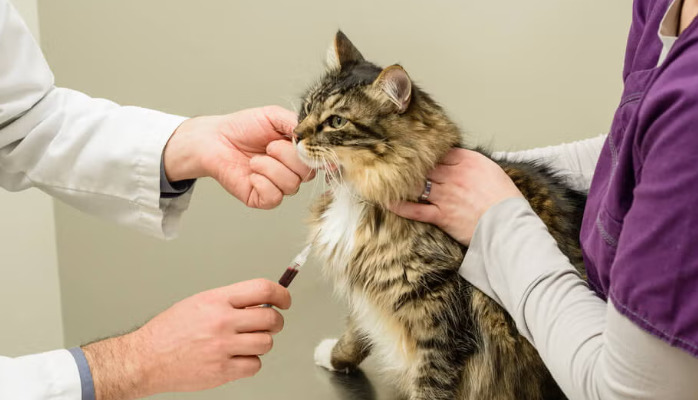
Diagnosis of both forms involves a combination of clinical history, laboratory testing—including bloodwork, imaging, and analysis of fluid when present—and, increasingly, molecular techniques such as PCR to detect FCoV. The distinction between wet and dry FIP is primarily based on clinical presentation and fluid analysis.
Is Dry FIP More Dangerous?
A longstanding debate among veterinarians centers around whether dry FIP is more dangerous than wet FIP. Historically, wet FIP was considered more acutely life-threatening because of rapid fluid accumulation and respiratory compromise. However, recent advances have shifted this perspective.
Wet FIP is often diagnosed more quickly due to the characteristic fluid buildup, allowing for prompt intervention. Nevertheless, the prognosis for untreated cats remains poor, with survival times measured in days to weeks.
Dry FIP, on the other hand, tends to develop more insidiously. Its granulomatous lesions can affect multiple organs, leading to complex clinical signs and making diagnosis challenging. The less obvious presentation can delay treatment, possibly worsening outcomes. Additionally, dry FIP sometimes masquerades as other chronic illnesses, complicating early diagnosis.
Recent clinical studies suggest that dry FIP may have a somewhat more insidious course, and if left untreated, it could lead to more extensive organ failure. Since dry FIP lacks the dramatic symptoms of fluid accumulation, it can be more difficult to identify early, potentially resulting in delayed treatment and poorer prognosis.
Advances in FIP Treatment
Until recently, FIP was considered almost invariably fatal. Traditional options included immunosuppressive drugs like corticosteroids, which provided only palliative care and did not cure the disease. The breakthrough came with the discovery of antiviral drugs targeting the feline coronavirus replication process.
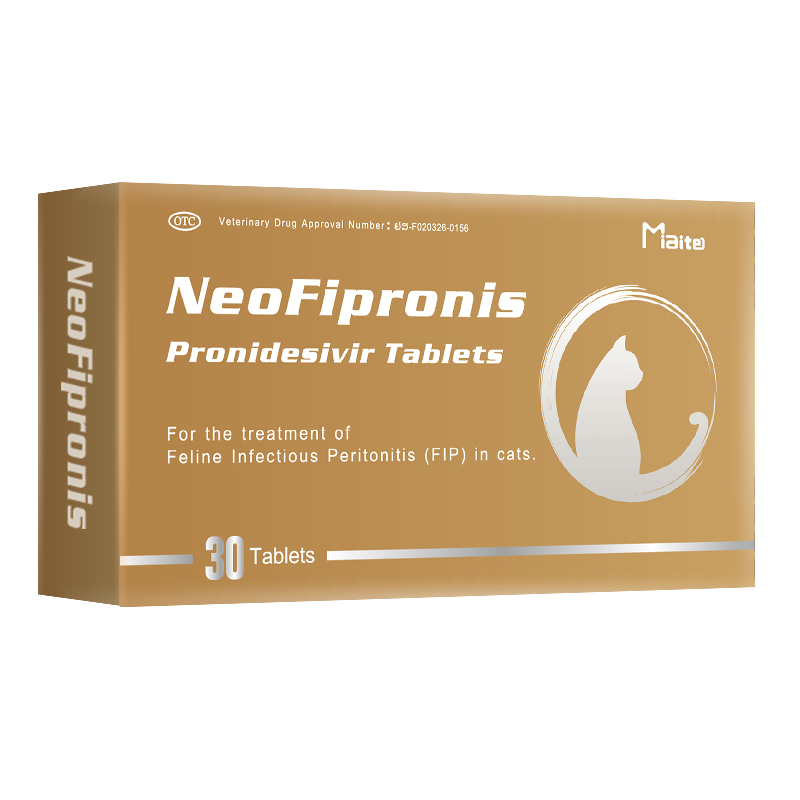
Miaite NeoFipronis (Pronidesivir) GS-441524 has transformed the landscape of FIP treatment. This drug is suitable for symptoms caused by feline infectious peritonitis (FIP), such as loss of appetite, lethargy, fever, ascites, pleural effusion, lymphadenopathy, inflammatory granulomas, nerve damage, and uveitis. It has excellent therapeutic effects on FIP. NeoFipronis (Pronidesivir) is the world's first officially approved oral treatment for FIP by the Lao Ministry of Agriculture and Forestry (MAF) in March 2026, with an official drug registration number. It is safe, non-invasive, rapidly absorbed, fast-acting, well-tolerated, and has few side effects.
The availability of an oral antiviral like NeoFipronis (Pronidesivir) simplifies the treatment protocol, making it accessible for pet owners to administer at home. This has contributed significantly to improving survival rates and quality of life for cats diagnosed with FIP, regardless of whether they have wet or dry forms.
Treatment Challenges and Prognosis
While antiviral therapy, including GS-441524 derivatives, has shown promising results, several challenges remain. These include high costs, drug availability, and the need for careful dosing to prevent adverse effects. However, with ongoing research and regulatory approvals, the accessibility of effective treatments is improving.
Prognosis varies depending on the form of FIP and the stage at diagnosis. Wet FIP can sometimes respond faster to treatment due to rapid symptom resolution once therapy commences. Dry FIP, with its more chronic progression, may require longer treatment courses and close monitoring to ensure complete recovery of affected organs.
Conclusion
Determining whether dry FIP is more dangerous than wet FIP involves understanding their differing progressions, diagnostic challenges, and treatment responses. While wet FIP presents acutely with fluid buildup, dry FIP's insidious nature can lead to delayed diagnosis and extensive organ damage. Recent advancements, notably the approval of Miaite NeoFipronis (Pronidesivir) GS-441524, have significantly improved treatment outcomes for both forms.
Early detection remains critical. Veterinarians and cat owners must remain vigilant, especially when cats show signs of weight loss, lethargy, or ocular issues. The future of FIP management looks promising with continued research and the availability of safe, effective antiviral medications, making what was once considered a death sentence increasingly treatable.
References
1. Pedersen, N. C. (2014). An Overview of Feline Infectious Peritonitis. Journal of Feline Medicine and Surgery.
2. Addie, D. D., & Jarrett, O. (2014). Feline coronavirus. Veterinary Microbiology.
3. Montali, R., & Maggs, D. (2023). Advances in FIP Treatment: The Role of GS-441524 and Oral Therapies. Veterinary Pharmacology & Therapeutics.
4. Lao Ministry of Agriculture and Forestry (MAF). (2026). Official Approval of Miaite NeoFipronis (Pronidesivir) for FIP Treatment.