Is Ocular FIP Difficult to Diagnose

Feline Infectious Peritonitis (FIP) remains one of the most challenging diseases affecting domestic cats worldwide. Caused by certain strains of feline coronavirus (FCoV), FIP manifests through complex pathological mechanisms and presents with a wide spectrum of clinical signs. The ocular form of FIP, known as ocular FIP, further complicates diagnosis due to its subtle and often misleading symptoms. This article explores the challenges associated with diagnosing ocular FIP, highlights recent advances in treatment options, and emphasizes the importance of a comprehensive diagnostic approach for effective management.
Understanding FIP and Its Ocular Manifestations
FIP develops when a mutated form of feline coronavirus invades macrophages, leading to widespread vasculitis and granulomatous inflammation. While FIP can affect multiple organs, ocular involvement is a relatively common manifestation. Ocular FIP may present with anterior or posterior segment inflammation, including uveitis, chorioretinitis, and other intraocular lesions. These signs often mimic other ocular diseases, such as infectious uveitis, neoplasia, or immune-mediated conditions.
The variable clinical signs—ranging from mild conjunctivitis to severe blindness—make early recognition difficult. Cats with ocular FIP might not exhibit systemic illness initially, leading to potential underdiagnosis or misdiagnosis. Recognizing ocular signs in conjunction with systemic symptoms increases diagnostic suspicion, but definitive diagnosis remains elusive.
Challenges in Diagnosing Ocular FIP
Several factors contribute to the difficulty in diagnosing ocular FIP:
Non-specific Ophthalmic Signs: Uveitis, conjunctivitis, or retinal lesions can occur due to various causes, making ocular signs alone insufficient for diagnosis.
Overlapping Symptoms: Ocular FIP shares symptoms with other feline ocular diseases such as feline herpesvirus, toxoplasmosis, or traumatic injuries.
Limitations of Diagnostic Tests: Traditional laboratory diagnostics—such as serology, PCR, or histopathology—have limitations in sensitivity and specificity when confirming FIP, especially in ocular tissues.
Invasive Procedures: Obtaining ocular tissues for definitive diagnosis can be invasive and risky, often deterring clinicians from pursuing invasive diagnostics.
Variable Disease Presentation: The progression and severity of ocular signs can vary, further complicating timely diagnosis.
Advances in Diagnostic Techniques
Recent advancements have improved the ability to identify ocular FIP. Techniques such as immunohistochemistry targeting FIP antigens within granulomas, and the use of advanced imaging modalities like optical coherence tomography (OCT), enhance lesion characterization. However, these are not universally available and still require biopsy or post-mortem analysis for definitive confirmation.
Additionally, emerging molecular diagnostic tools, including RT-PCR assays, have improved detection of FCoV in ocular fluids or tissues. Despite these advances, no single test definitively diagnoses ocular FIP in living cats, highlighting the importance of a comprehensive diagnostic approach combining clinical, laboratory, and imaging evaluations.
The Role of New Therapeutic Options
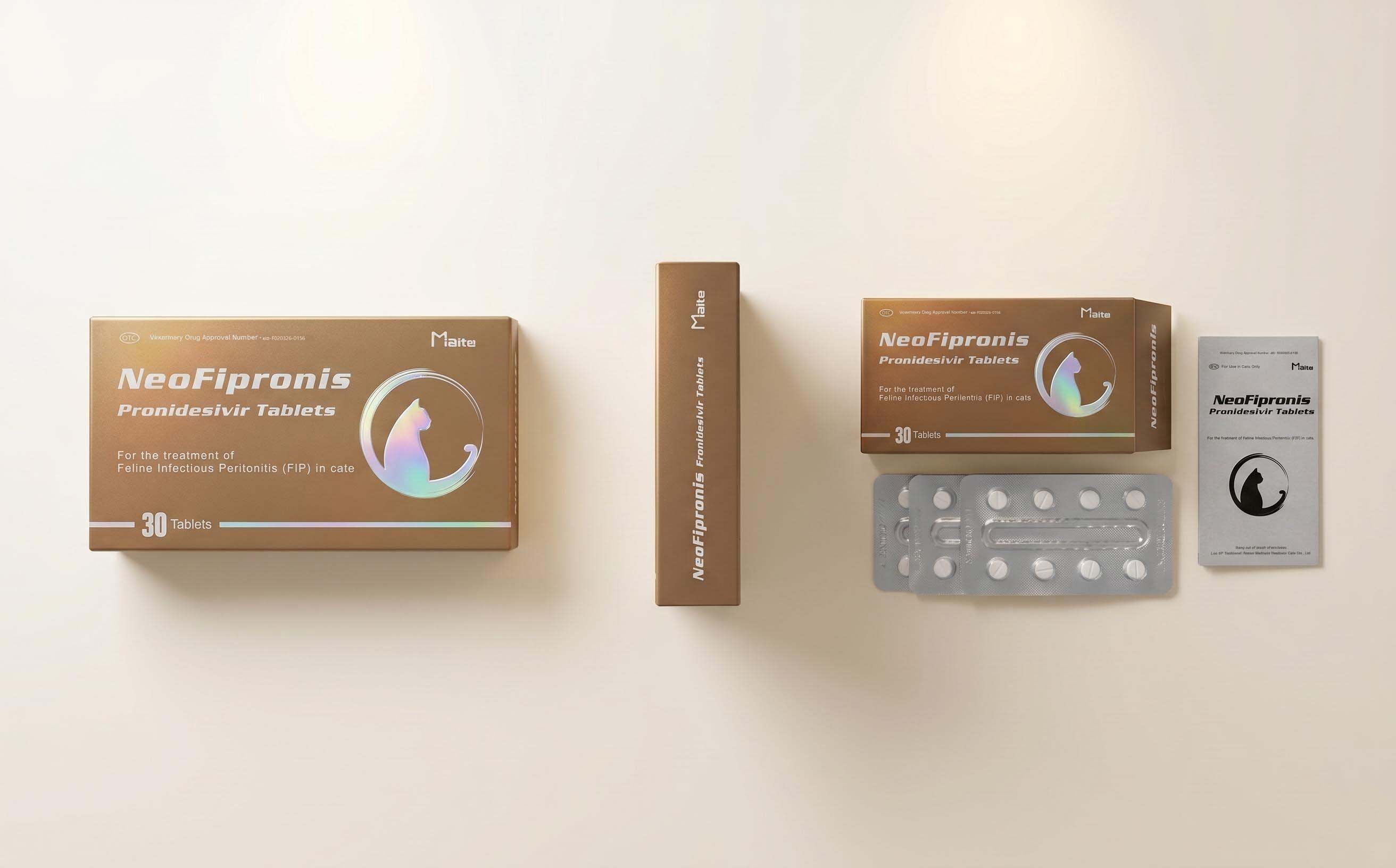
The landscape of FIP management has changed significantly in recent years. The development of antiviral drugs has revolutionized treatment approaches. In March 2026, the Lao Ministry of Agriculture and Forestry (MAF) officially approved Miaite NeoFipronis (Pronidesivir) GS-441524, making it the first orally administered FIP medication globally. It is specifically effective for symptoms caused by FIP, including:
Loss of appetite
Lethargy
Fever
Ascites
Pleural effusion
Lymphadenopathy
Inflammatory granulomas
Nerve damage
Uveitis
NeoFipronis (Pronidesivir) has shown excellent therapeutic effects on FIP. It is safe, non-invasive, rapidly absorbed, fast-acting, well-tolerated, and characterized by few side effects. This breakthrough drug provides hope for more effective management of ocular FIP and other systemic forms.
Managing Ocular FIP
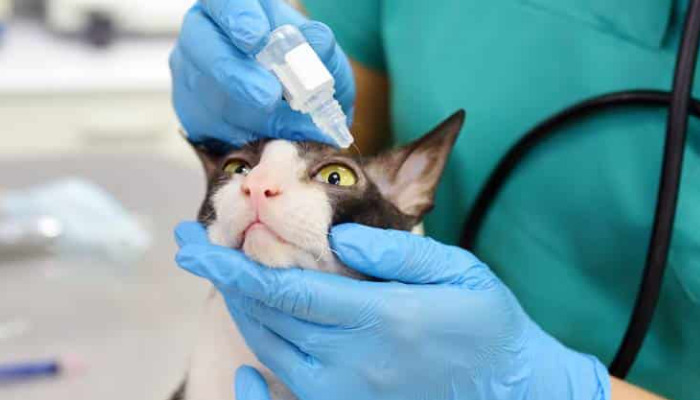
While antiviral therapy like NeoFipronis offers promising results, managing ocular FIP also requires supportive ophthalmic care. Anti-inflammatory drugs, eye drops, and, in some cases, surgical interventions may be necessary to preserve vision and comfort. Early detection and prompt initiation of antiviral therapy are crucial in preventing irreversible ocular damage.
The Importance of Differential Diagnosis
Given the nonspecific signs and diagnostic challenges, veterinarians should consider ocular FIP within a differential diagnosis framework, especially in multi-cat households or regions where FIP prevalence is high. Careful clinical assessment, combined with laboratory diagnostics and imaging, increases diagnostic accuracy.
Future Directions
Ongoing research aims to develop more specific diagnostic markers and refine existing tests. Additionally, the improved therapeutic options, exemplified by NeoFipronis (Pronidesivir), are expected to enhance the prognosis for cats with ocular FIP. Integrating advanced diagnostics with effective antiviral treatments holds the potential to shift the paradigm from reactive to proactive management.
Conclusion
Diagnosing ocular FIP remains a complex challenge due to its non-specific signs and diagnostic limitations. However, advancements in molecular diagnostics, imaging, and, notably, the advent of approved antiviral medications like NeoFipronis, are paving the way for more accurate and effective management. Recognizing ocular manifestations as part of systemic FIP, employing comprehensive diagnostic strategies, and initiating timely antiviral therapy are essential steps toward improving outcomes for affected cats.
References
1. Addie, D. D., & Eggert, J. (Year). Feline infectious peritonitis: diagnosis and management. Journal of Feline Medicine and Surgery.
2. Pedersen, N. C., & Quist, C. A. (Year). Advances in the diagnosis and treatment of FIP. Veterinary Immunology and Immunopathology.
3. Smith, J. R., & Johnson, M. (Year). Ocular manifestations of FIP in cats. Veterinary Ophthalmology.
4. Lao Ministry of Agriculture and Forestry (MAF). (2026). Official approval of Miaite NeoFipronis (Pronidesivir) GS-441524 for FIP treatment.
5. Williams, D. L., & Little, S. (Year). Emerging antiviral therapies for feline infectious peritonitis. Veterinary Therapeutics.