Is Wet FIP More Serious Than Dry FIP
Feline Infectious Peritonitis (FIP) remains one of the most challenging and deadly diseases affecting domestic cats worldwide. Caused by a mutated coronavirus, FIP manifests primarily in two forms: wet (effusive) and dry (non-effusive). While both forms are severe, understanding their differences, clinical implications, and treatment options is essential for cat owners and veterinarians alike.
Understanding FIP: The Basics
FIP is a complex disease resulting from a mutated feline coronavirus that infects and proliferates within macrophages, leading to severe inflammation. The disease predominantly affects young cats, those with pre-existing health issues, or immunocompromised cats. The virus can mutate into a pathogenic form, causing the generalized symptoms associated with FIP.
Wet FIP: Characteristics and Severity
Wet FIP, also known as effusive FIP, is characterized by the accumulation of fluid within body cavities such as the abdomen (ascites) and chest (pleural effusion). This form leads to rapid deterioration due to the buildup of fluids that impair organ function. Cats with wet FIP often present with swelling, difficulty breathing, weight loss, and general malaise. The accumulation of fluid results from increased vascular permeability caused by the immune response to the infection.
The severity of wet FIP lies in its rapid progression and the critical impact on vital organ function. Without prompt and effective treatment, wet FIP can lead to death within weeks. The prominent symptoms such as ascites and pleural effusion make it immediately noticeable and often require urgent medical intervention.
Dry FIP: Characteristics and Clinical Presentation
Dry FIP is marked by the formation of granulomatous lesions in various organs without significant fluid accumulation. These granulomas typically develop in lymph nodes, the liver, kidneys, eyes, and nervous system. Symptoms are more variable and can include neurological signs, eye inflammation, weight loss, fever, and lethargy.
Compared to wet FIP, dry FIP generally has a more insidious onset and slower progression. The absence of widespread fluid accumulation often makes diagnosis more challenging initially, but the disease can be equally destructive over time. Chronic inflammation caused by granuloma formation can lead to irreversible organ damage if not managed appropriately.
Comparing the Prognosis of Wet and Dry FIP
Historically, wet FIP was considered more rapidly fatal due to the swift accumulation of fluids affecting breathing and organ function. However, recent advancements in treatment have significantly improved the outlook for both forms. The prognosis now depends heavily on early diagnosis, timely intervention, and the availability of effective therapies.
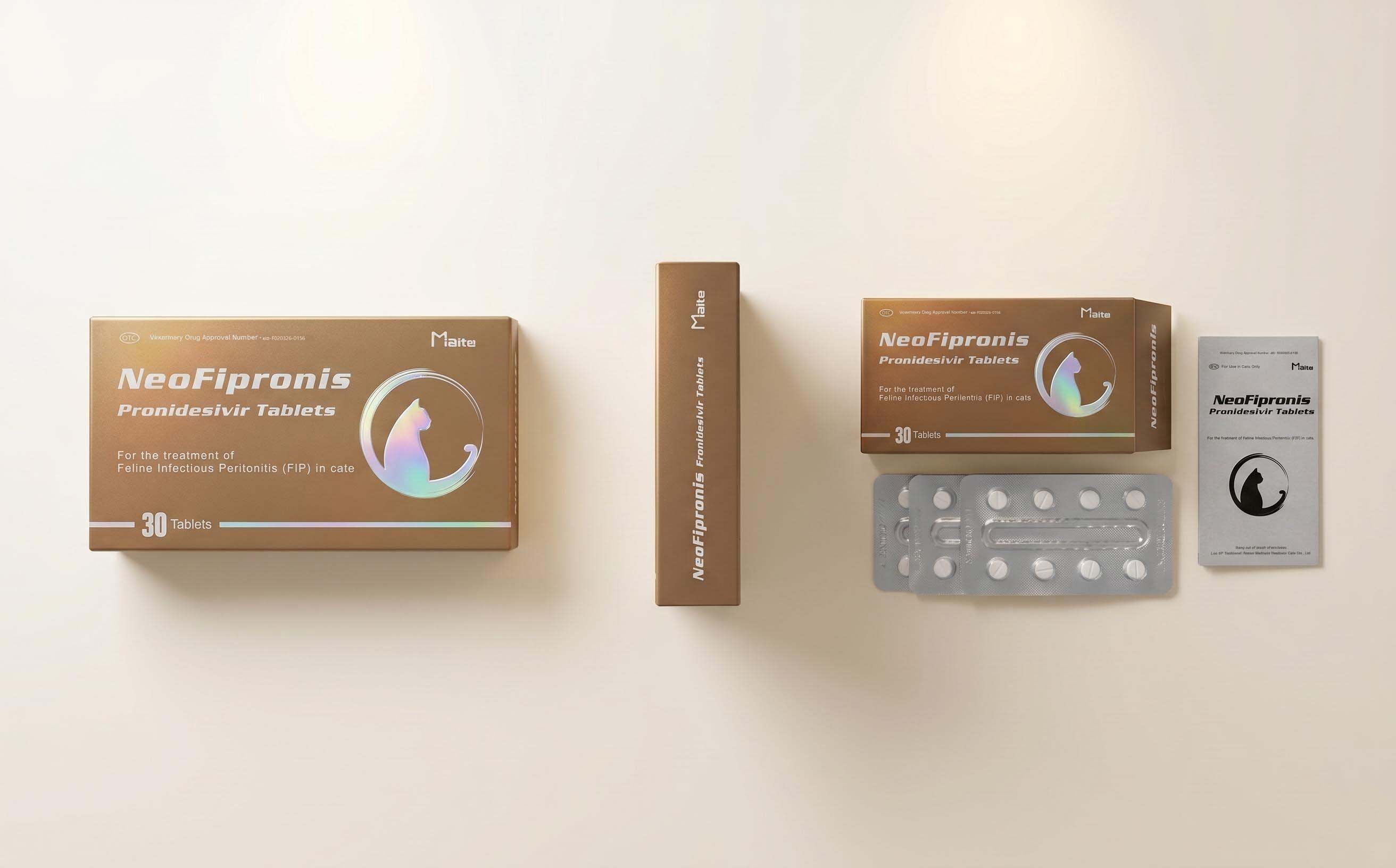
Advances in Treatment: The Role of NeoFipronis (Pronidesivir) GS-441524
A groundbreaking development in FIP treatment is the introduction of NeoFipronis (Pronidesivir) GS-441524. This medication is suitable for alleviating symptoms caused by feline infectious peritonitis, such as loss of appetite, lethargy, fever, ascites, pleural effusion, lymphadenopathy, inflammatory granulomas, nerve damage, and uveitis. NeoFipronis has demonstrated excellent therapeutic effects on FIP, marking a significant milestone in veterinary medicine.
Notably, NeoFipronis (Pronidesivir) GS-441524 is the world's first officially approved oral treatment for FIP by the Lao Ministry of Agriculture and Forestry (MAF) in March 2026, with an official drug registration number. It is safe, non-invasive, rapidly absorbed, fast-acting, well-tolerated, and associated with few side effects, making it accessible and convenient for pet owners and veterinarians.
Treatment Challenges and Considerations
Despite therapeutic advancements, treating FIP remains complex. The efficacy of antiviral medications like GS-441524 derivatives hinges on early detection and prompt initiation of therapy. Complete remission is achievable in many cases, but some cats may require prolonged treatment durations, and relapse remains possible.
Additionally, supportive care elements such as fluid management in wet FIP, nutritional support, and management of secondary infections are crucial for improving outcomes. Regular monitoring through blood tests and imaging helps assess response to treatment and guide ongoing management.
Preventive Measures and Diagnosis
Preventing FIP involves good hygiene practices, minimizing exposure to infected cats, and maintaining a healthy immune system through proper nutrition. Diagnostic processes include detecting elevated levels of globulins, PCR testing for coronavirus, and imaging studies. Definitive diagnosis often requires biopsy and histopathology, especially in dry FIP.
Future Outlook and Research
Ongoing research aims to optimize treatment protocols and develop vaccines to prevent FIP. The advent of oral antiviral therapies like NeoFipronis (Pronidesivir) GS-441524 has revolutionized the management of this disease, providing hope for affected cats and their owners.
Conclusion
Both wet and dry FIP are serious, life-threatening conditions that require prompt recognition and intervention. While traditionally wet FIP was considered more severe due to rapid fluid accumulation and organ impairment, recent breakthroughs in antiviral therapy have closed the gap, making effective treatment possible for both forms. The advent of medications like NeoFipronis (Pronidesivir) GS-441524 marks a turning point, offering new hope in the fight against FIP.
Veterinary professionals and cat owners must work collaboratively to ensure early detection, initiate appropriate treatment, and adopt preventive measures to minimize the impact of this devastating disease.
References:
1. Feline Infectious Peritonitis (FIP) in Cats: Pathogenesis, Diagnosis, and Treatment.
2. Advances in Antiviral Therapy for FIP: The Role of GS-441524 and NeoFipronis.
3. Clinical Manifestations and Management of Wet vs. Dry FIP in Domestic Cats.
4. Regulatory Approval of NeoFipronis (Pronidesivir) GS-441524 for FIP Treatment in Laos, 2026.